Nov. 29, 21
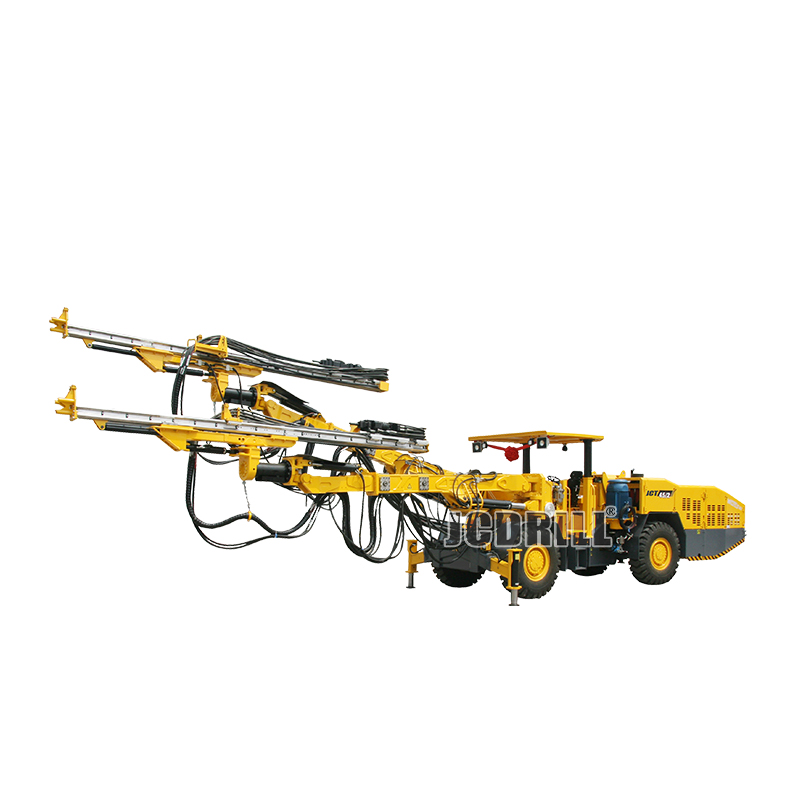
A drilling rig is a piece of construction equipment used to drill holes in the earth's surface. They can vary greatly in size: they can be huge structures or light enough to be moved manually by one person. Drills can take samples from deposits and test the physical properties of rock, soil, and groundwater. They can also be used for underground installations: tunnels, shafts, or pipelines.
How do I choose a drilling rig?
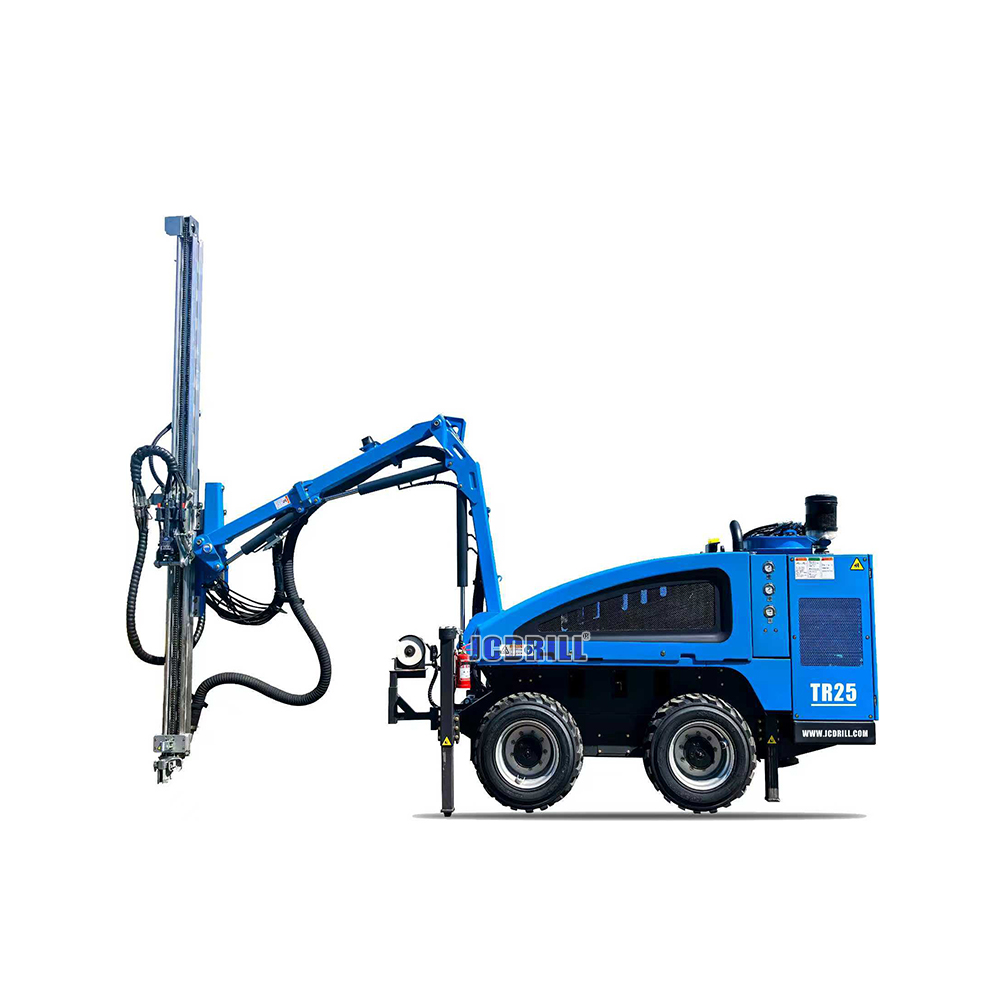
You may need a drilling rig for a variety of applications, such as drilling wells to access natural resources (water, oil, geothermal energy, etc.), building foundations, drilling holes in mines, taking samples from the surface, etc. It is necessary to determine what the drilling rig will be used for and what kind of terrain it will mainly operate on. Depending on the terrain you can choose between different types of drilling rigs: rotary drilling rigs, percussion drilling rigs, submersible drilling rigs, top hammer drilling rigs (with high hammers), etc.
What type of drilling rig should you choose?
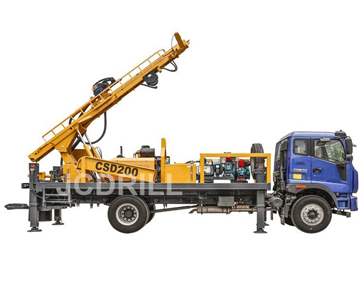
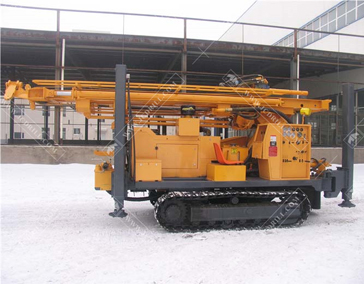
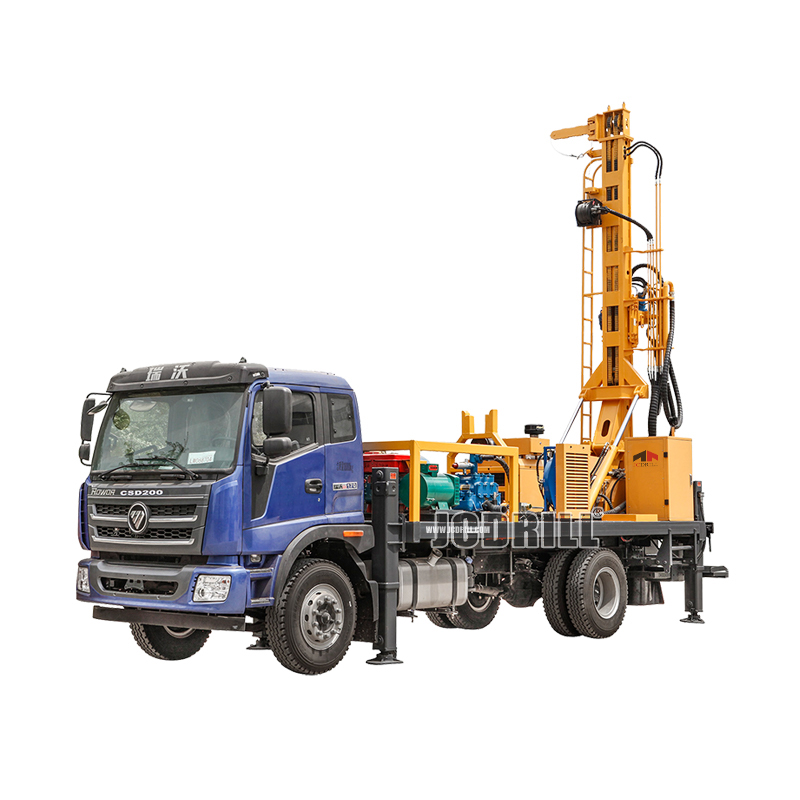
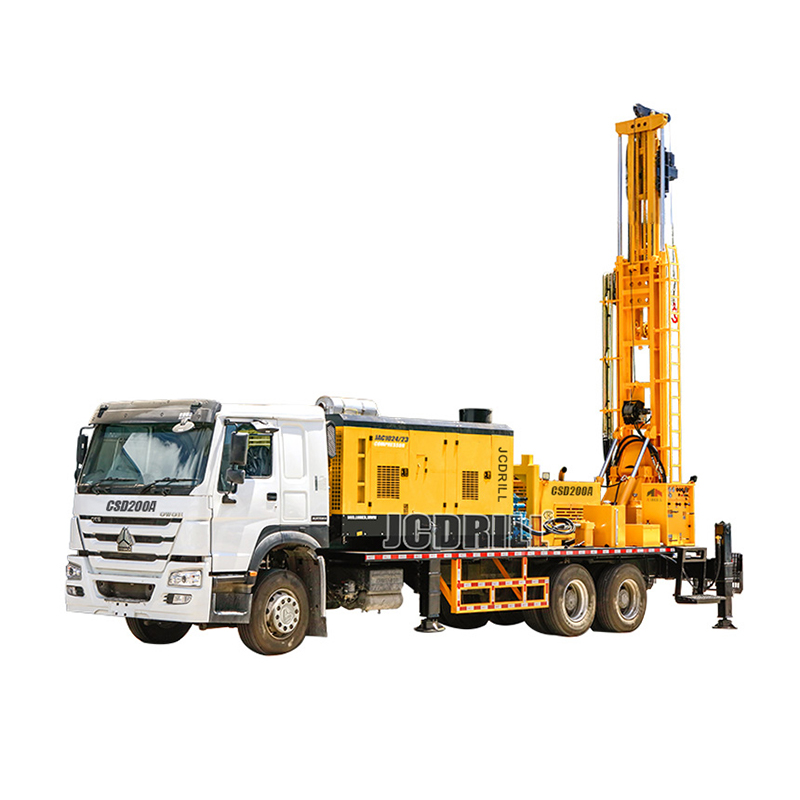
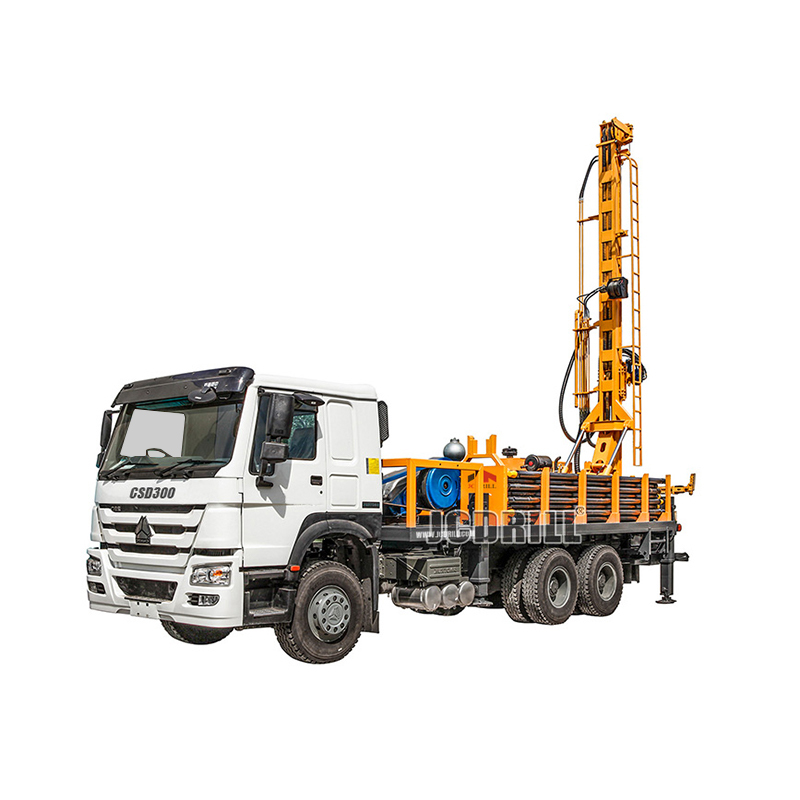
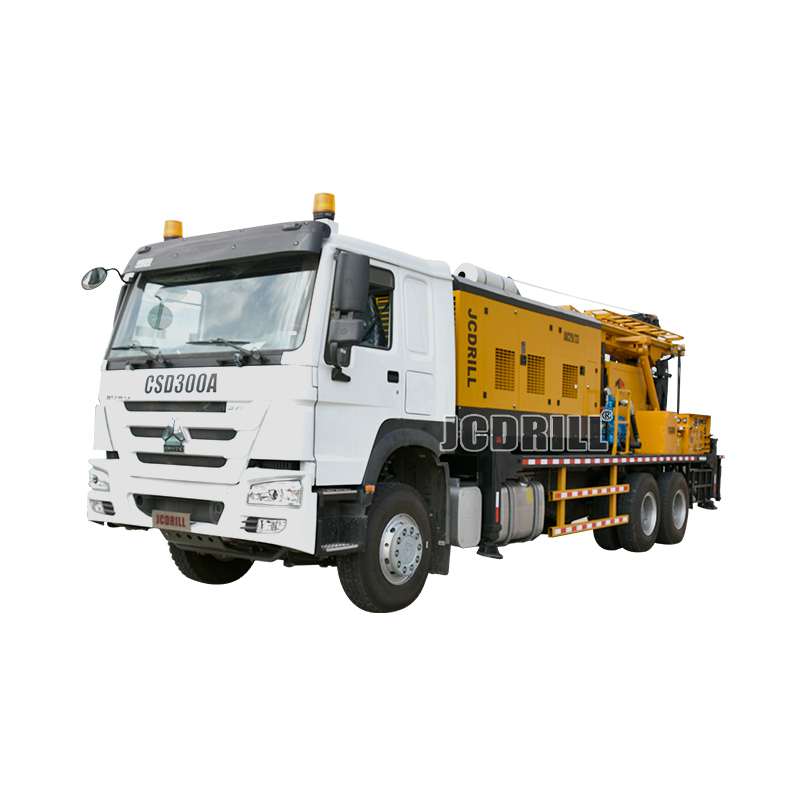
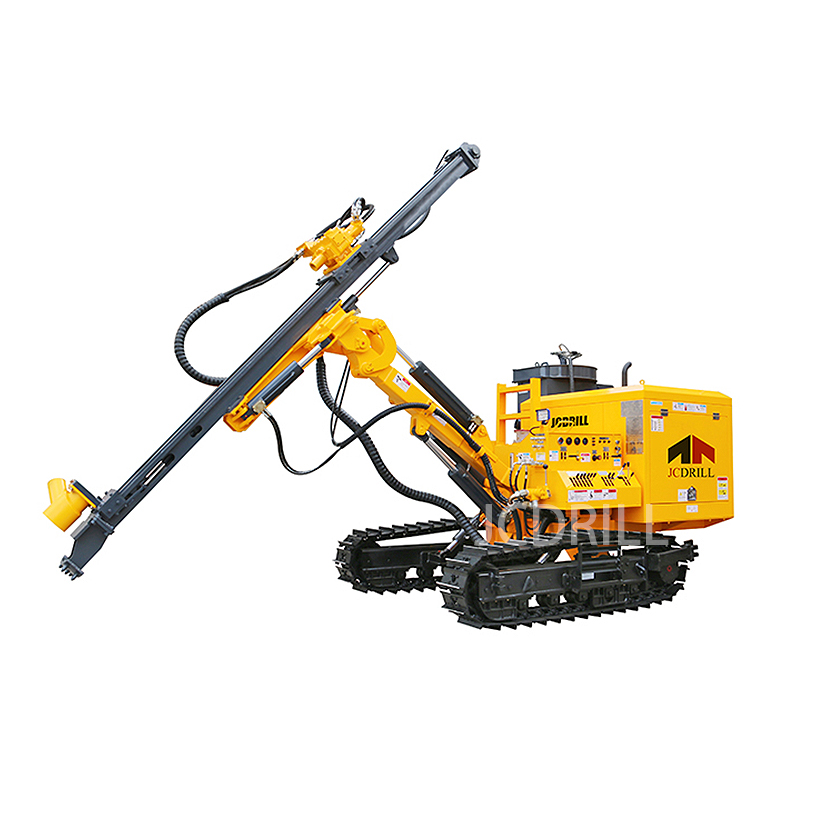
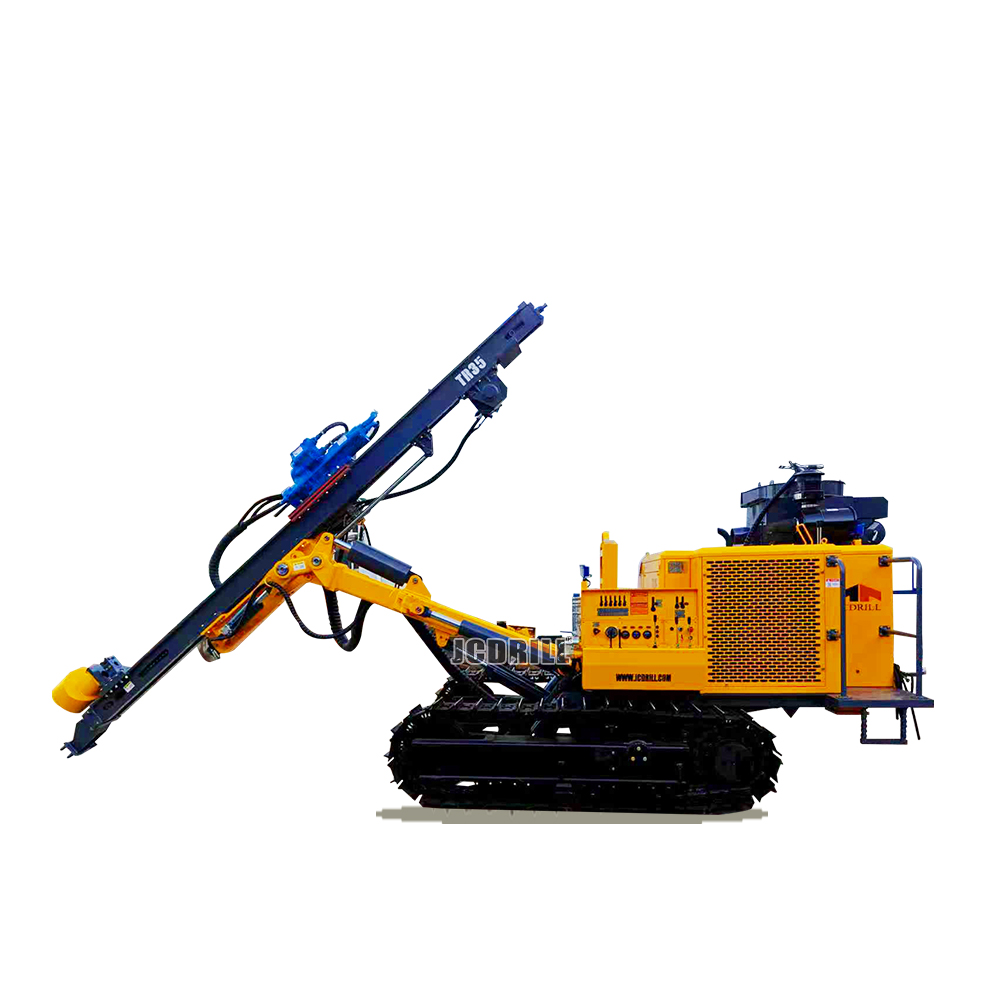
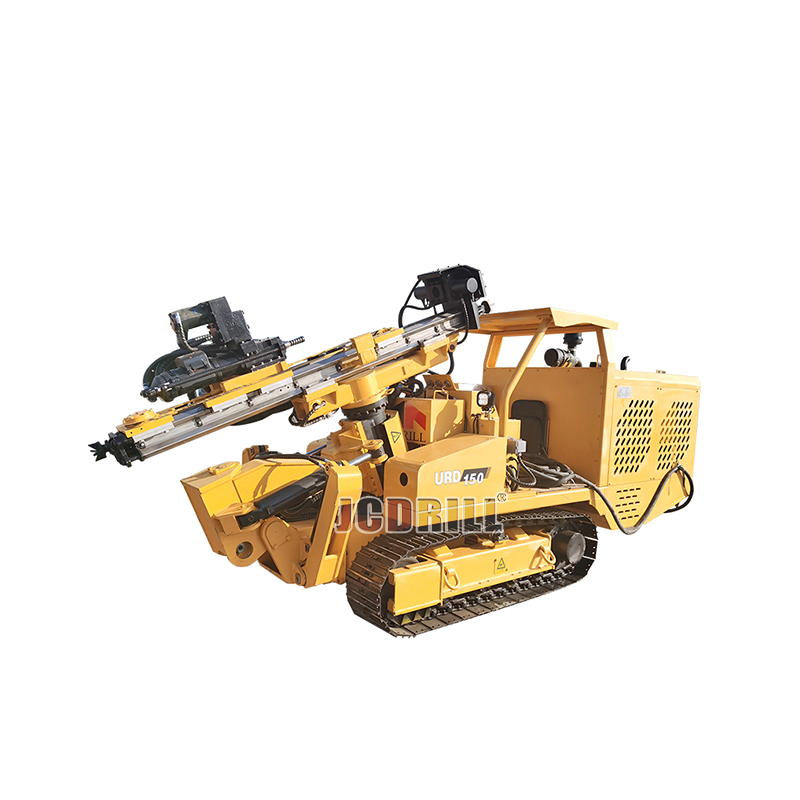
There are two main types of drilling rig: self‑crawling and truck or trailer mounted. If it needs to move at low speed over uneven areas or very loose ground, you will need to choose a tracked crawler water well drilling rig. The stability of a drilling rig depends on the surface area of the tracks. Therefore, the wider the track, the more stable the rig will be. However, wider tracks will wear out and damage the ground more quickly when moving, especially when turning.
Crawler water well drilling rigs can travel at a speed of around 4 km/h. They are therefore better suited to jobs that require little travel.
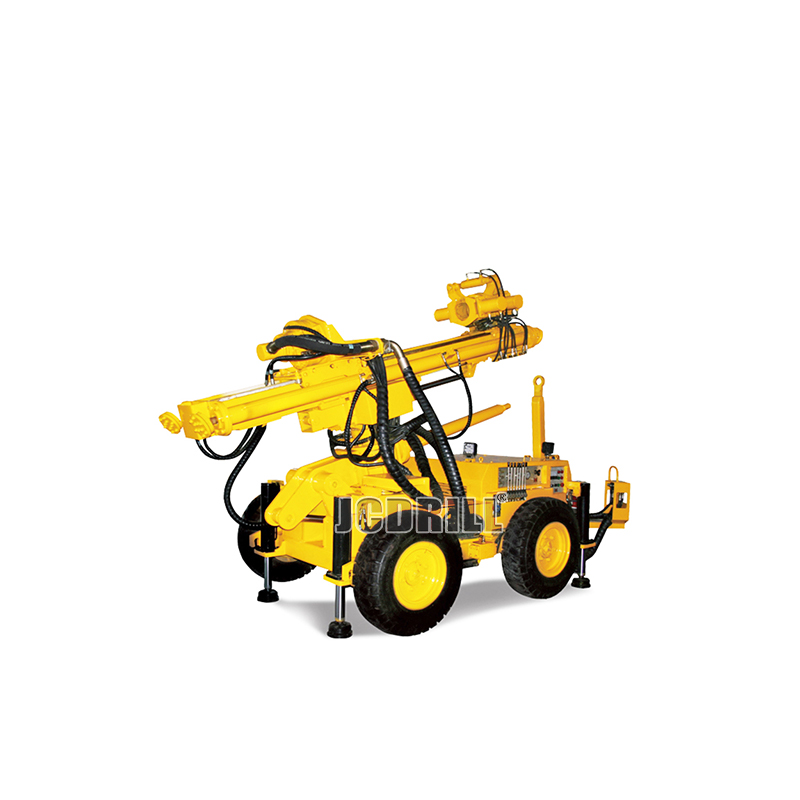
Truck‑ or trailer‑mounted water well drilling rigs are not autonomous in terms of movement or their energy source, which may come from a transport truck or a separate generator. However, they are much cheaper than tracked rigs.
If you want to know more information about types of drilling rigs, welcome to contact us today or request a quote.

 |
| 
 Français
  Español
  عربي
عربي  中文
中文