Apr. 08, 22
Underground diamond drilling is similar to surface drilling, yet several key differences must be taken into account when selecting drilling equipment.
Different objectives
Underground drilling prioritizes production efficiency and penetration speed to avoid slowing down ore‑extraction workflows. Optimized penetration rates are critical. High‑performance coring bits with good rotational speed help achieve faster drilling progress.
Drilling depth
Underground boreholes are usually relatively shallow, for example around 200 meters instead of 1000 meters. This allows drillers to adopt conventional drilling techniques rather than cable‑tool drilling. Coring bits for conventional drilling produce fine cuttings and deliver improved penetration rates.
Low Power Drilling Rigs
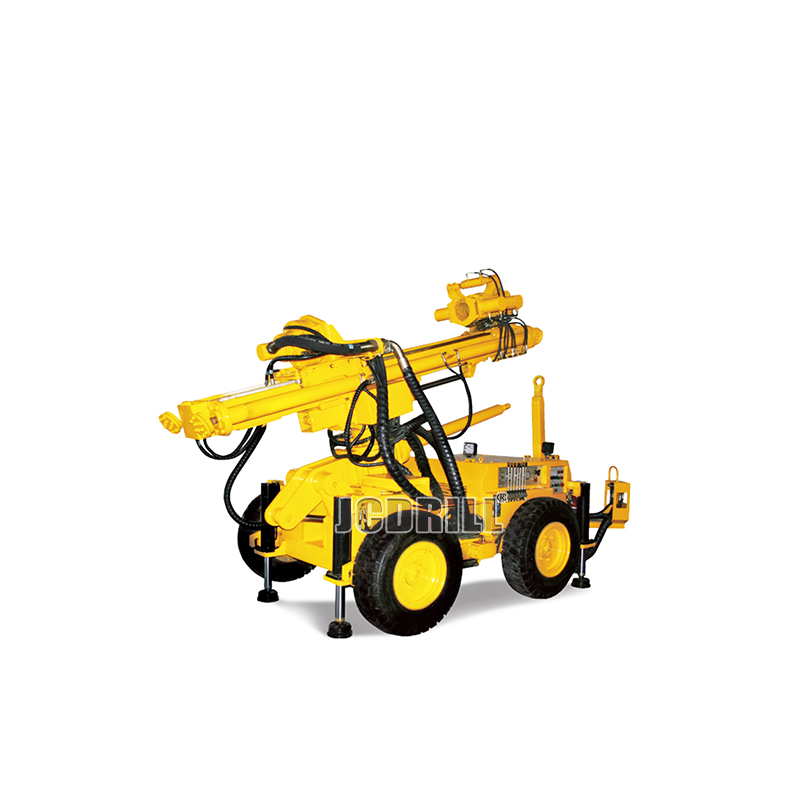
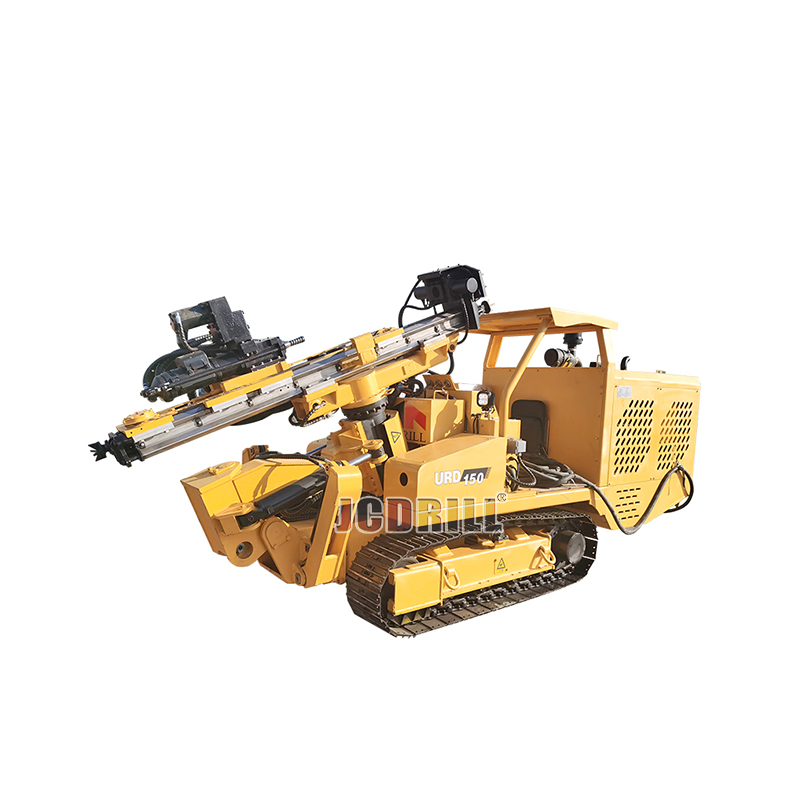
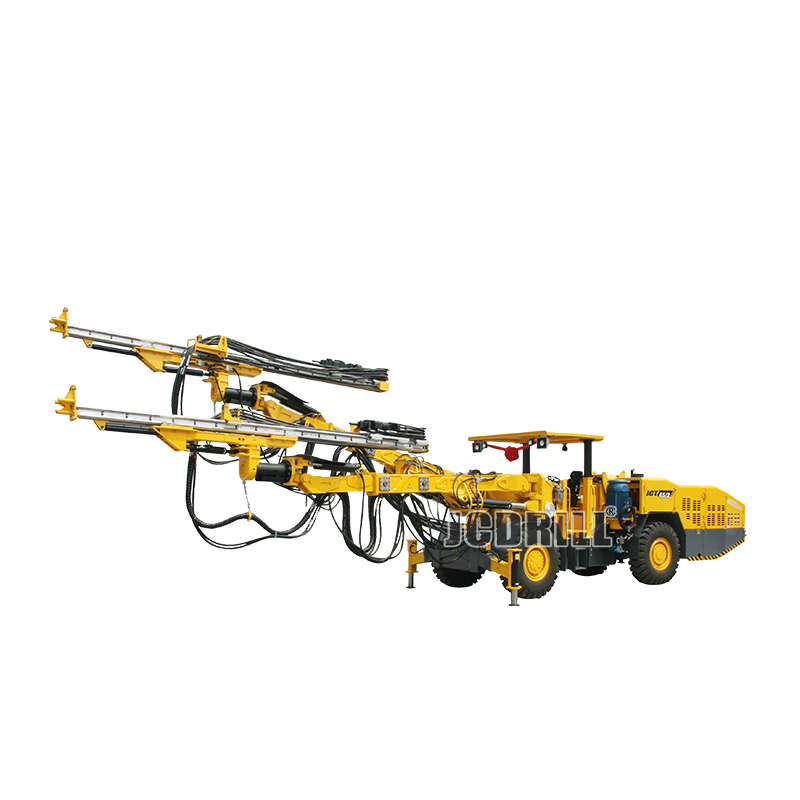
Underground working space is limited, therefore drilling rigs deployed underground tend to be compact and low‑power. When drilling upward with low‑power rigs, coring bits equipped with softer matrices are preferred. As noted above, softer matrices readily expose diamond crystals, maintaining sharp cutting performance and acceptable penetration even under insufficient feed‑pressure output.
Proper drilling‑equipment selection heavily influences overall drilling performance. Formation type is important, yet underground diamond drilling involves additional critical considerations. Our engineering team shares practical underground‑drilling guidance: start underground boreholes with pre‑worn coring bits. Pilot‑hole drilling may damage bit surfaces, so reserve brand‑new bits for formal drilling sections.

Previous: Applications of Drilling Rigs
Next: Things You Need to Know About the Gauges on Your Drill Rig

 |

 Français
 Español
 عربي
 中文