Jan. 13, 26
Grade Control (GC) drilling, usually carried out by dedicated GC drilling rigs, is an indispensable procedure in modern mining. It plays a core role in optimizing ore extraction and guaranteeing the economic returns of mining projects. This article introduces GC drilling rigs, the workflow of grade control drilling, and its vital value to the mining sector.
The Role of GC Rigs
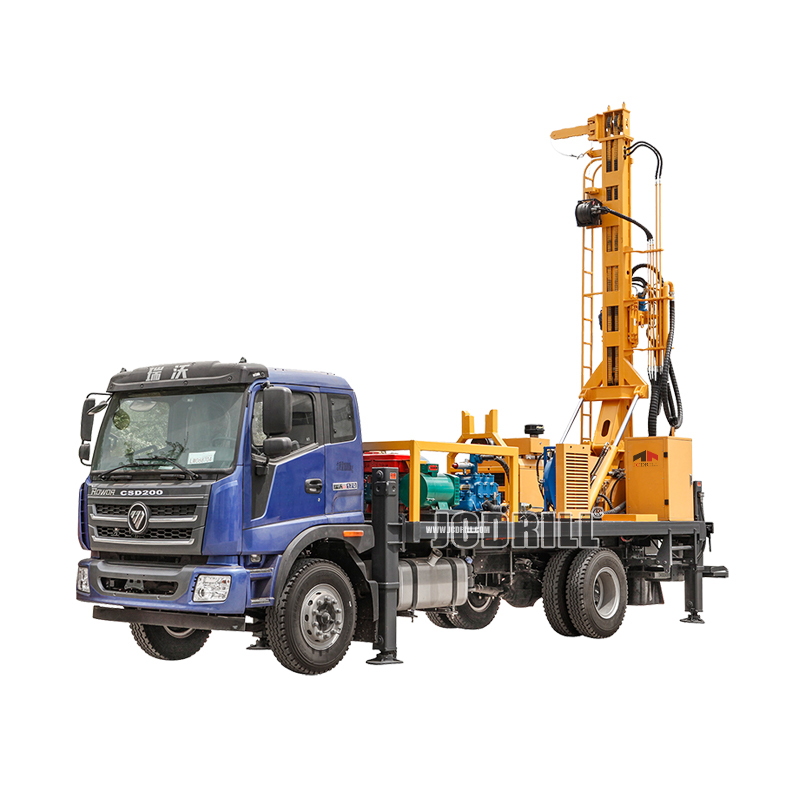
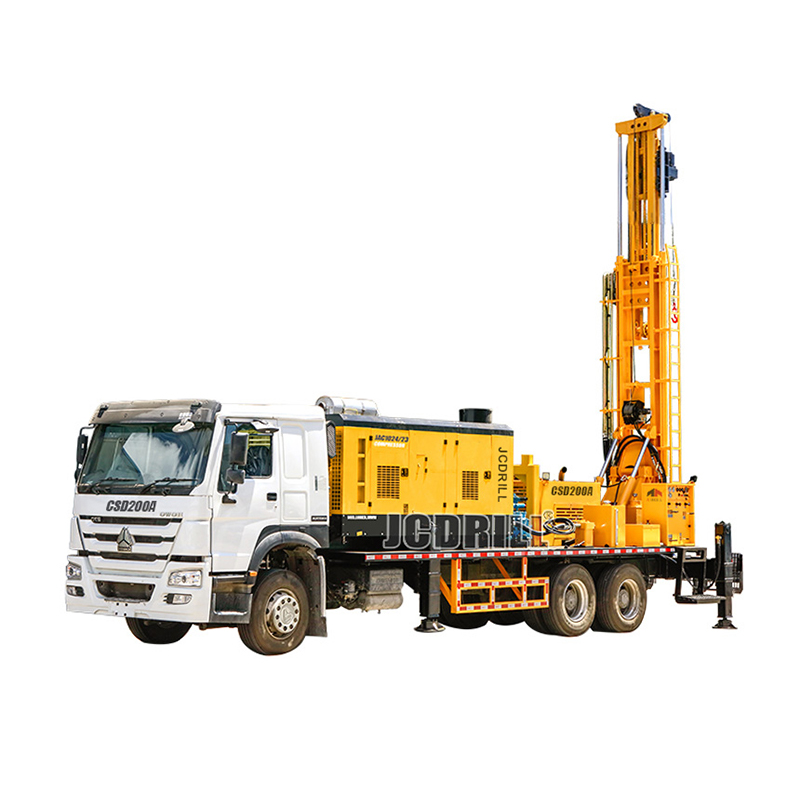
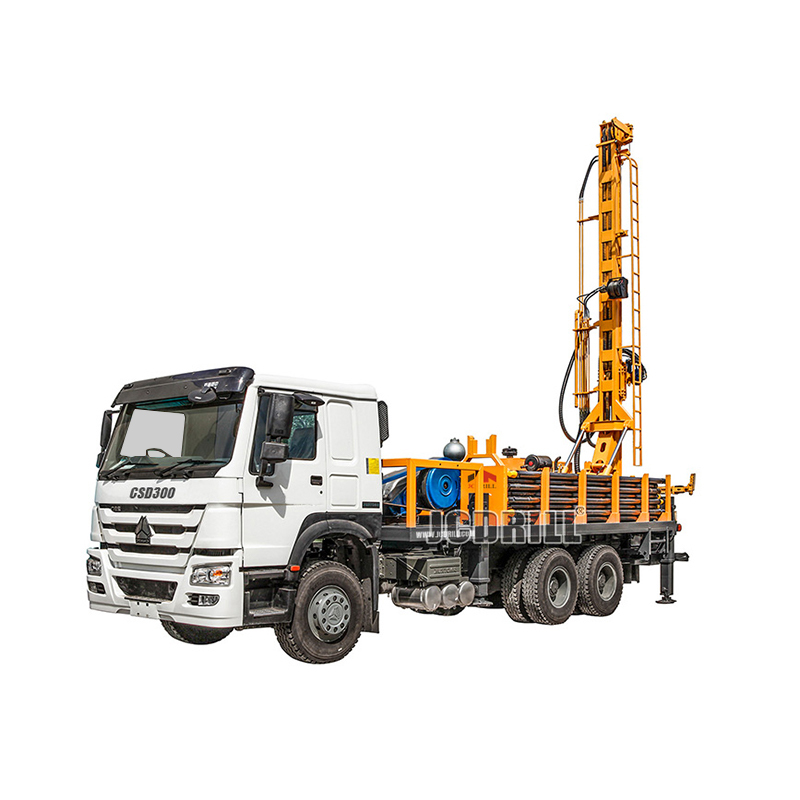
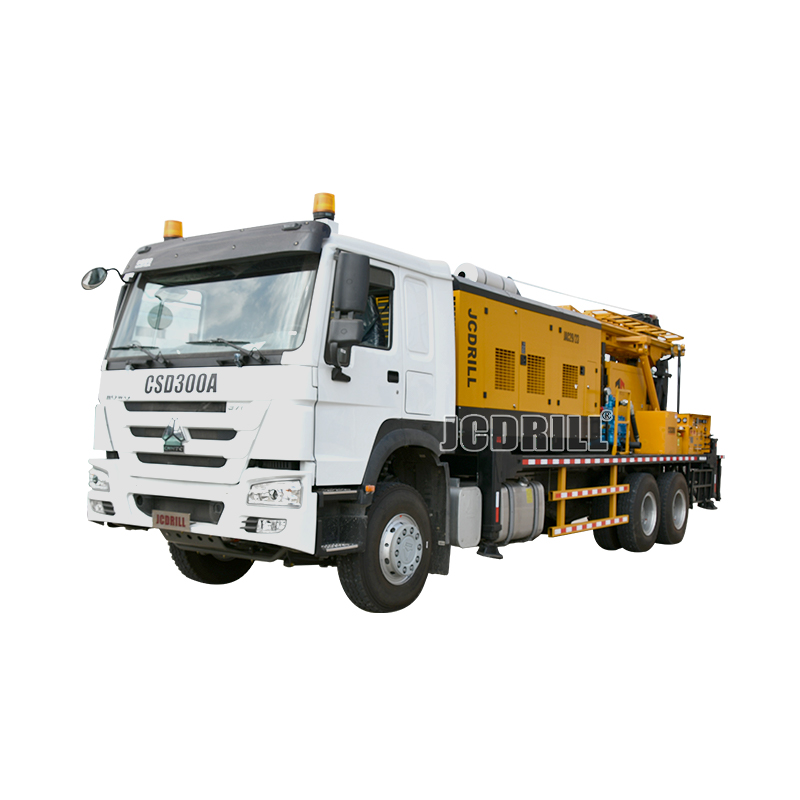
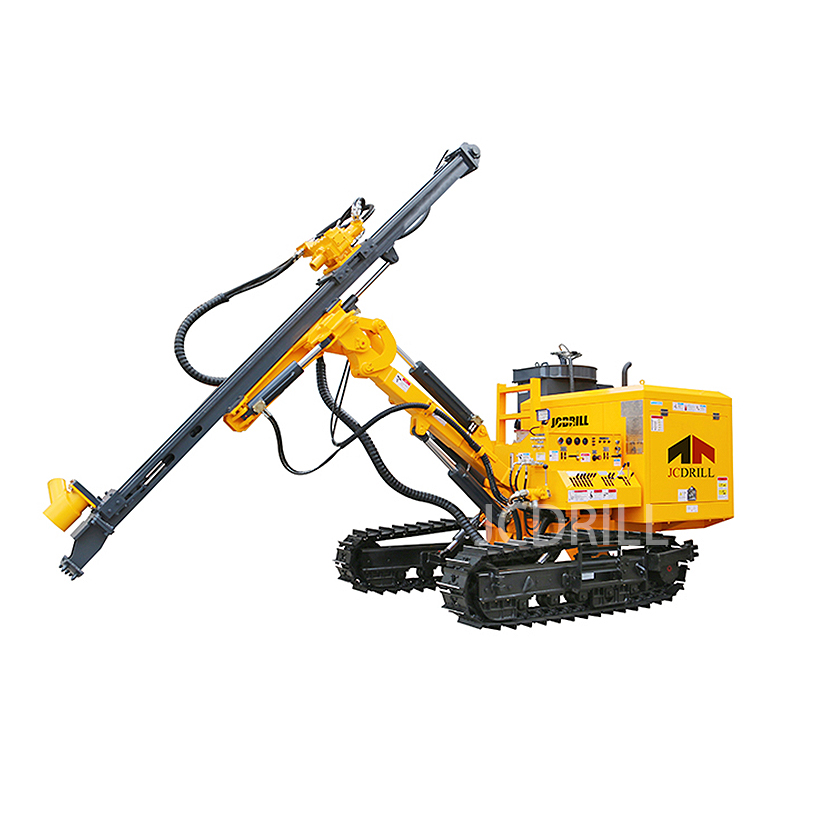
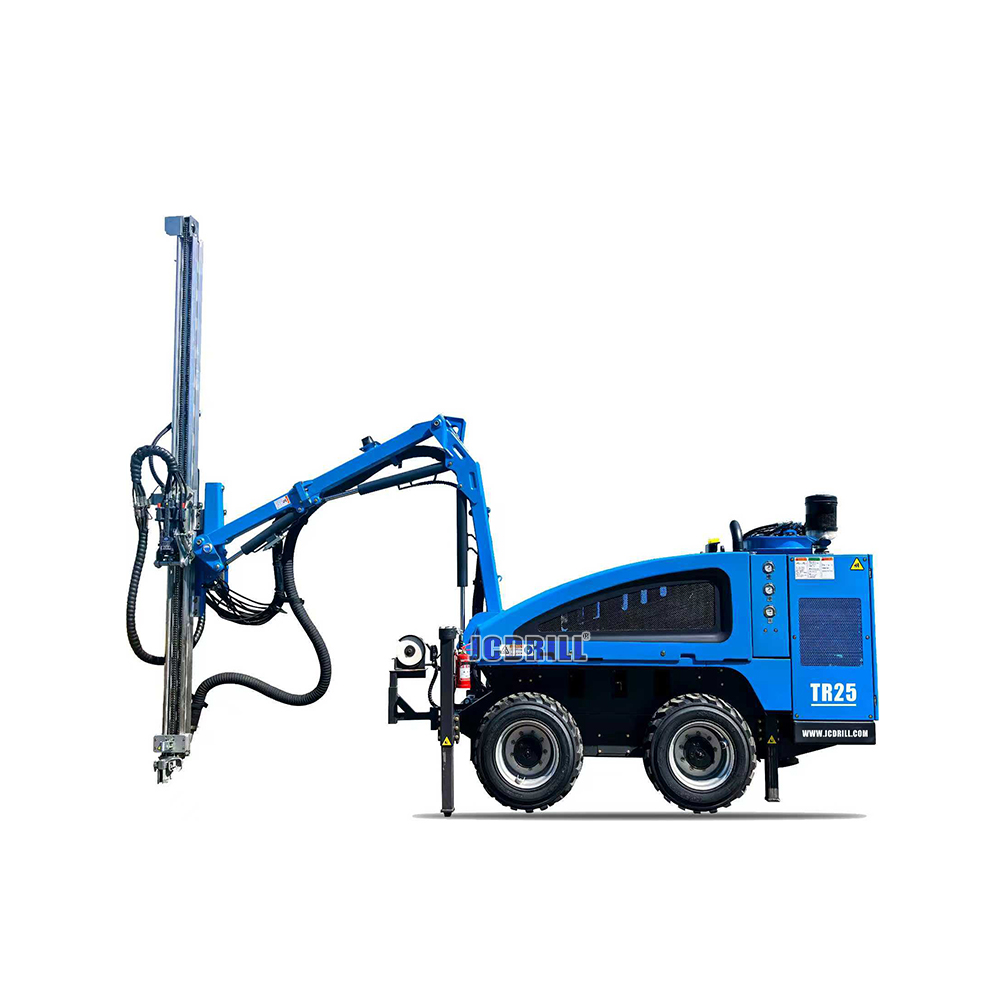
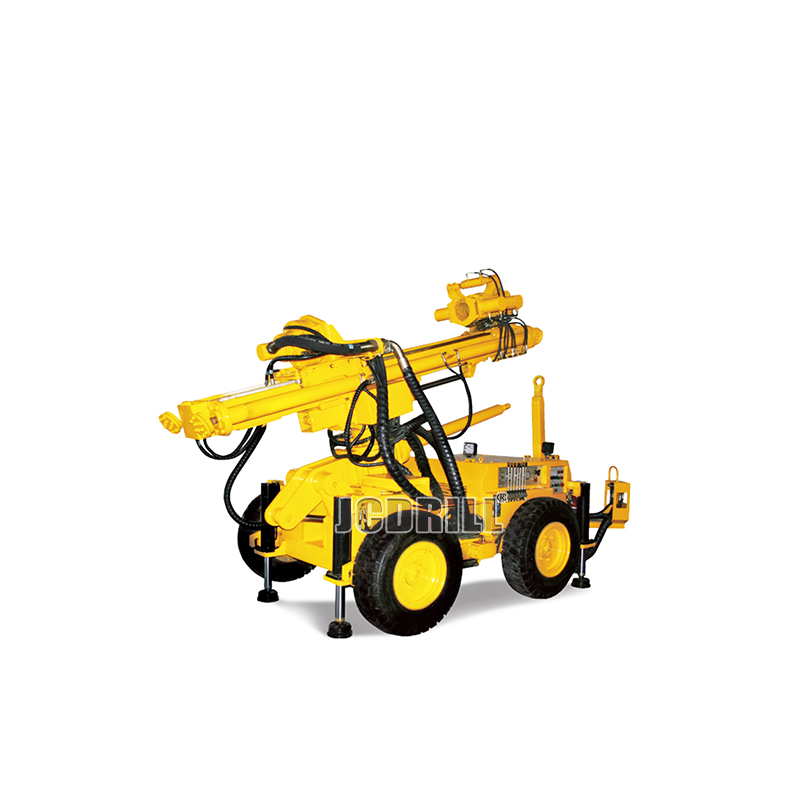
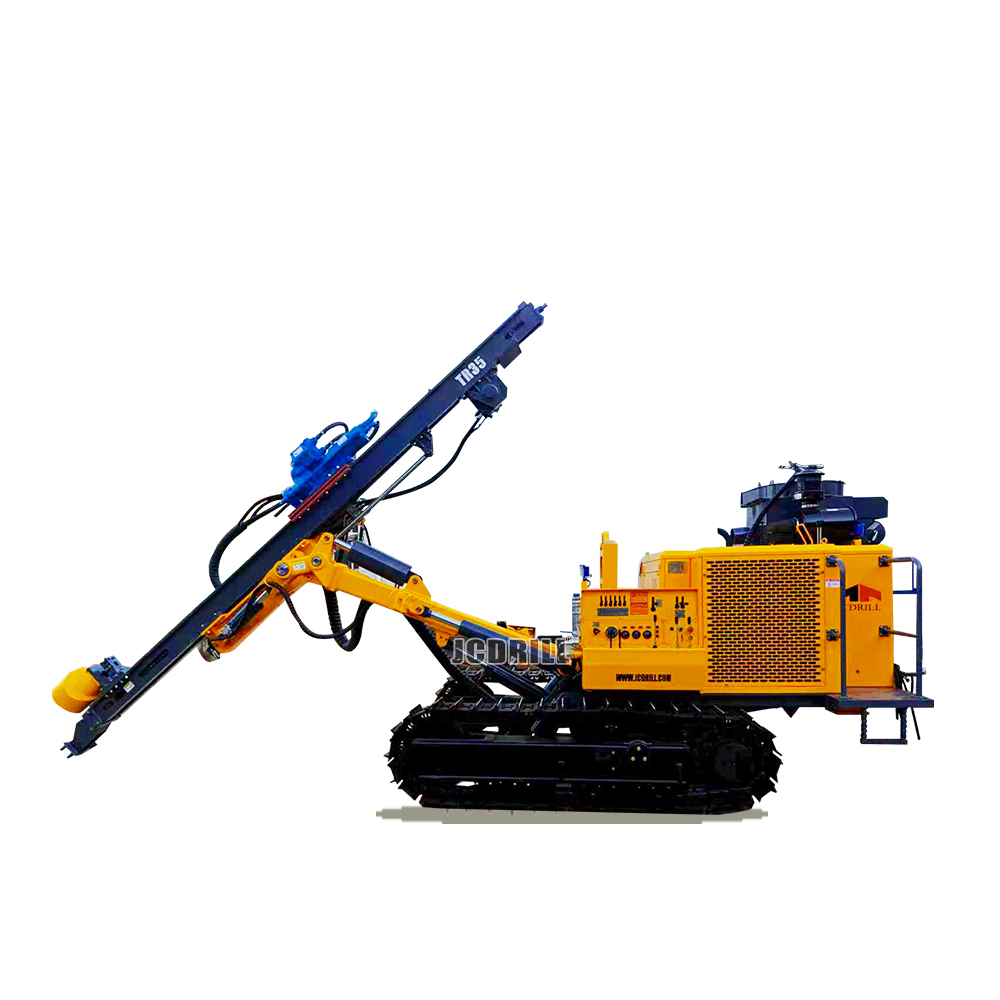
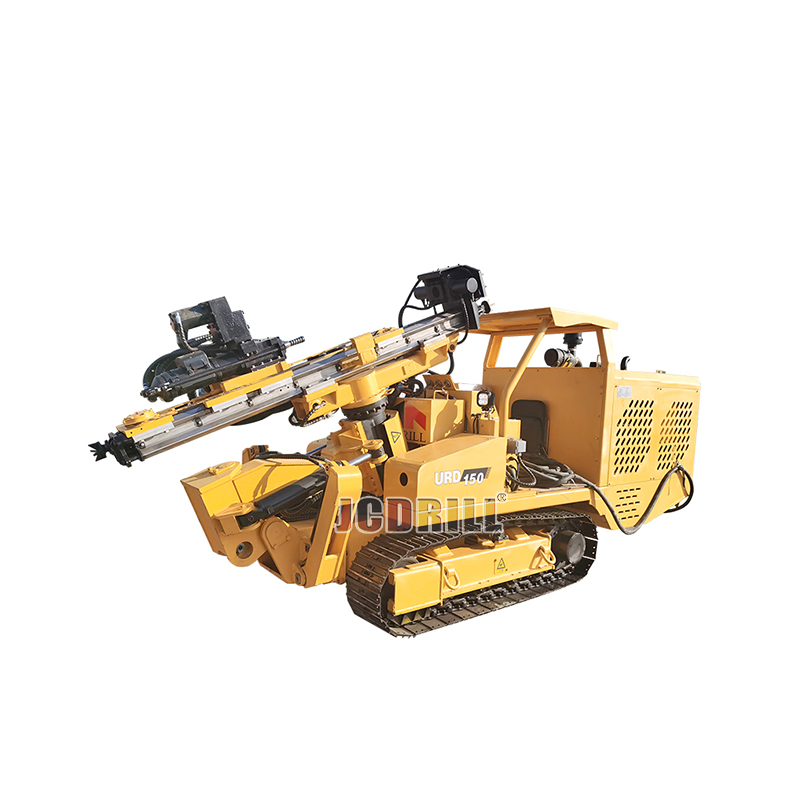
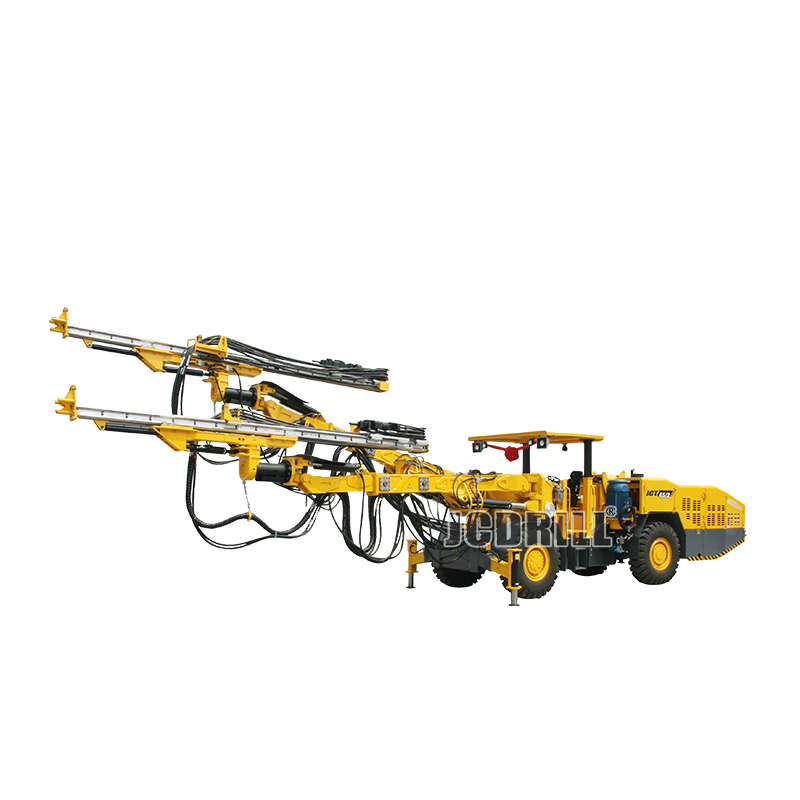
GC rigs are professional drilling machines specially developed for grade control tasks. They feature high mobility and can drill a large number of dense sampling holes inside ore zones. These rigs are designed to retrieve accurate, intact rock samples, which are the foundation of reliable grade testing.
Most GC drilling rigs adopt Reverse Circulation (RC) drilling technology. RC drilling stands out for high efficiency and can deliver dry, contamination-free rock cuttings, a key advantage for precise ore grade analysis.
Benefits of Grade Control Drilling
Enterprises can gain multiple long-term advantages from grade control drilling:
Optimized Ore Recovery: Clear separation of ore and waste rock reduces ore dilution and improves the recovery rate of valuable minerals.
Lower Processing Costs: High-grade ores are sorted out before crushing and processing, cutting the total volume of raw materials to be treated and slashing production expenses.
Scientific Mine Planning: Accurate grade data enables better planning of blasting, transportation and mineral processing workflows.
Higher Overall Profit: More ore output plus lower operation costs jointly lift the comprehensive profitability of mining projects.
Greener Mining: Precise targeted extraction minimizes unnecessary rock excavation and lowers the overall environmental impact of mining activities.
Conclusion
GC rigs and grade control drilling technology have become indispensable infrastructure for modern mining. They deliver precise geological data to support rational decision-making, streamline site operations, and realize sustainable, profitable mineral exploitation. As the mining industry pursues higher efficiency, lower costs and eco-friendly development, accurate grade control drilling will grow increasingly important.

 |

 Français
 Español
 عربي
 中文