Jun. 21, 22
Price
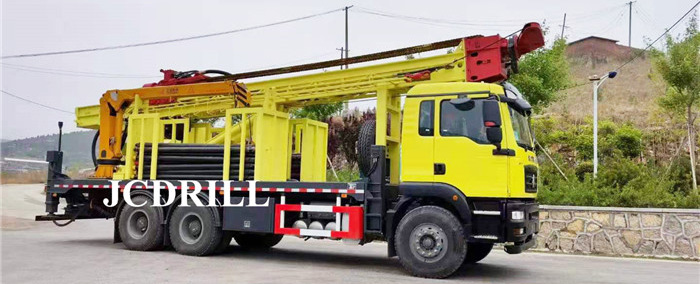
Equipment price is a core one-time investment factor when picking a suitable drilling rig. The purchase cost rises with larger borehole diameter and deeper drilling capacity.
In terms of drilling types: DTH hammer submersible rigs cost more than core drilling rigs; hydraulic rigs are higher priced than mechanical vertical spindle rigs.
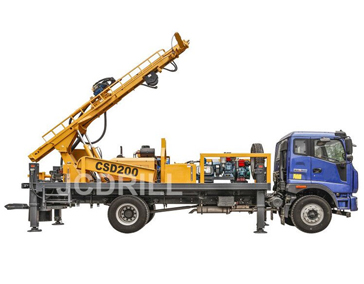
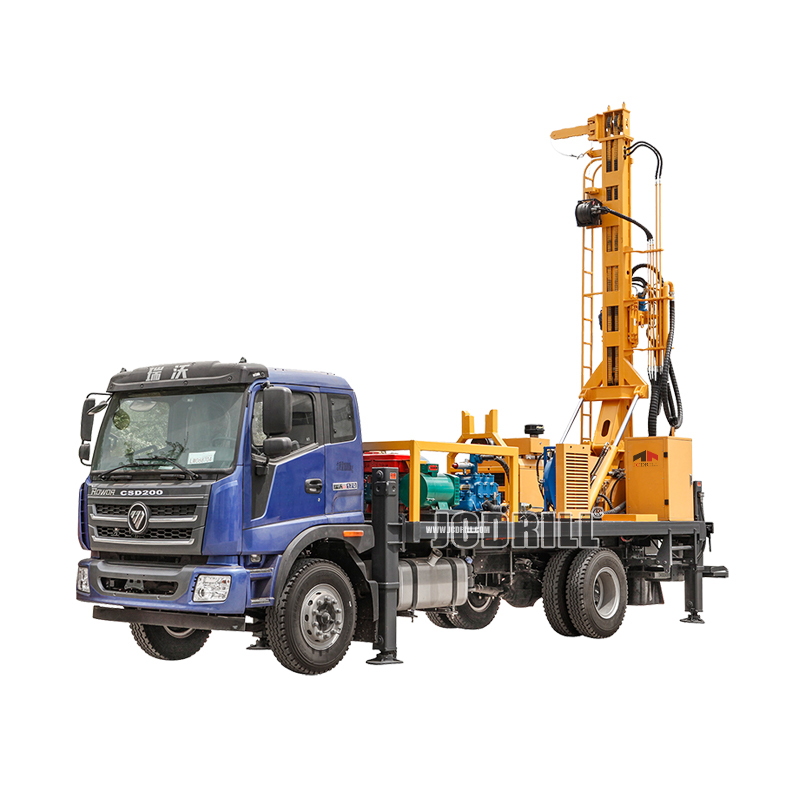
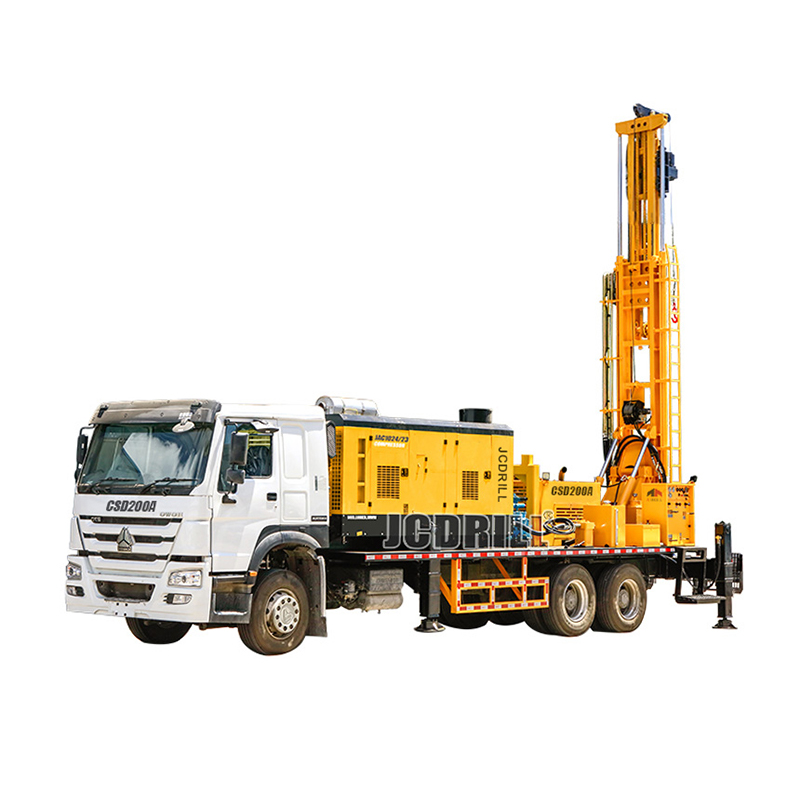
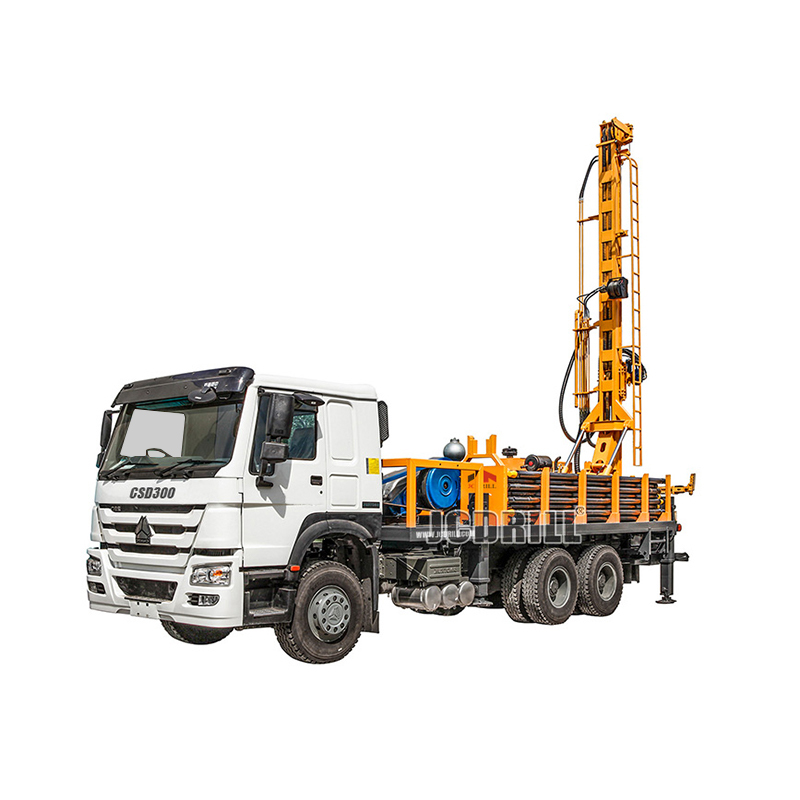
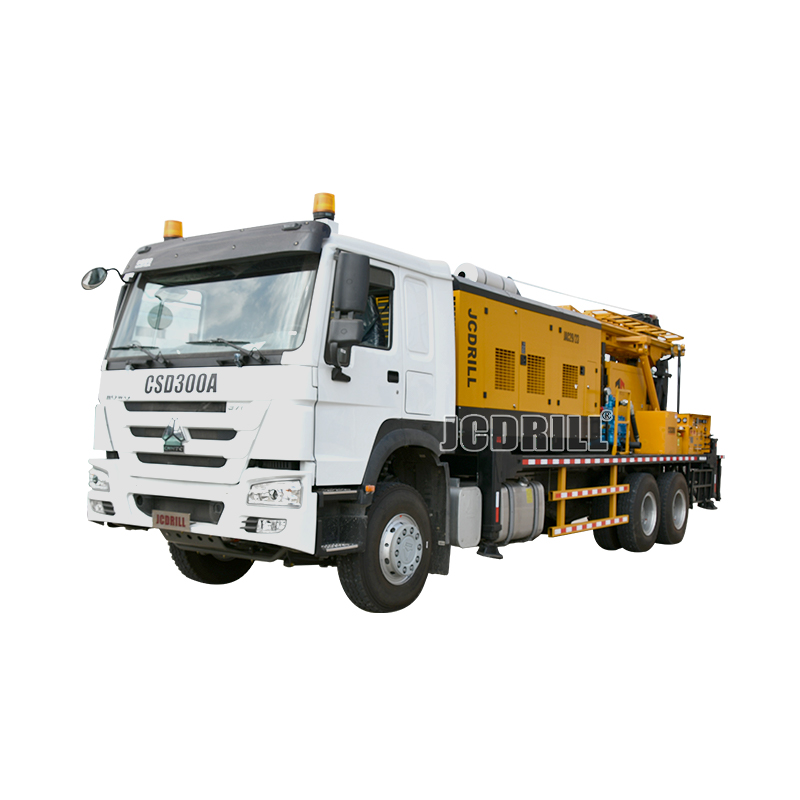
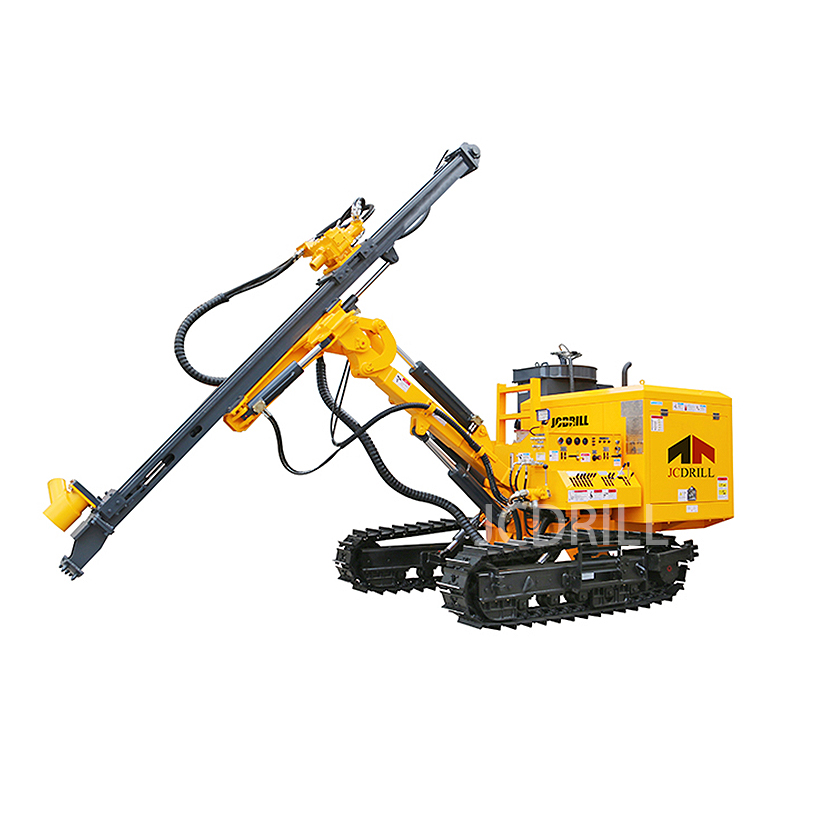
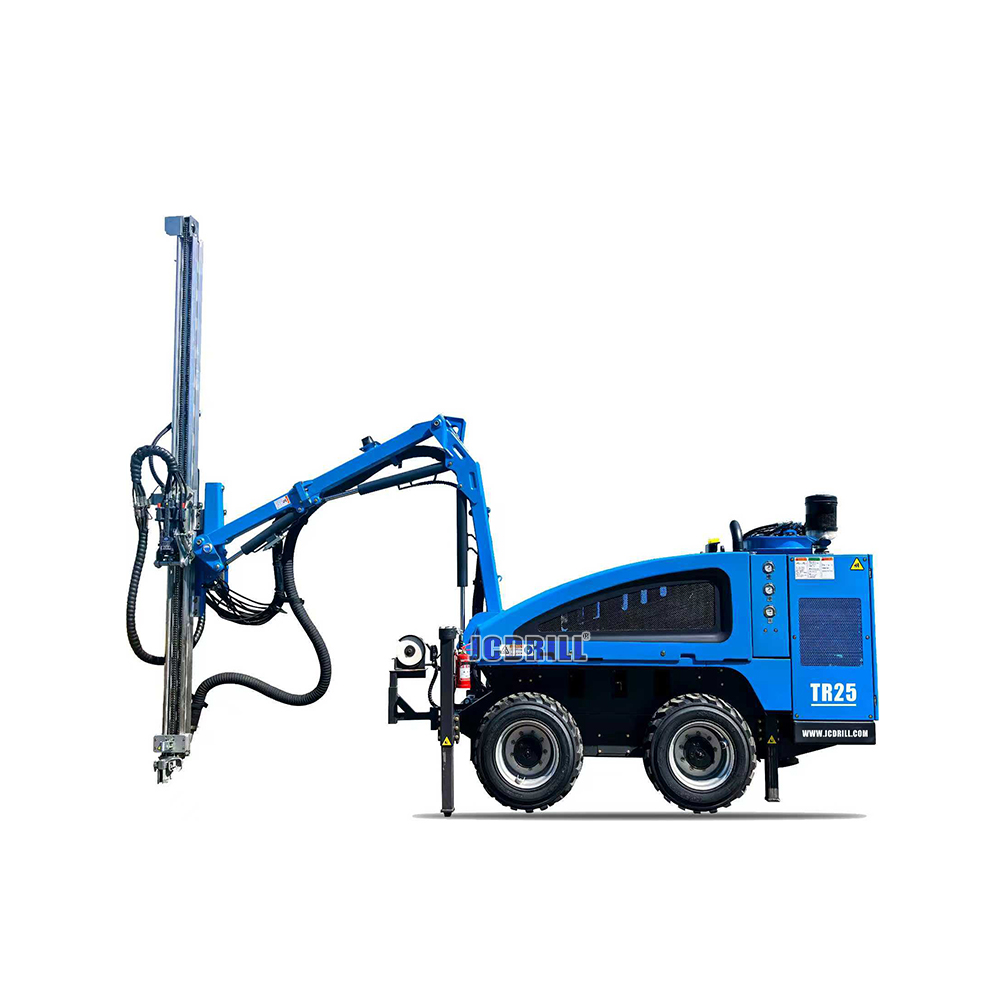
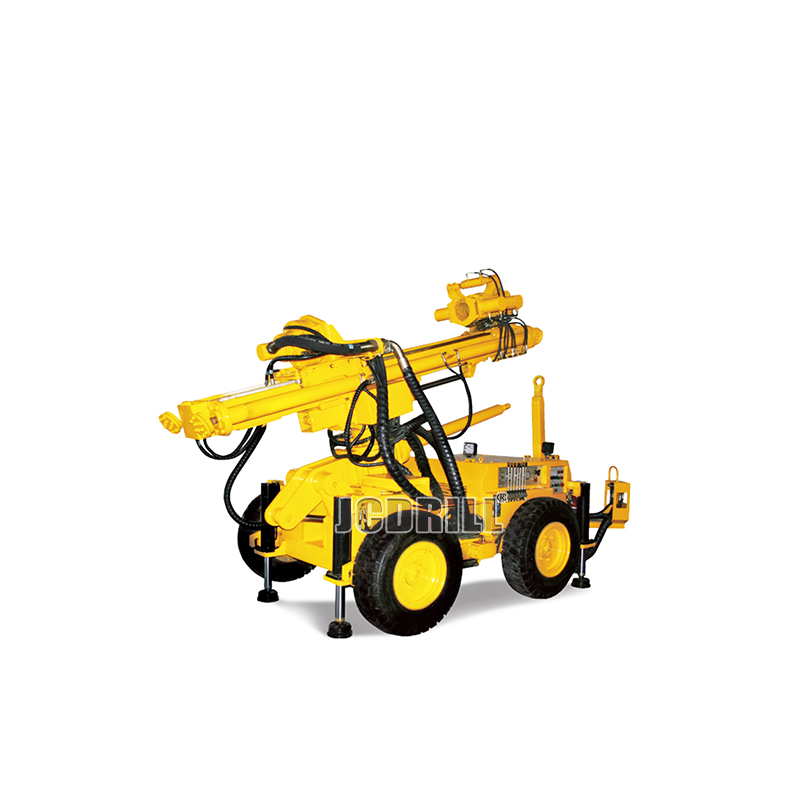
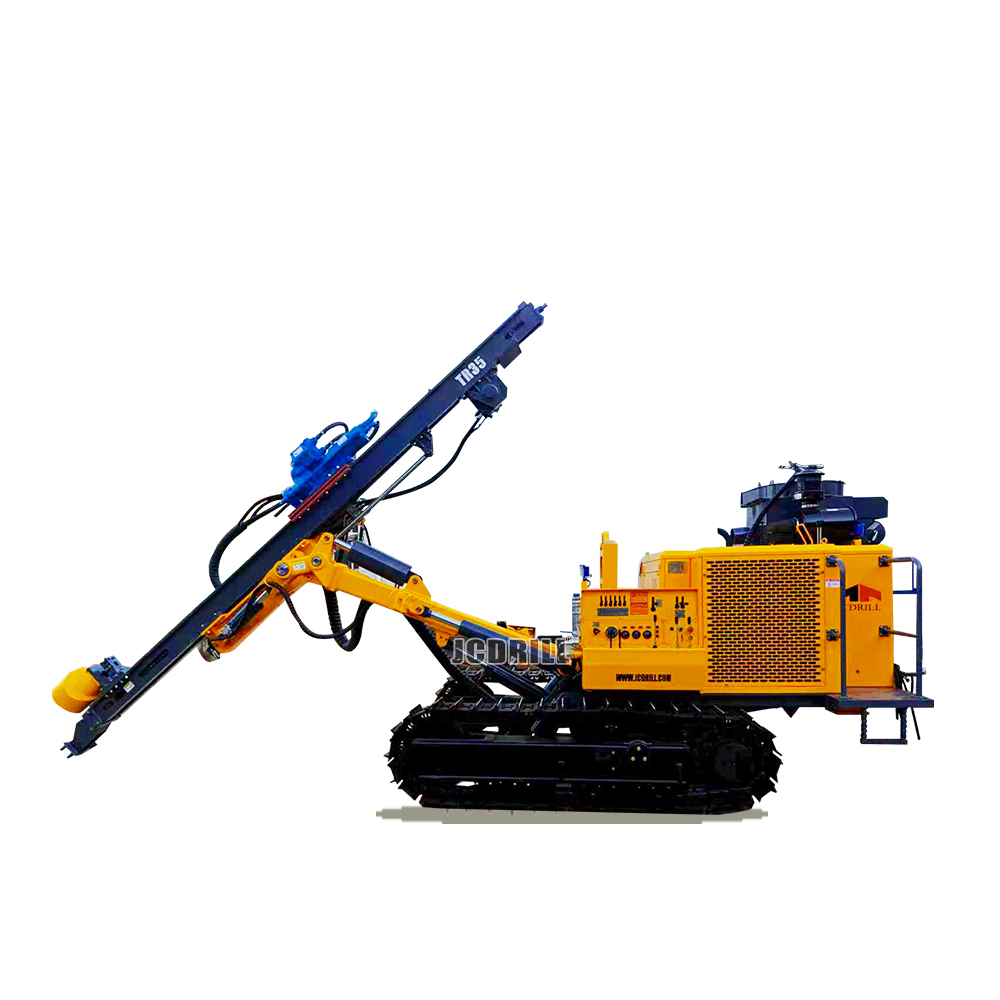
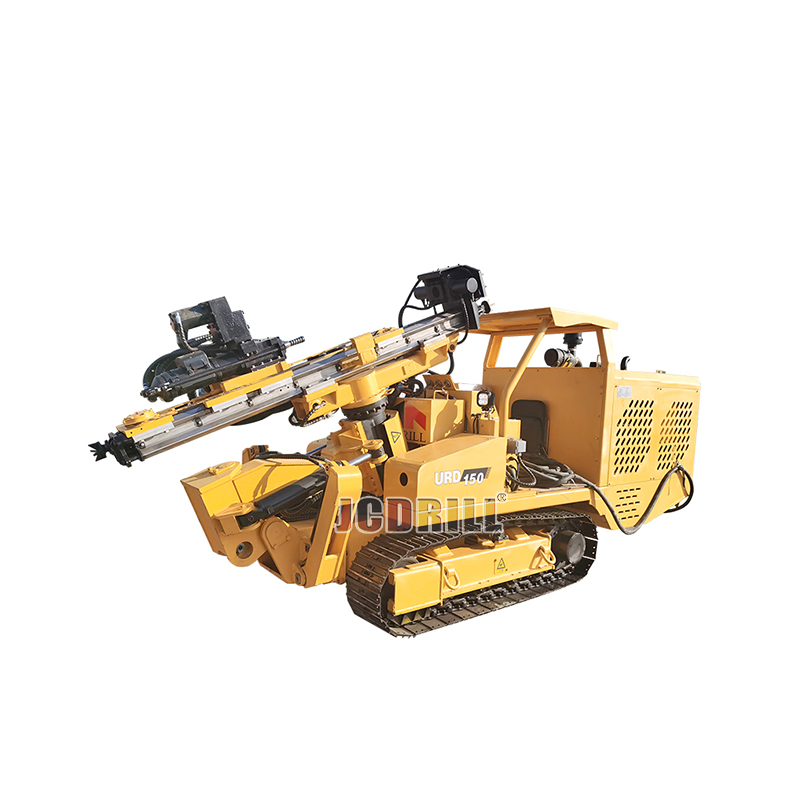
In terms of mobility: truck-mounted drilling rigs have higher prices compared to crawler rigs.
Drilling efficiency
Drilling penetration rate is affected by geological formation, operator experience, rig model and drilling method.
Hard rock stratum: DTH hammer rig matched with air compressor delivers the highest drilling efficiency.
Soil, clay and sand layers: mud rotary drilling rig with mud pump is the optimal solution.
Cobble layers: reverse circulation drilling works best. You only need to install a set of RC drilling accessories on your existing rig.
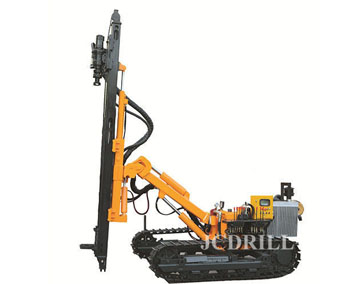 Drilling method
There are three mainstream drilling technologies based on working principles:
DTH air hammer drilling: used together with air compressor, ideal for hard rock.
Mud rotary drilling: economical for soil, sand and clay; slower drilling speed on hard rock compared with DTH drilling.
Auger drilling: no air compressor or mud pump required, only applicable for soft soil, clay and sand.
Based on circulation mode, drilling processes are divided into two categories:
Direct circulation: drilling medium (air or mud) flows down through drill pipes, and rock cuttings are discharged from the gap between drill pipe outer wall and borehole wall.
After-sales service
Professional after-sales support is a vital selection factor. Parts damage and operation misoperation often occur during construction, which requires timely technical guidance from manufacturers to avoid project shutdown and revenue loss.
Availability of spare parts
Spare parts supply convenience should be taken into account before purchase, as it constitutes long-term operation cost. Difficult-to-obtain spare parts bring higher procurement cost and long waiting downtime, greatly affecting project profitability.
Safety
Safety is the top priority for rig selection, covering operators, maintenance staff and surrounding personnel during drilling and transportation. Standard configurations include safety guards, emergency stop buttons and dust collectors to prevent casualties.
Environmental protection
Global environmental standards are becoming increasingly strict. When selecting drilling rigs, buyers must check engine emission standards and noise levels that comply with local regional environmental regulations.
The above eight key factors serve as a complete reference guide for entrepreneurs preparing to purchase water well drilling rigs.
Previous: How to Select Water Well Drilling Rig
Next: Do You Know The Environmental Benefits of Using Surface Drilling Rigs?
 |

 Français
 Español
 عربي
 中文