Jun. 30, 22
Drilling equipment is required for numerous construction and mining projects. Every drilling business will eventually face the need to purchase a brand-new drill rig. If you are searching for practical guidance to make a rational procurement decision, this article covers all core basics for selecting a rig matched to your project demands.
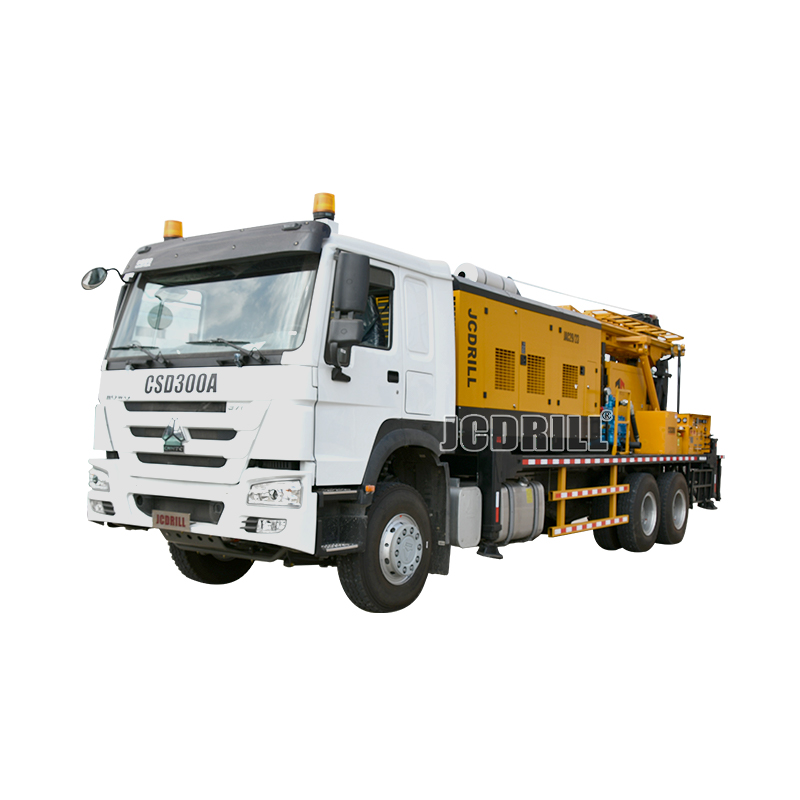
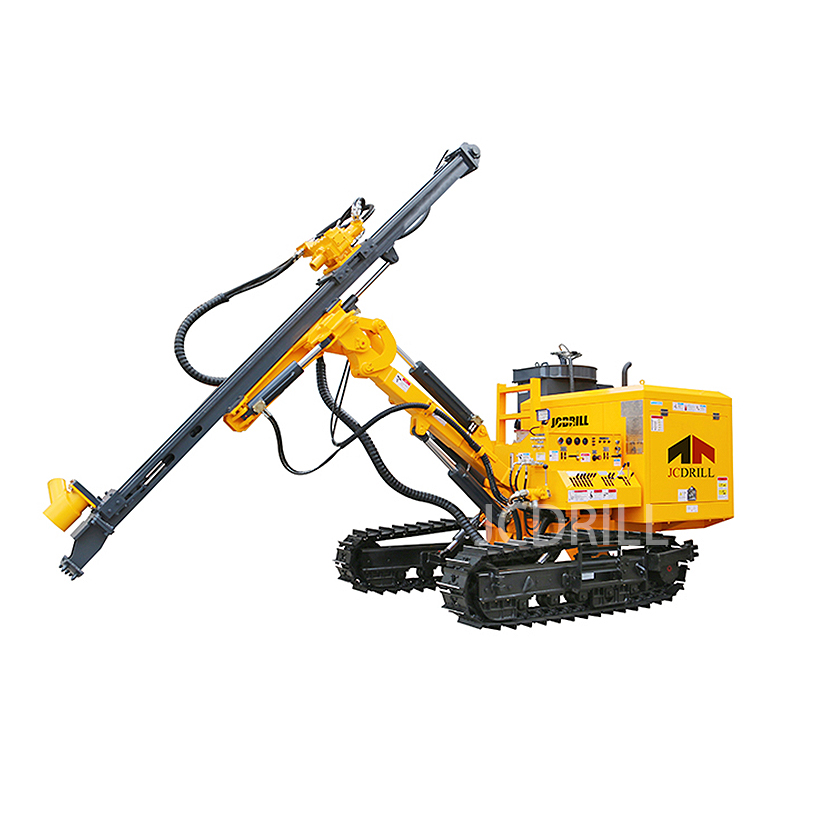
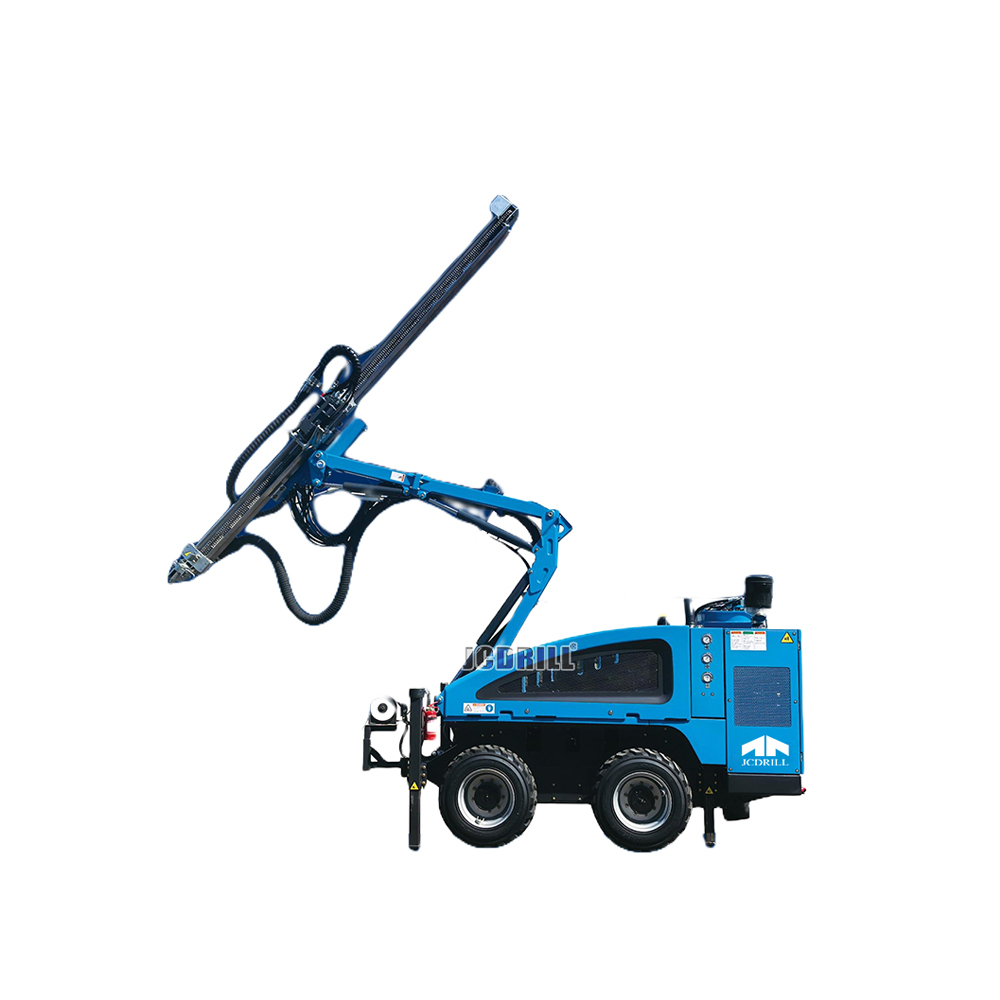
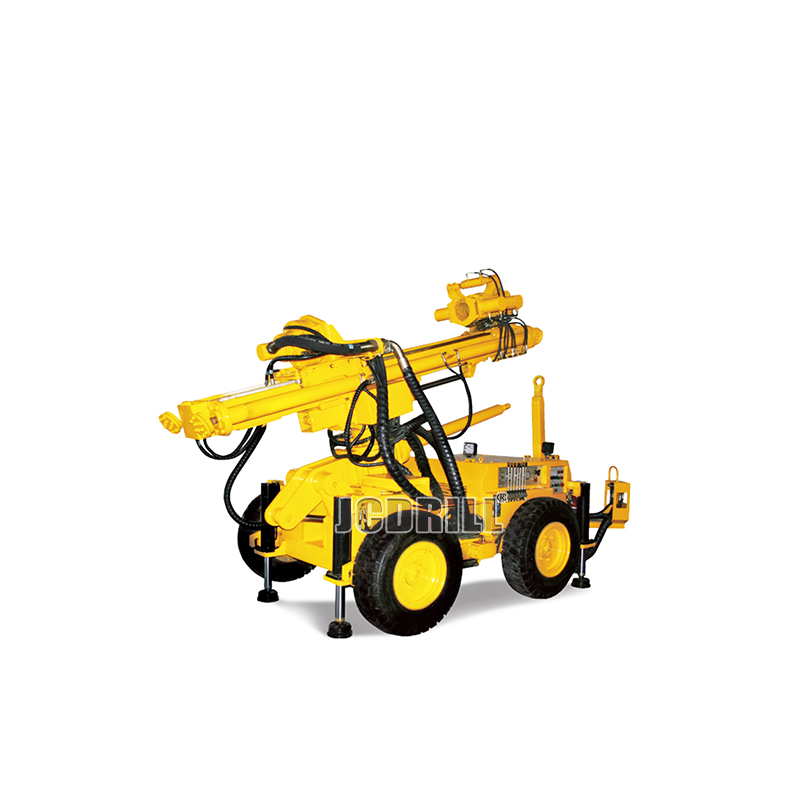
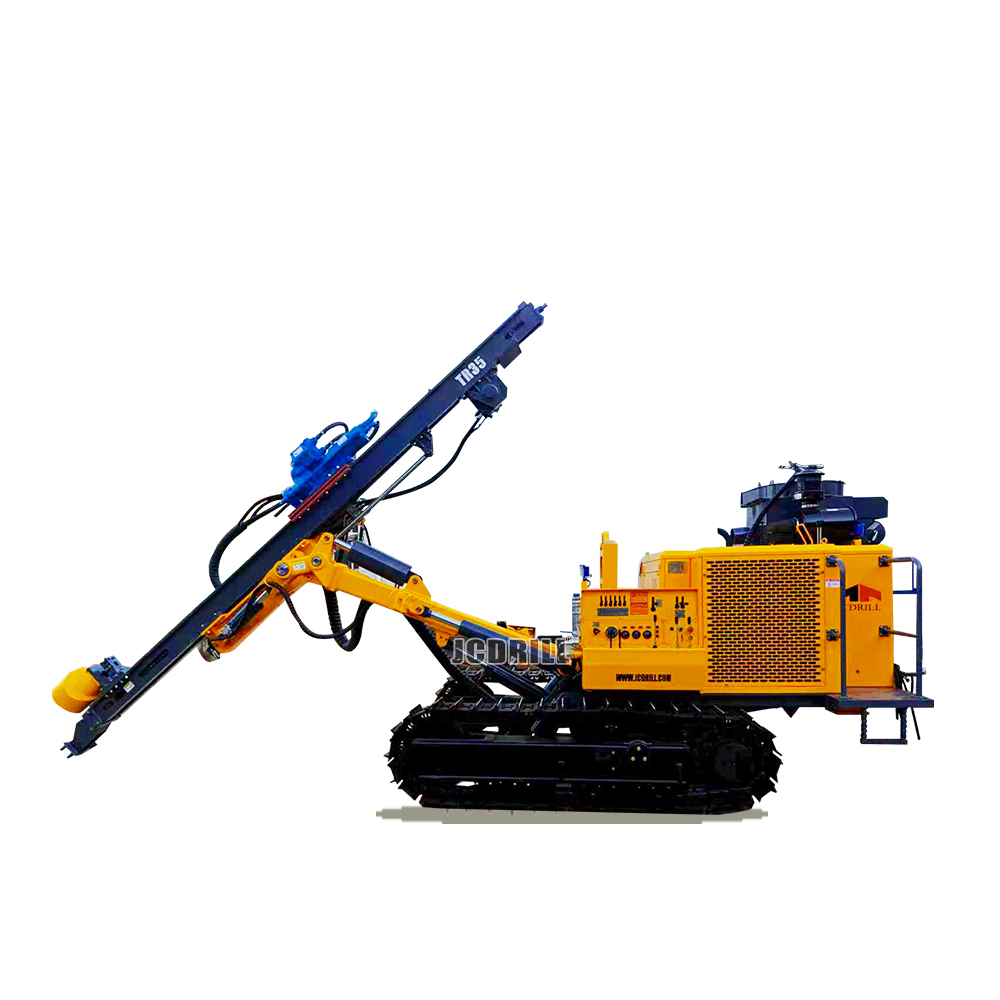
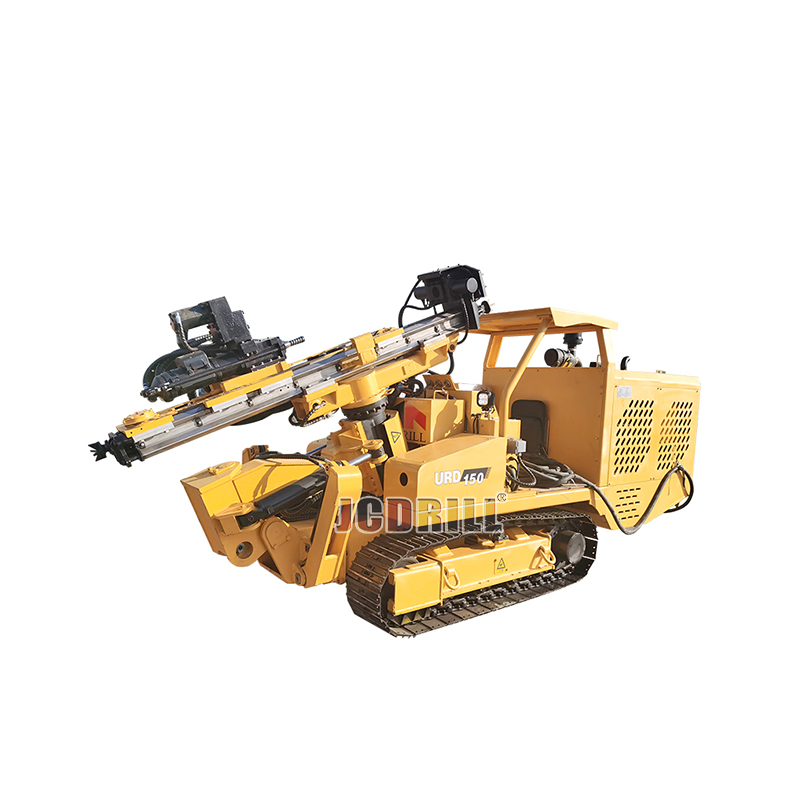
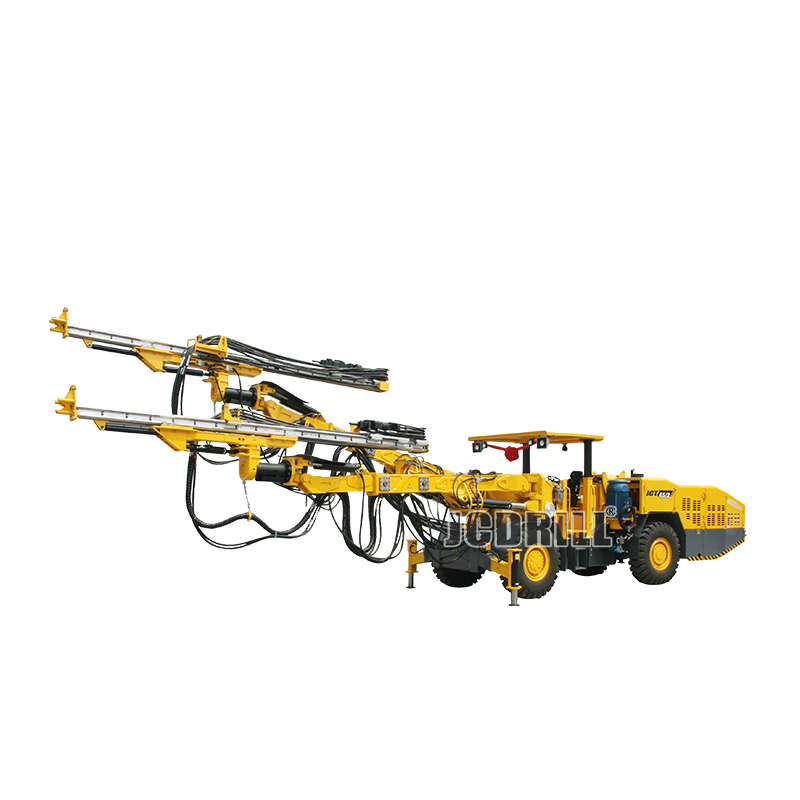
Examples of several types of drilling
Let’s start with basic definitions. An auger is construction machinery designed to bore holes into the ground. Auger equipment varies drastically in size, ranging from giant heavy-duty rigs to compact lightweight units transportable by a single operator.
Drilling rigs collect mineral samples and test physical characteristics of rock, soil and groundwater. They are also widely used for underground infrastructure construction including tunnels, shafts and pipeline boreholes. Choosing a suitable rig does not need to be complicated; you only need to clarify your core application and the terrain conditions of your construction sites.
 What to consider before buying
Prioritize rig models that fully adapt to your construction terrain environment.
Complete a full pre-purchase inspection to confirm the rig meets all industry quality standards and carries sufficient drilling fluid supplies to prevent on-site accidents.
Standardized preventive maintenance is essential to extend your drilling rig’s service life.
Safety performance, operational reliability and user-friendly operation are three non-negotiable purchasing criteria.
Select manufacturers that guarantee on-time delivery and comprehensive after-sales technical support, which is critical for rapid troubleshooting during unexpected equipment breakdowns.
Pay close attention to the rig’s rotation speed and power output; superior performance drastically shortens construction cycles and boosts overall project efficiency.
Did you know?
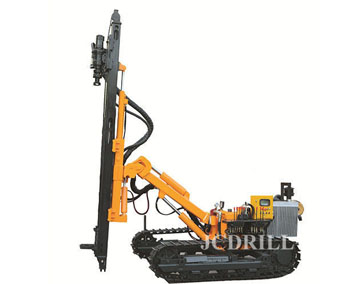
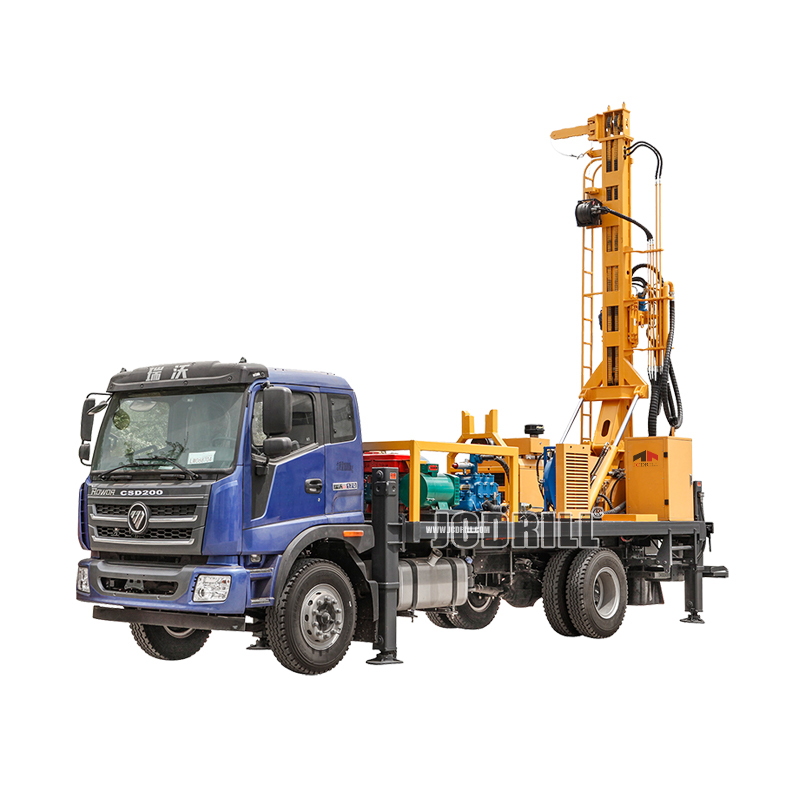
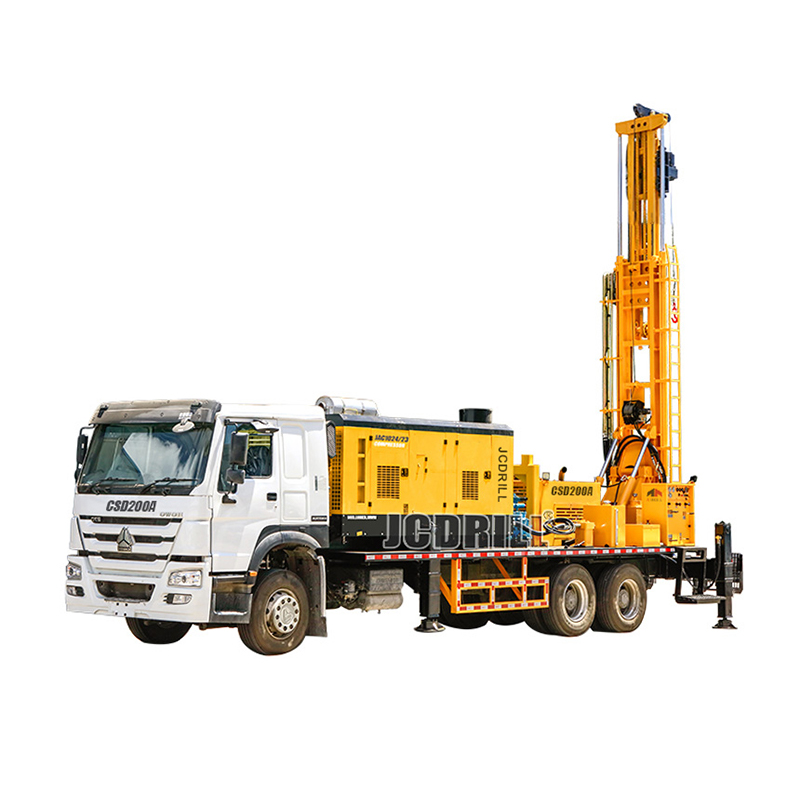
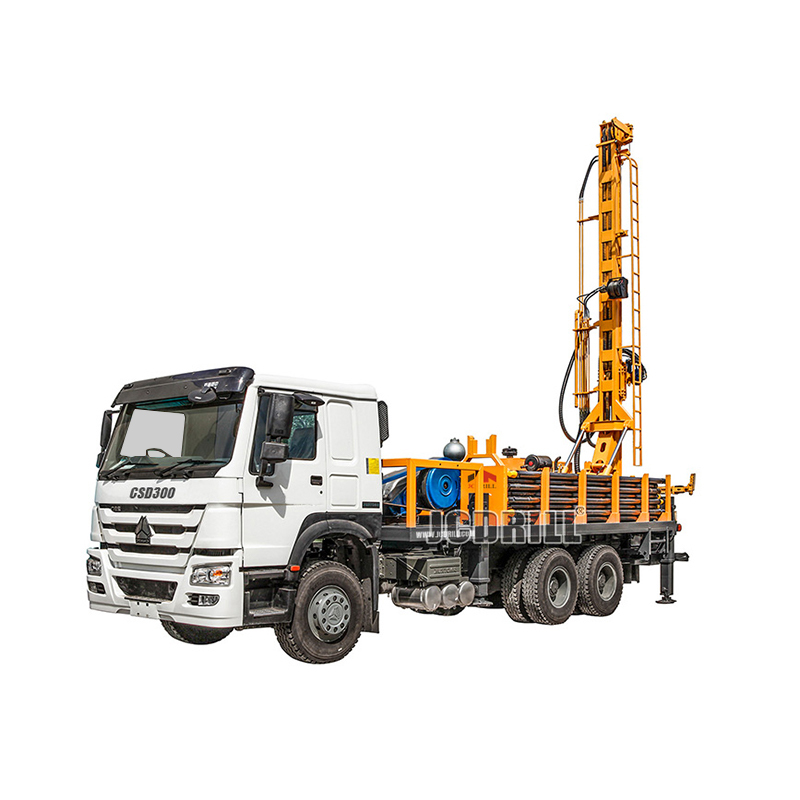
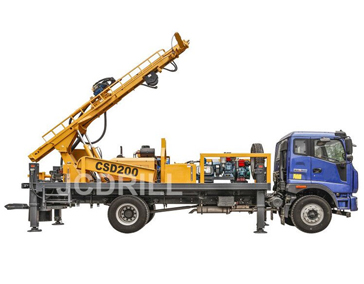
There are two core categories of types of rigs: self-propelled crawler rigs and truck/trailer-mounted rigs.
Crawler drilling rigs are designed for low-speed travel across uneven, soft muddy ground. Truck and trailer-mounted rigs feature lower upfront costs but lack independent mobility and power, relying on carrier trucks or separate external generators.
Mandate full safety protective gear for all operators to eliminate workplace injury risks during drilling construction.
If you need more detailed information on all drilling rig types, please contact us for professional technical documents and customized quotations.

Previous: Types of Drilling Rigs

 |

 Français
 Español
 عربي
 中文