Jan. 13, 26
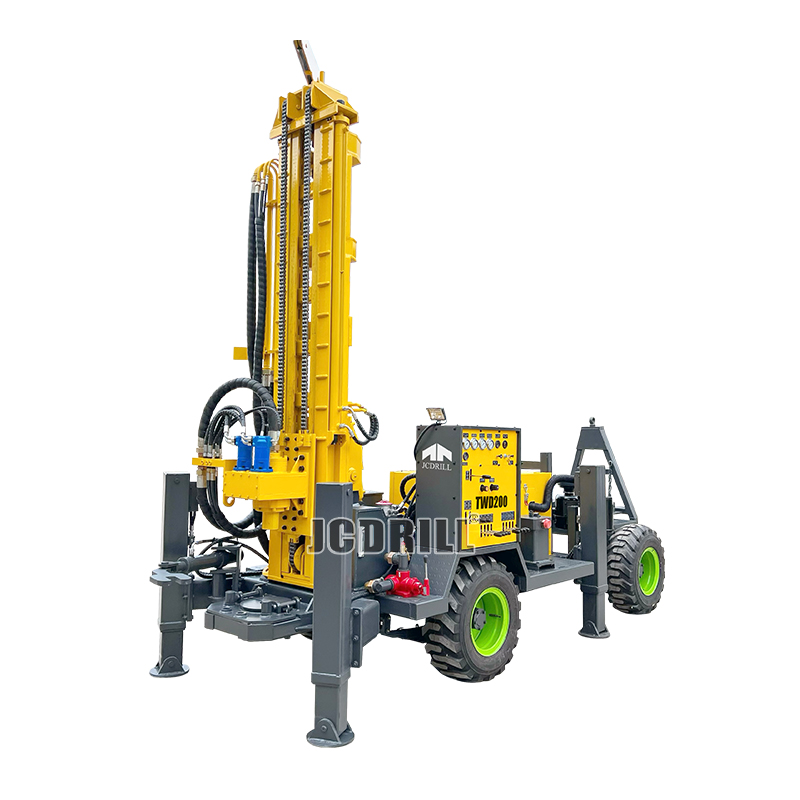
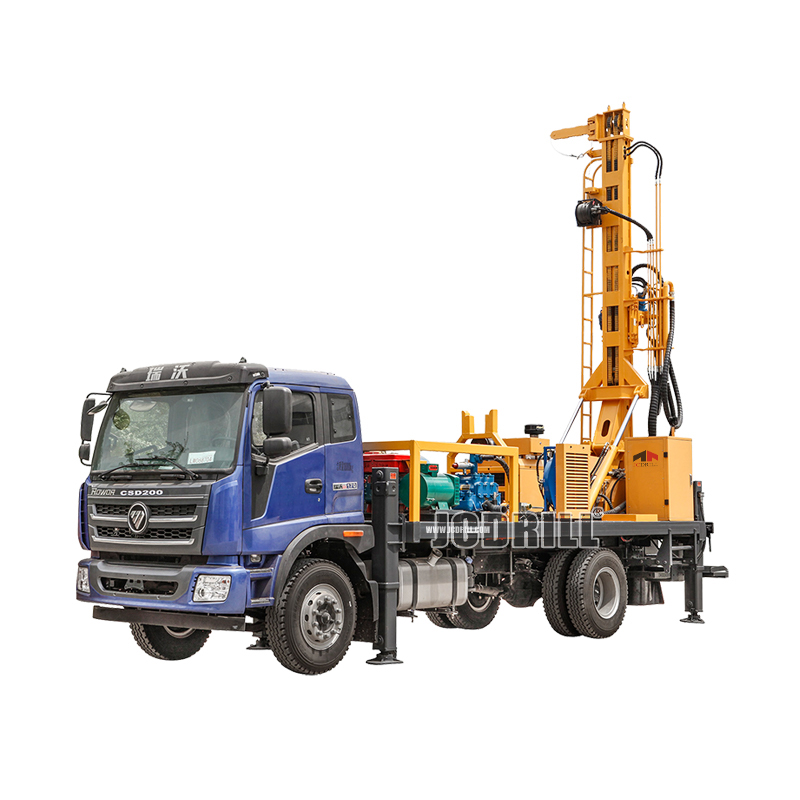
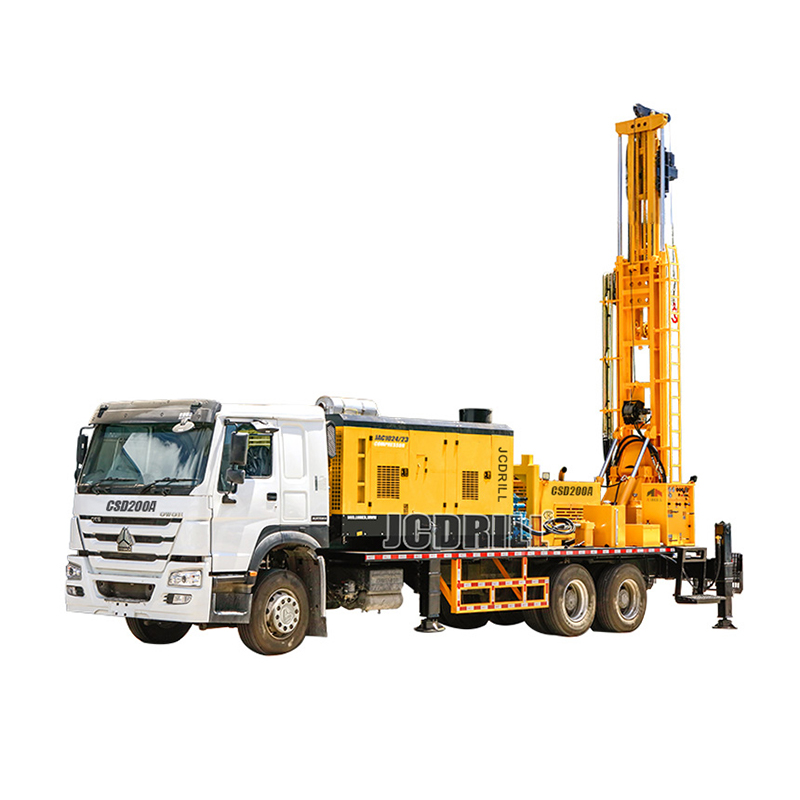
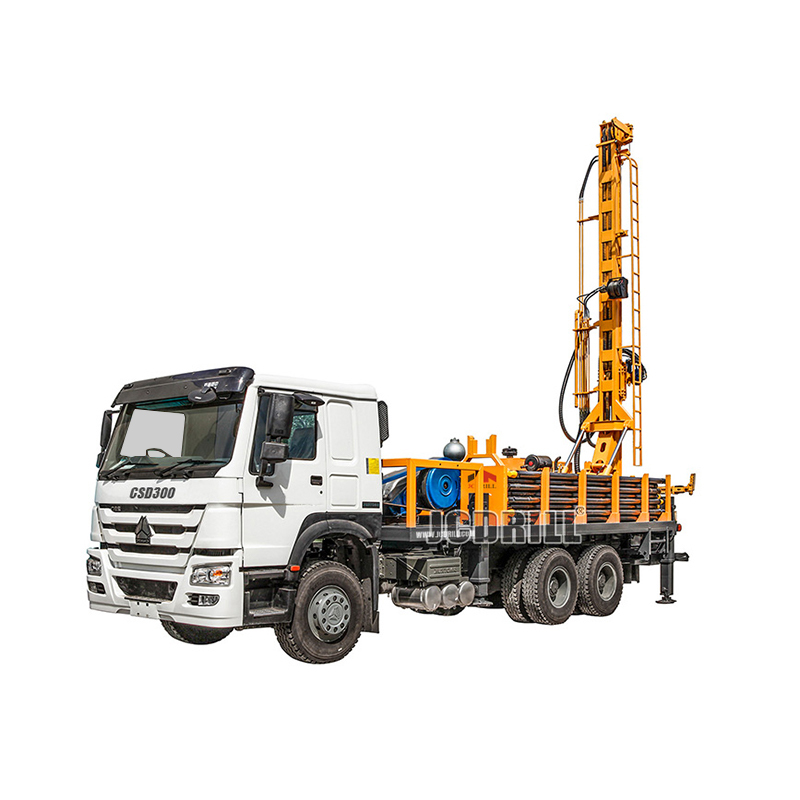
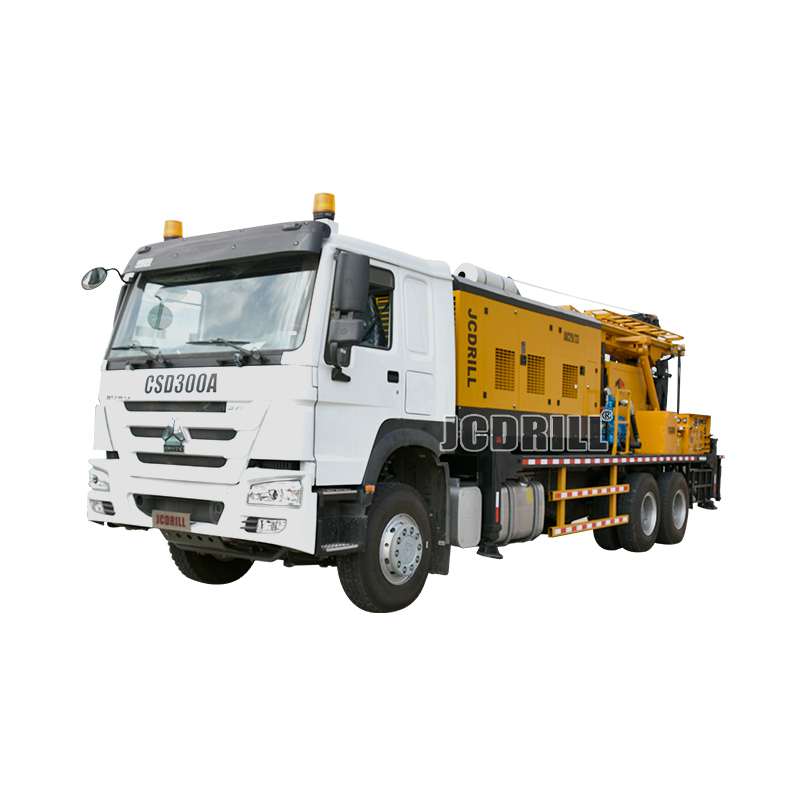
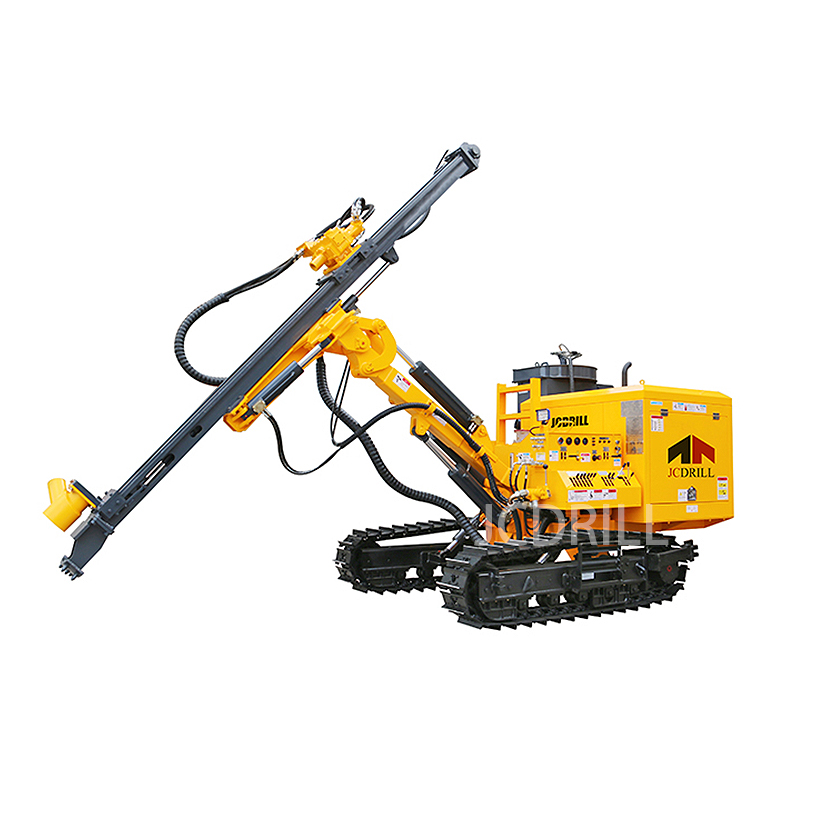
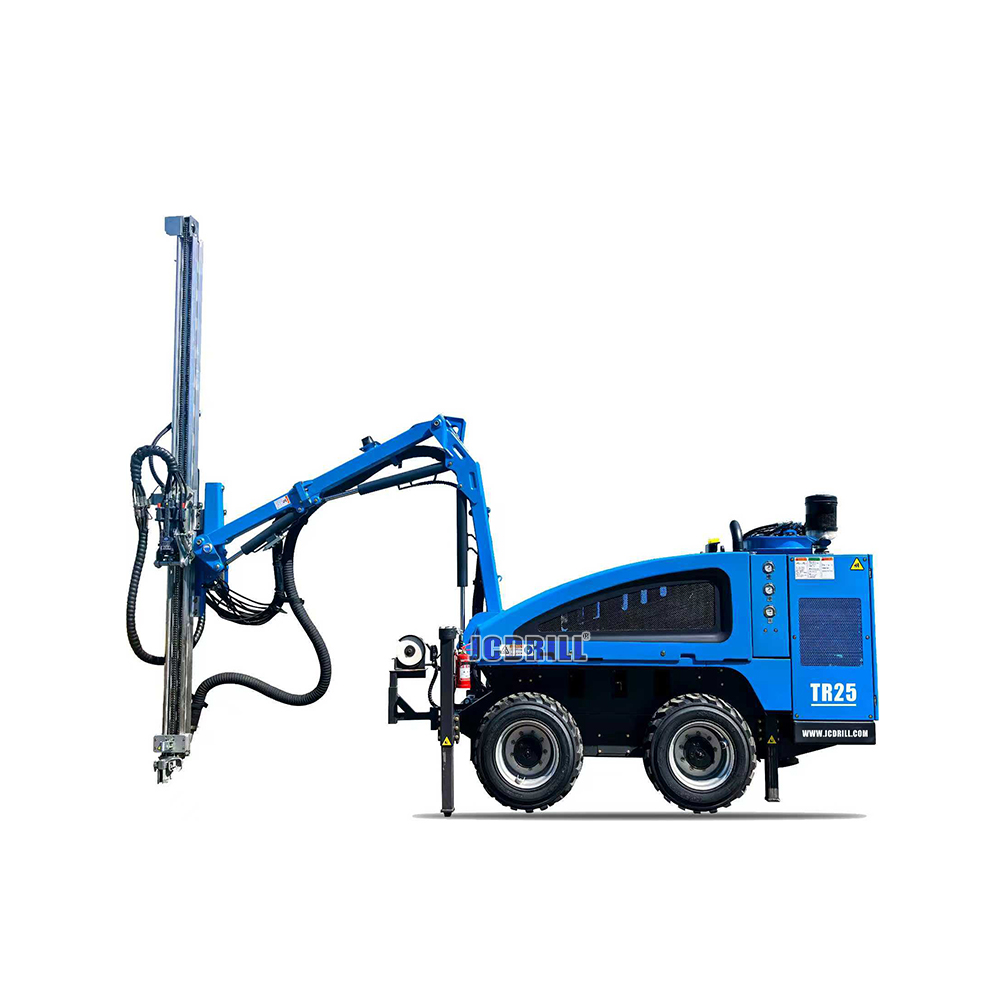
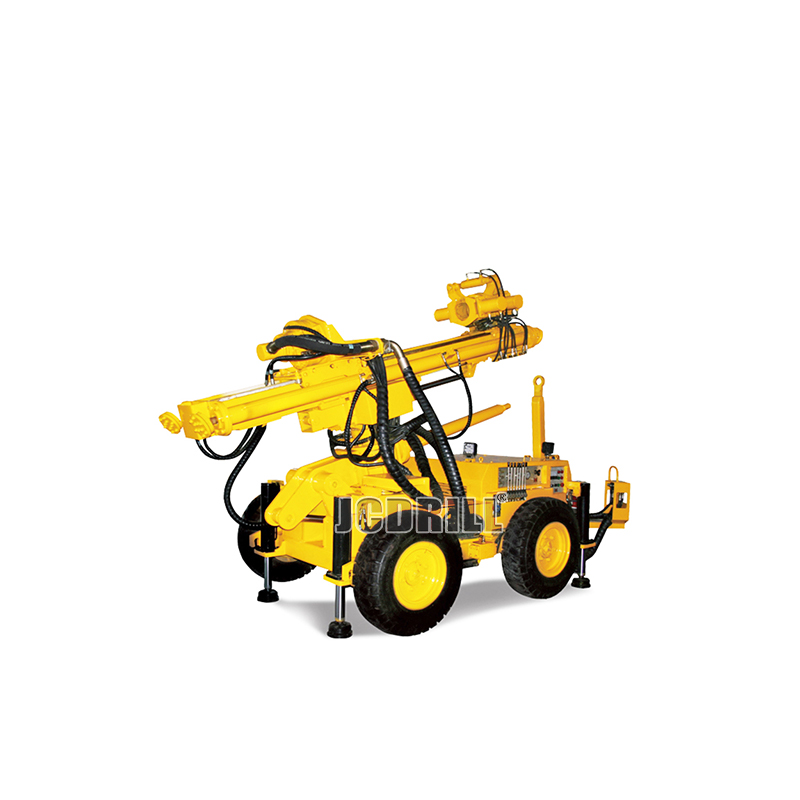
Water well drilling rigs are critical equipment for extracting underground groundwater. Whether you operate small residential well drilling rigs or large industrial drilling equipment, maintaining stable performance guarantees reliable and efficient construction. However, as complex heavy machinery, drilling rigs are prone to various faults that interrupt work. This guide provides a complete troubleshooting checklist to help you quickly identify and resolve common failures of water well drilling rigs.
Complete Troubleshooting Checklist for Water Well Drilling Rigs
The following step-by-step solutions correspond to the above common equipment faults:
Loss of Drilling Power
When the rig lacks drilling power, follow these inspection steps:
Engine inspection: Check stable running status, fuel quantity, dirty fuel filters, air inlet blockage, and worn/corroded spark plugs
Transmission inspection: If the engine runs normally, check transmission damage which blocks power transmission to the drill bit
Drill bit inspection: Replace severely worn, blocked or cracked drill bits
Mud circulation inspection: Check mud pump blockage and mud consistency; clean or replace the mud pump if circulation is poor
Blocked or Damaged Drill Bit
Rock and soil debris easily block drill bits; troubleshoot as below:
Damage inspection: Replace cracked, chipped or heavily worn bits with matched models for your formation
Bit cleaning: Remove the drill bit and clear debris with steel brushes, compressed air or high-pressure water guns
Working condition matching: Switch to drill bits specially designed for hard rock if frequent clogging occurs
Hydraulic System Malfunction
The hydraulic system provides power for most rig components; handle pressure loss faults via the following checks:
Hydraulic oil level: Low oil volume is the top cause of pressure drop; replenish oil to standard liquid level
Pipeline and fitting inspection: Replace leaking, cracked hydraulic hoses and loose connectors immediately
Hydraulic pump inspection: Clean pump filters or replace faulty pumps with abnormal noise and insufficient output pressure
Cooling System Failure
Overheating will permanently damage engines and hydraulic assemblies; inspect cooling parts as follows:
Radiator cleaning: Clear surface dust and mud blocking ventilation channels
Coolant level check: Maintain coolant between the upper and lower scale marks of the expansion tank
Cooling pipeline inspection: Repair or replace cracked, leaking cooling hoses
Cooling fan test: Confirm the fan rotates at rated speed; abnormal operation points to electrical or mechanical faults
Electrical System Faults
Electrical faults affect ignition, sensors and control panels; troubleshooting steps:
Battery inspection: Clean electrode corrosion, tighten loose terminals; recharge or replace low-voltage batteries
Wiring harness inspection: Replace frayed, cracked wires to prevent short circuits
Component voltage test: Use a multimeter to verify each part’s voltage conforms to factory specifications
Fuse check: Replace blown fuses; investigate short-circuit surges that burn fuses repeatedly
Excessive Drilling Vibration
Intense vibration signals misaligned or worn mechanical parts:
Dynamic balance check: Reinstall and align unbalanced drill bits and rotating components
Bearing and bushing inspection: Replace worn bearings and bushings that generate vibration
Drivetrain inspection: Fasten loose transmission parts and replace aging components
Conclusion
Regular maintenance and timely fault troubleshooting of water well drilling rigs minimize construction downtime and guarantee safe, high-efficiency drilling work. This checklist covers all frequent faults including power loss, hydraulic failure, overheating and electrical breakdowns. Routine inspections and prompt repairs extend rig service life and lift overall drilling productivity. Always refer to the official equipment manual for model-specific maintenance standards; contact professional technical support if complex faults cannot be solved on site.
Previous: Charitable Donation Warms Hearts, JCDRILL Demonstrates Responsibility
Next: A method for prolonging the service life of mud pump in well drilling rig

 |
| 
 Français
  Español
  عربي
عربي  中文
中文