Jan. 13, 26
Excellent question! In geotechnical engineering, the Standard Penetration Test (SPT) is one of the most common, simple, and economical in-situ (on-site) tests performed worldwide. Its primary function is to provide geotechnical design parameters for foundation engineering.
Here's a detailed breakdown of its functions and purposes:
Primary Functions
4. Foundation Design
SPT data is directly used in semi-empirical methods for designing:
· Bearing Capacity of shallow foundations (footings, rafts).
· Settlement Analysis for shallow foundations.
· Load Capacity of deep foundations (driven piles, drilled shafts).
The pile capacity is often calculated directly from SPT N-values using methods like the "Meyerhof" or "Bazaraa & Kurkur" methods.
· Lateral Load Capacity of Piles.
5. Liquefaction Assessment
This is one of its most critical modern functions. In seismic regions, the SPT N-value is the primary input for evaluating the liquefaction potential of saturated sandy soils during an earthquake.
The measured N-value is corrected (to (N₁)₆₀) and compared to the cyclic stress ratio induced by an earthquake.
How the Test is Performed (The Process)
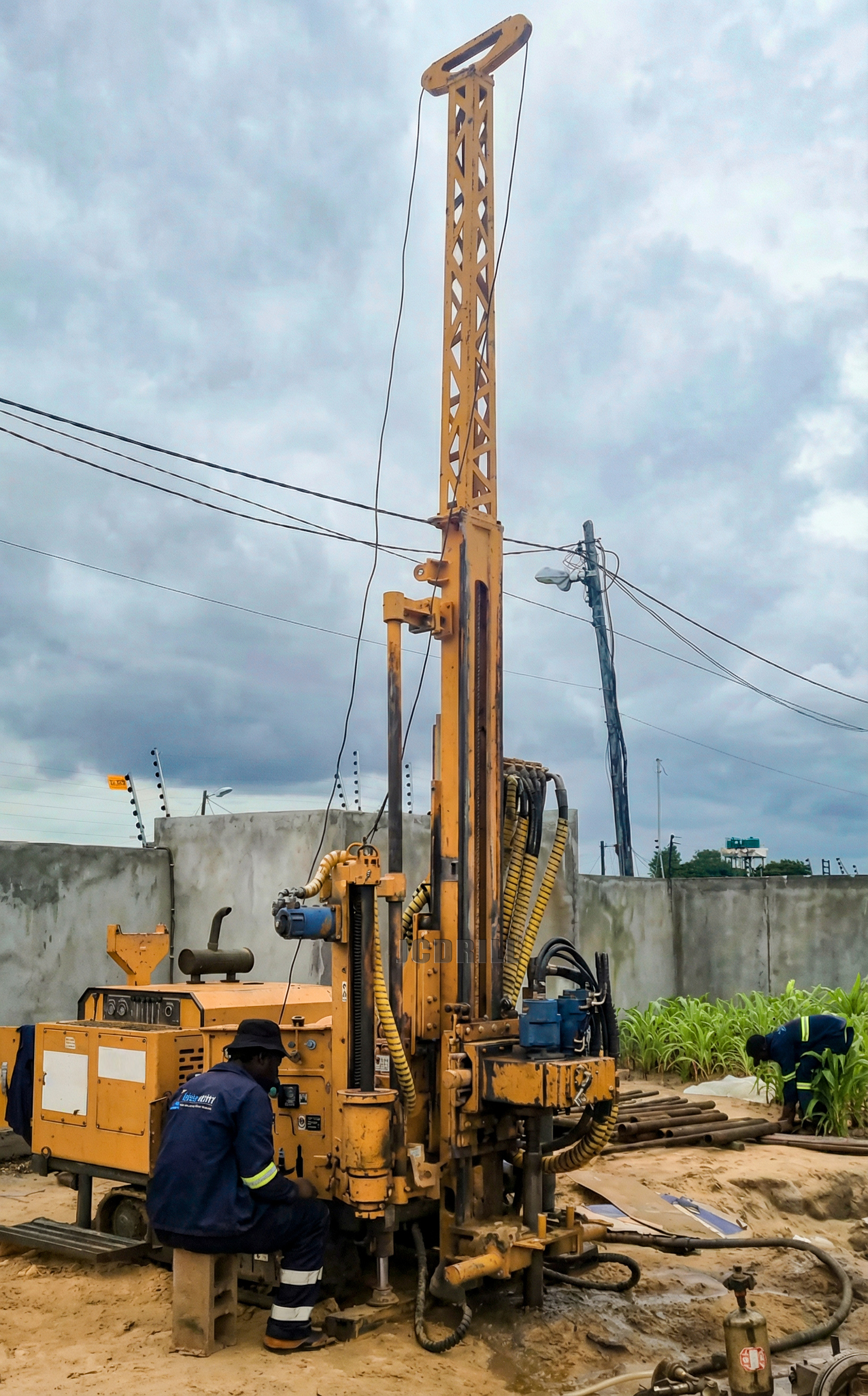
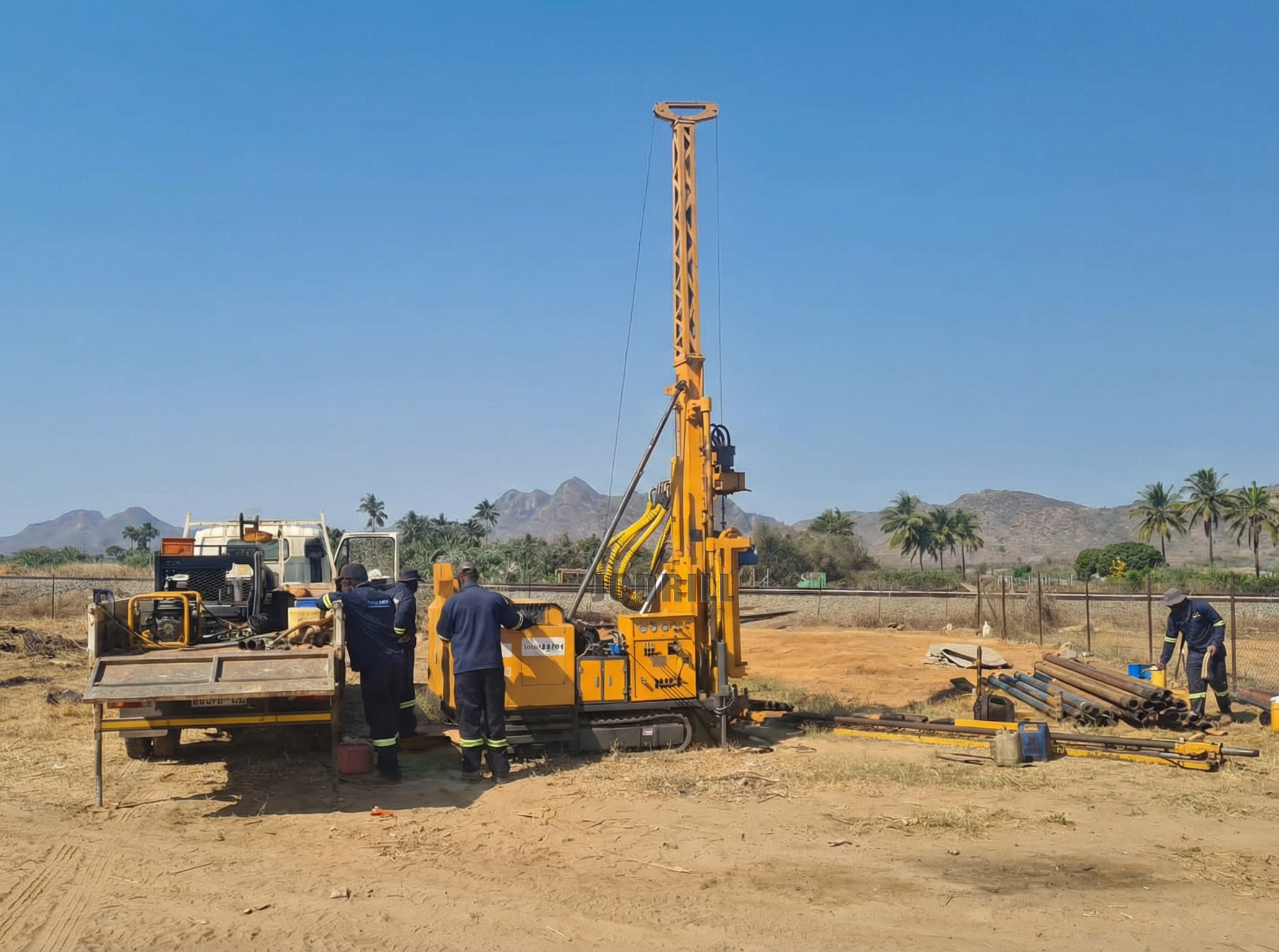
1. A borehole is drilled to the desired test depth.
2. A split-spoon sampler (a hollow steel tube, split lengthwise) is attached to drill rods and lowered to the bottom of the borehole.
3. A 140 lb (63.5 kg) hammer is dropped a distance of 30 inches (76 cm) onto the drill rods.
4. The number of hammer blows required to drive the sampler three consecutive 6-inch intervals (total 18 inches) is recorded.
5. The SPT N-value is the blow count for the last 12 inches of penetration (ignoring the seating drive of the first 6 inches).
6. The split-spoon sampler is retrieved, opened, and the soil sample is visually described and often preserved for laboratory testing.
Key Advantages
· Simple & Robust: Equipment is relatively inexpensive and durable.
· Provides a Sample: Unlike many in-situ tests, it recovers a disturbed but representative soil sample for identification and lab tests (e.g., moisture content, classification).
· Extensive Database: Vast historical data and empirical correlations exist, making it a trusted standard.
· Good for a Wide Range of Soils: Effective in sands, gravels, clays, and silts (though corrections are needed for fine-grained soils).
Limitations and Important Corrections
The "raw" N-value is significantly influenced by test procedures and site conditions. For accurate design, it must be corrected to a standard energy ratio. The corrected value is denoted as (N₁)₆₀.
Major corrections include
In Summary
The function of the SPT is to be a versatile, first-pass investigation tool that provides:
· A soil profile log.
· A quantitative index (N-value) of soil strength/density.
· Key inputs for foundation design and liquefaction analysis.
· Guidance on where to take more precise (and expensive) tests like the Cone Penetration Test (CPT) or undisturbed sampling.
It is the workhorse of geotechnical site investigation, forming the backbone of most preliminary foundation design reports.
Previous: JCDRILL JC660A Integrated DTH Rock Blasting Drill Rig
Next: JRC300: A Remote-Controlled Reverse Circulation Drilling Rig

 |
| 
 Français
  Español
  عربي
عربي  中文
中文