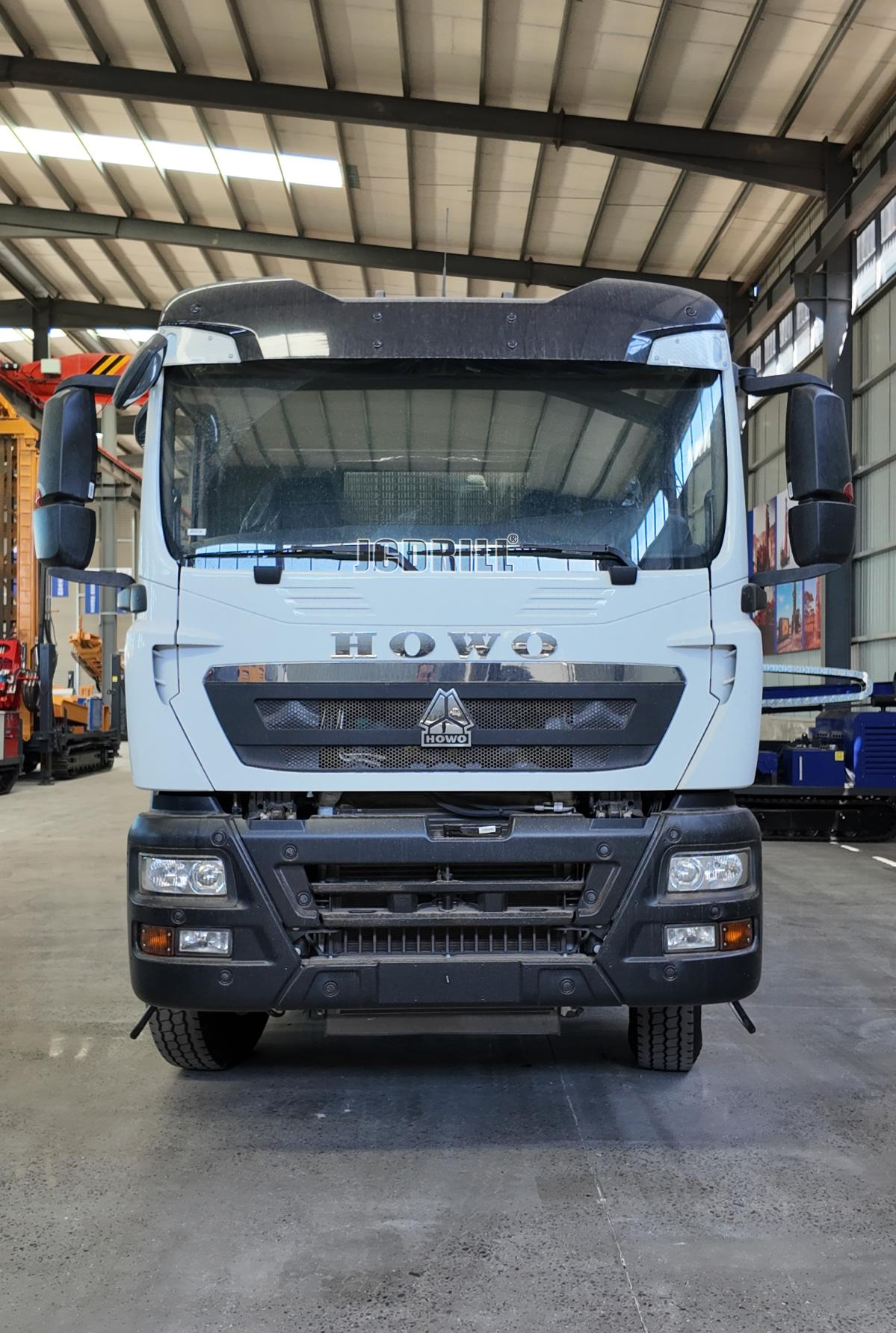
 Why Choose HOWO Truck Chassis First
Huge Market Share in Africa, Parts Available, Easy Repair
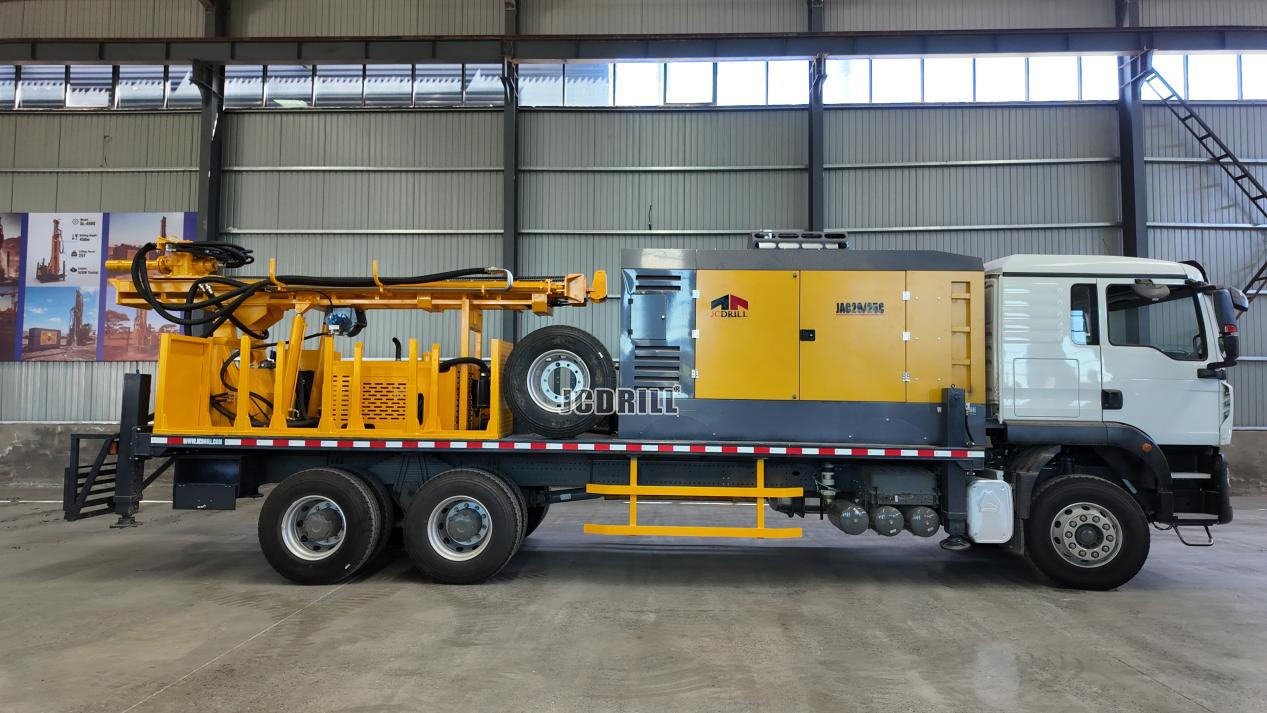
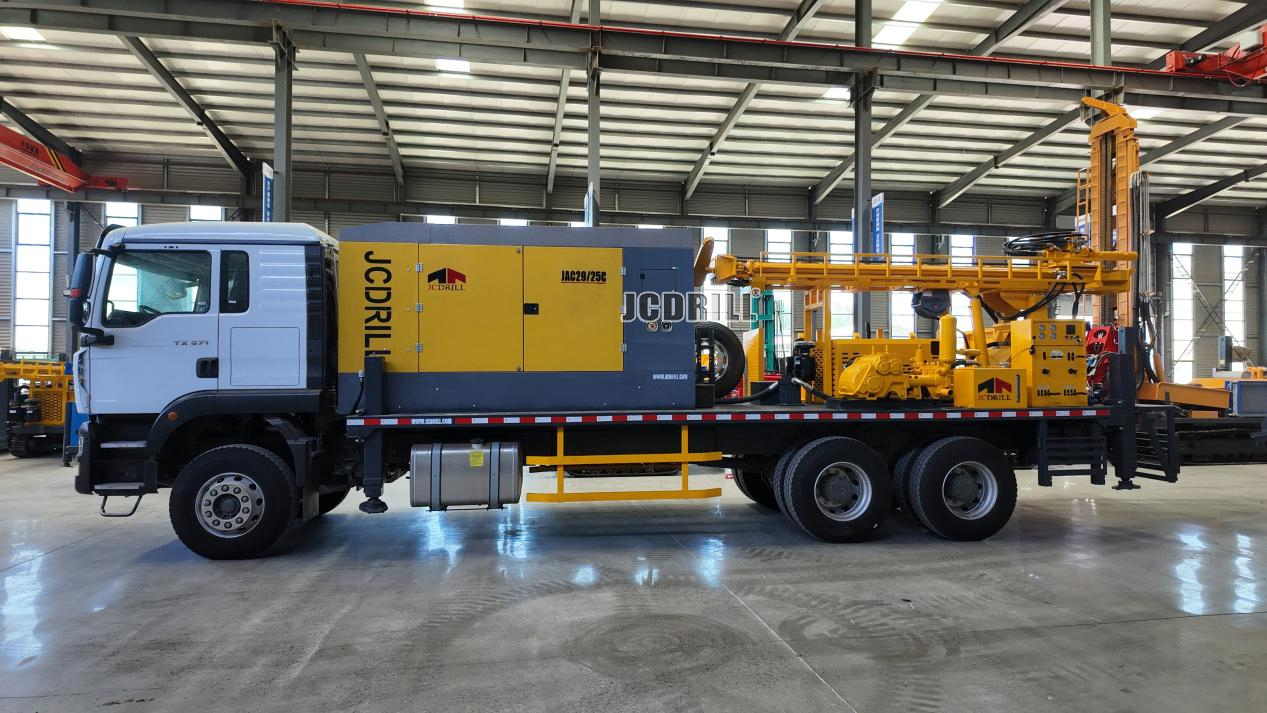
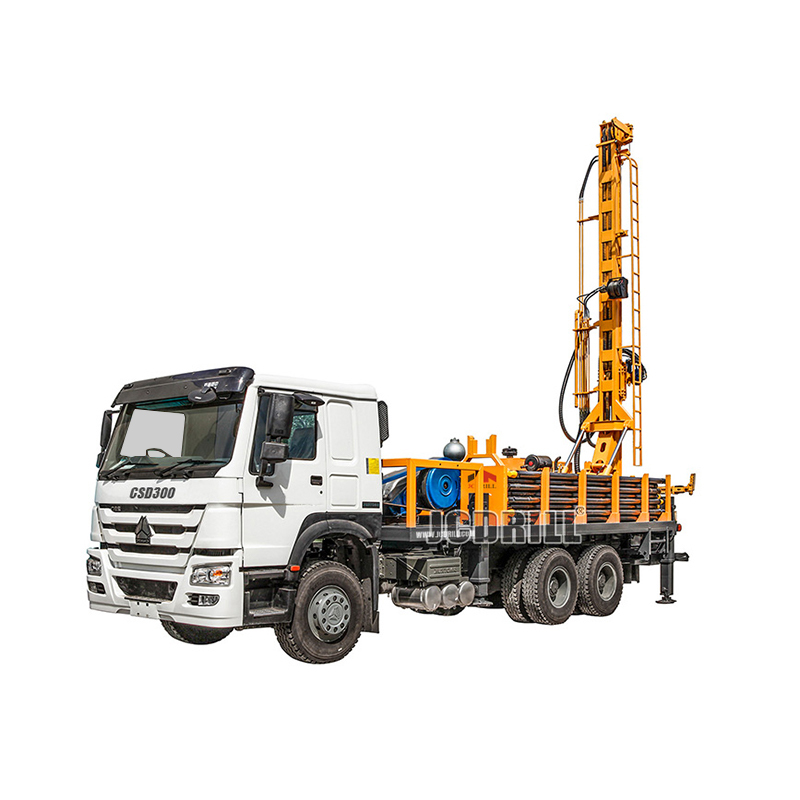
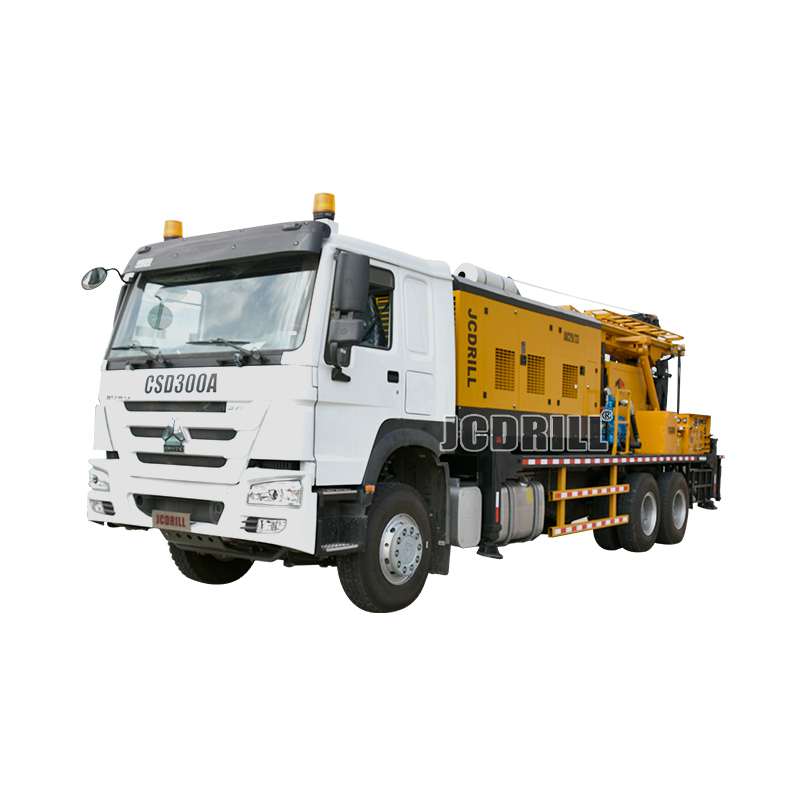
HOWO is the Chinese heavy-duty truck brand with the highest market share in Africa. It has large spare parts warehouses and local repair technicians in various locations. Even if the truck breaks down at a remote rural construction site, there's no need to wait long for imported parts, minimizing downtime losses. Parts for European and American chassis are expensive, have long delivery cycles, and many local repair shops cannot repair them. The engines are mostly Euro 2 mechanical pump models, compatible with low-grade diesel fuel, perfectly suited to the low-octane fuel, high temperature, and dusty outdoor environment of Africa.
Robust Chassis, Suitable for Unpaved Roads in Africa
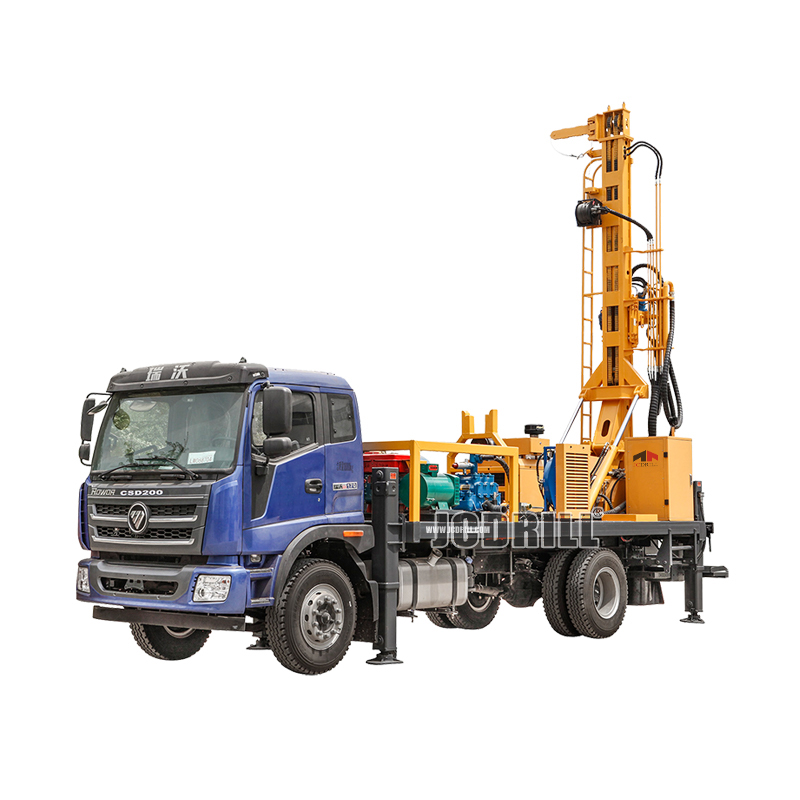
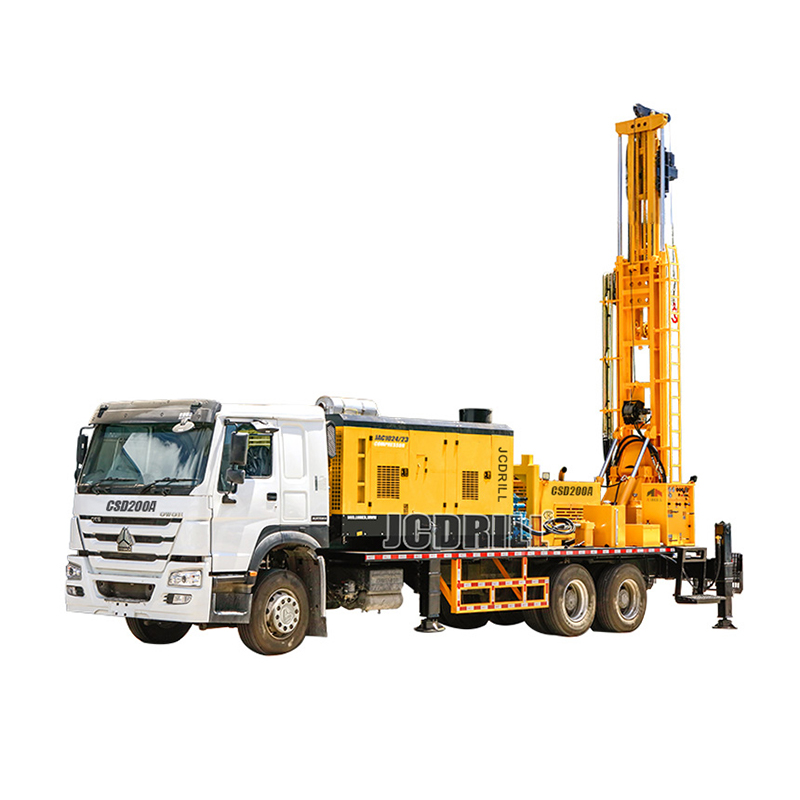
The commonly used 6×4 HOWO chassis features a double-layer thickened frame and heavy-duty leaf springs, providing sufficient load-bearing capacity to support the entire equipment, including the drilling rig, air compressor, drill rods, and mud pump. It has strong off-road and climbing capabilities, allowing for easy movement between villages.
High cost-performance ratio and mature vehicle delivery system
For the same load capacity, the price of the HOWO chassis is significantly lower than that of European chassis such as Mercedes-Benz and Volvo, resulting in lower learning costs for drilling rigs when switching to the same brand chassis.
The vast majority of projects choose a drilling depth of 200m (core market demand)
Geological conditions
Aquifers in rural Africa are generally concentrated between 100–200m. Large areas of sub-Saharan Africa have a crystalline bedrock (granite, gneiss). The shallow (<80m) weathered layer has unstable water volume and is prone to drying up during the dry season. Weathered fissure aquifers at 120–200m are the most common and stable water-bearing layers, ensuring a stable water supply throughout the year, meeting the needs of villagers for drinking water and small-scale irrigation. Beyond 200m, entering intact bedrock, fissures decrease, and the water output may not necessarily increase, but drilling costs, consumables, and air compressor requirements will rise significantly.
Project business model and budget matching
Most orders in Africa are for village community water supply projects, NGO aid projects, and small private drilling contractors with limited budgets.
- 200m drilling rig, pneumatic down-the-hole + mud drilling dual-purpose, capable of handling both soft and hard formations;
- Controllable costs for drill pipe, casing, and air compressor accessories; reasonable drilling cycle per well; fast return on investment;
- Purchasing a 300/400m rig directly would significantly increase procurement costs, fuel consumption, and spare parts costs, but most wells don't reach that depth, leaving the equipment underutilized.
Industry practice
Drilling rigs are typically rated for 200m, with a certain margin. In areas with harder formations or slightly deeper water levels, it can still reach around 220m, providing ample tolerance.
Engineering Standards and Bidding Habits
Local bidding and aid projects generally set target well depths at 150–200m. Contractors directly target this specification when purchasing equipment, facilitating bidding and project acquisition. Shallow well drilling rigs (100m) often experience dry boreholes in arid areas, resulting in low well completion rates, a risk clients are unwilling to take.
Why Is the CSD200A (HOWO Truck) So Popular in Africa?
Performance Advantages of CSD200A
Two Drilling Processes in One Machine, Wide Geological Adaptability
It supports both mud drilling (soft formations: clay, sand) and down-the-hole hammer drilling (rock formations), allowing operation in both soft and hard formations. In rock conditions, the down-the-hole hammer operation provides significantly higher rock-breaking efficiency than ordinary rotary drilling rigs, making it suitable for various projects such as agricultural water wells, shallow geothermal wells, and geological exploration.
Fully Hydraulic Centralized Control, User-Friendly Operation
The entire equipment (four outriggers, drilling tower, transfer case, mud pump clutch) is hydraulically driven. The centralized control console offers stepless adjustment of the rotation speed from 60-125 rpm and ample torque of 4800-6500 Nm. The pullback force is adjustable, adaptable to drilling operations up to 200m deep.
Flexible Configuration and Export-Friendly
Engine, air compressor, drill pipe length, and generator are all optional configurations; an optional generator can be added to meet nighttime lighting and on-site welding operations; different models of air compressors and mud pumps can be customized to improve drilling efficiency, and the mud pump power source is adjustable; various colors are available for different layout designs.
Complete Functionality
Equipped with a tool winch for auxiliary lifting and casing installation; maximum pullback force of 12 tons and downward pressure of 5 tons, meeting the requirements for pulling drill pipes at a well depth of 200 meters; 24V electrical system, mature overall design, and abundant overseas spare parts resources.
 |
| 
 Français
  Español
  عربي
عربي  中文
中文