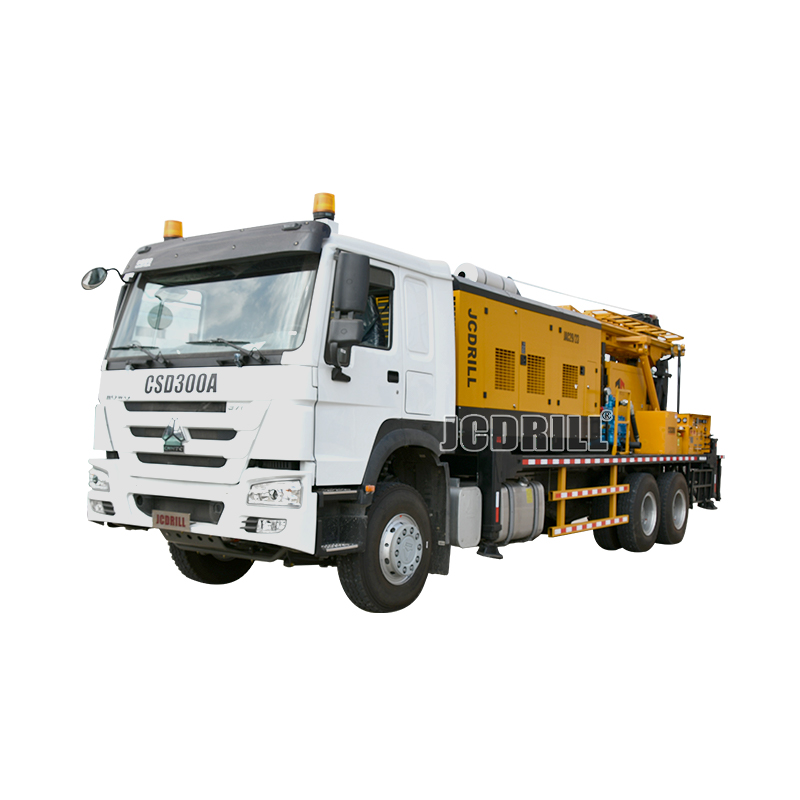
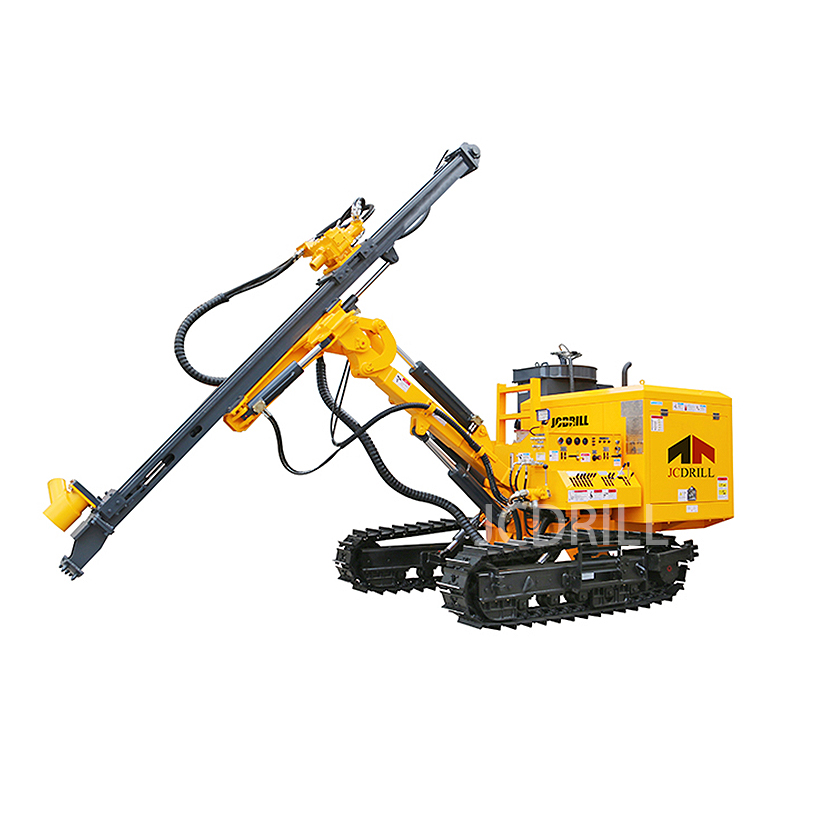
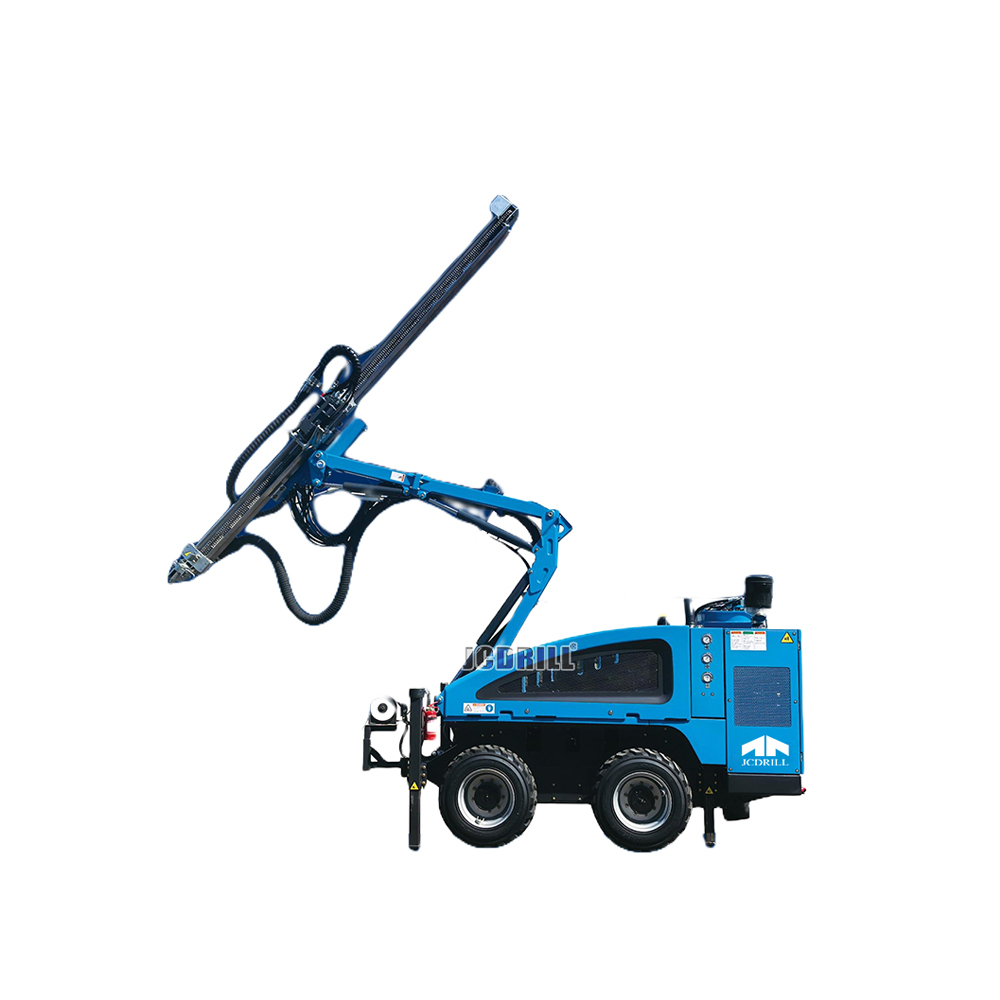
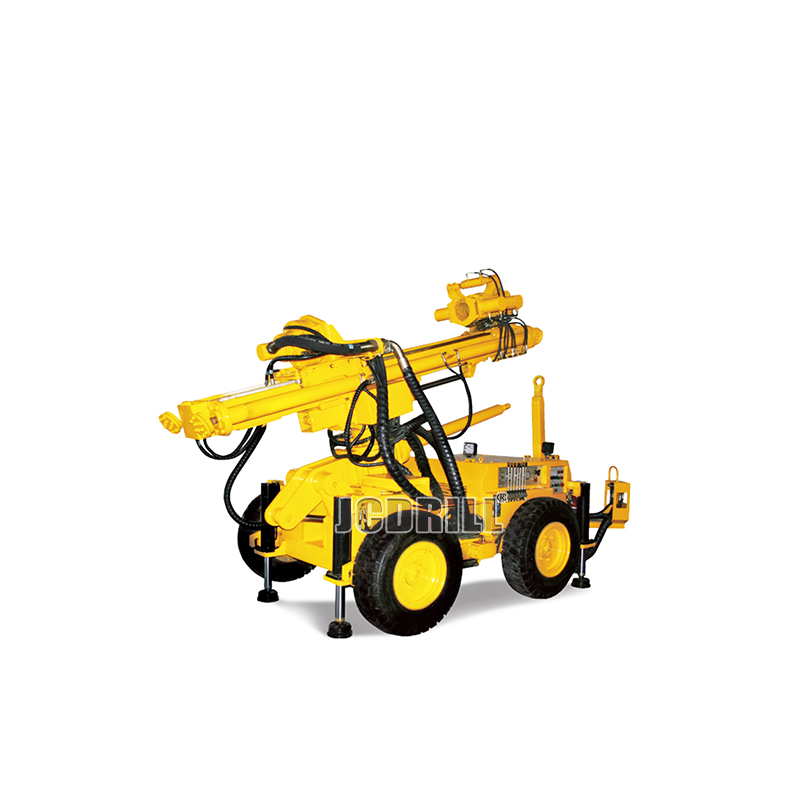
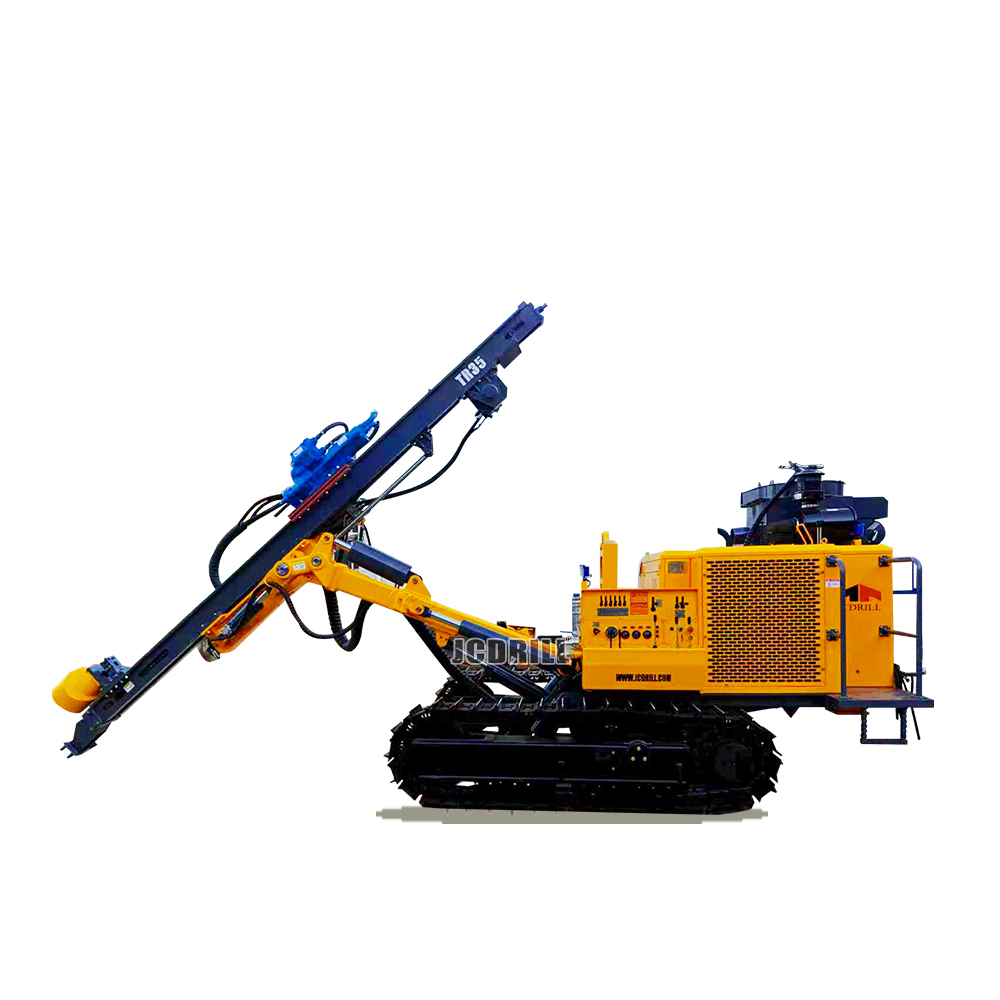
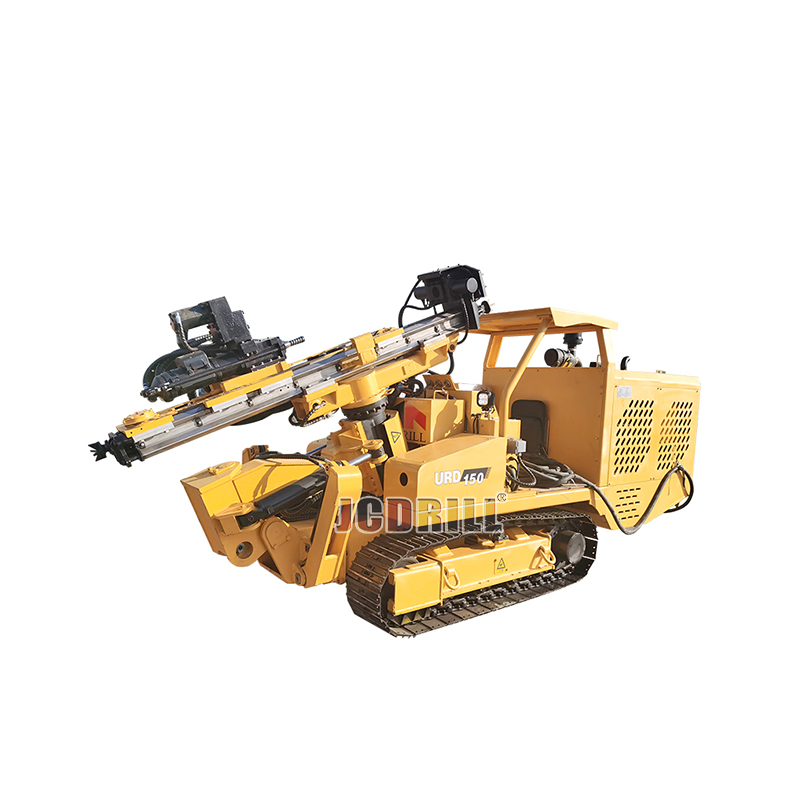
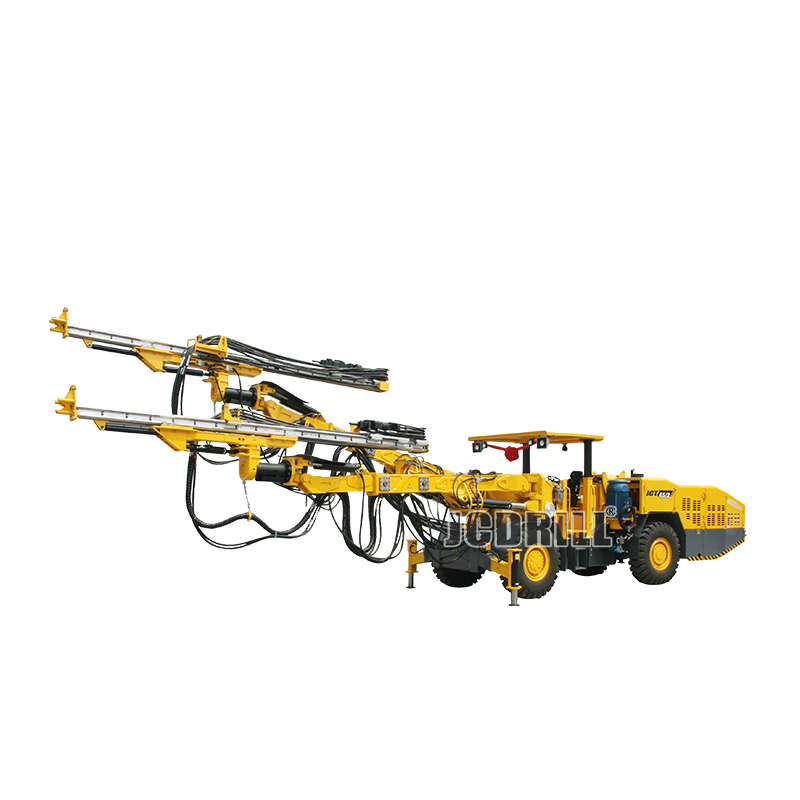
Air core drilling continues to grow in adoption across mineral exploration, geotechnical assessment and environmental investigation projects worldwide, as exploration teams recognise its unique strengths for shallow subsurface sampling in regolith, weathered rock and unconsolidated formations.
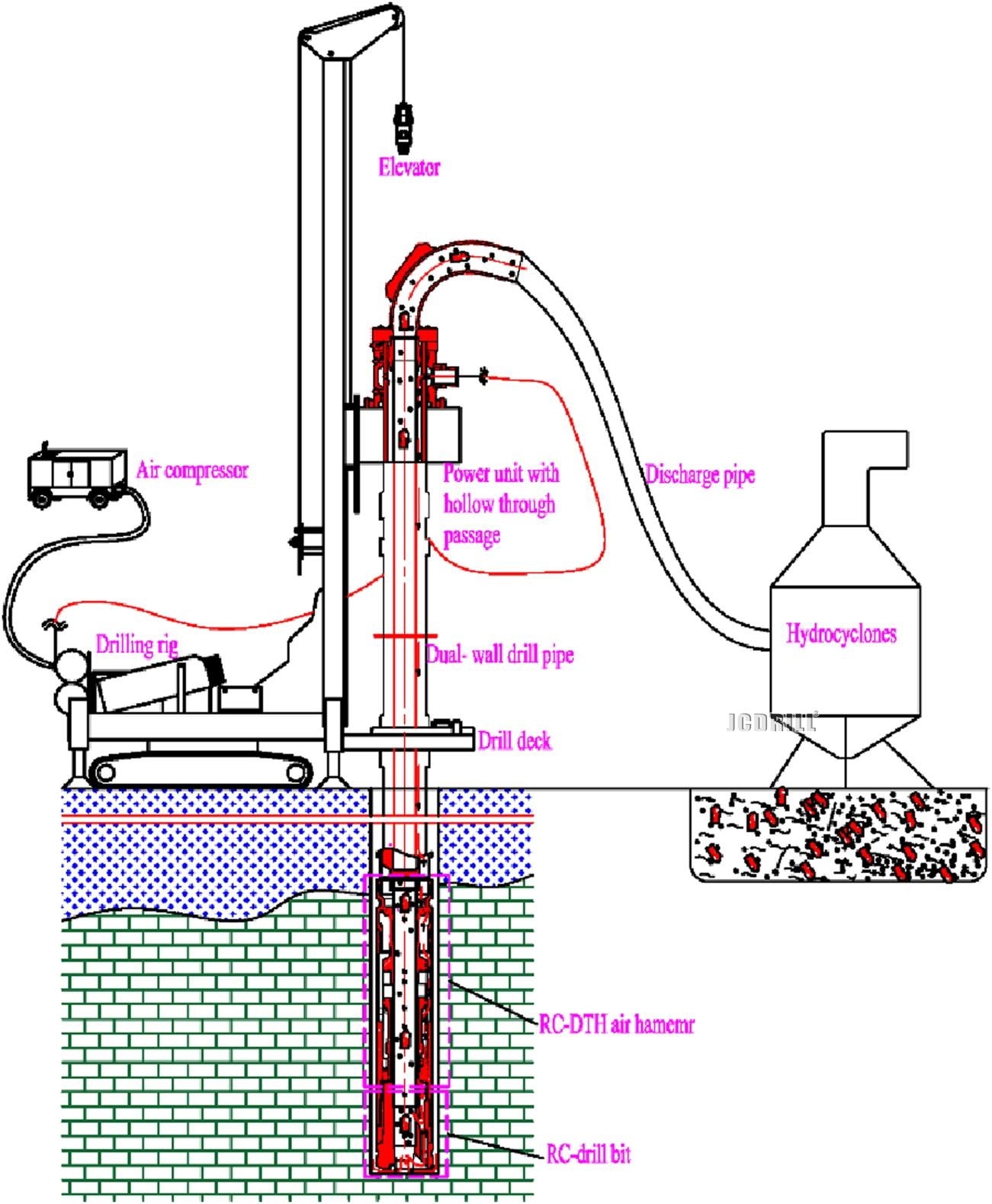
Built around a dual-wall drill string and dedicated air circulation system, the technology delivers geochemically representative cuttings samples with greatly reduced cross-contamination. Compressed air flows down the annular gap between outer and inner rods, lifting rock and soil fragments through the inner tube directly to surface for collection. This enclosed sample return path sets it apart from simpler air rotary drilling methods, preserving the integrity of subsurface materials for laboratory assay and geological logging.
The system is engineered specifically for first-pass reconnaissance campaigns. It performs well in terrains covered by thick saprolite, sand, gravel and clay layers, where outcrop exposure is limited and geological signatures sit beneath overburden. Exploration teams deploy air core drilling to systematically map geochemical anomalies, trace mineralisation trends and define priority zones for subsequent deeper drilling programmes such as reverse circulation or diamond core drilling. Recent exploration programmes across Australia, Africa and South America have leveraged air core drilling to screen extensive tenement areas and outline new gold, copper and rare earth element targets in weathered cover sequences.
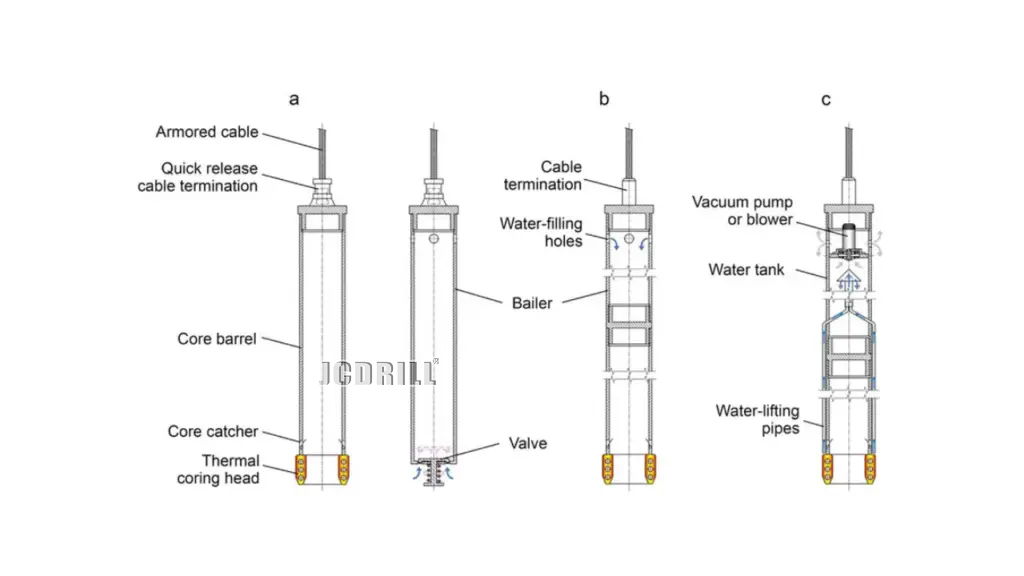
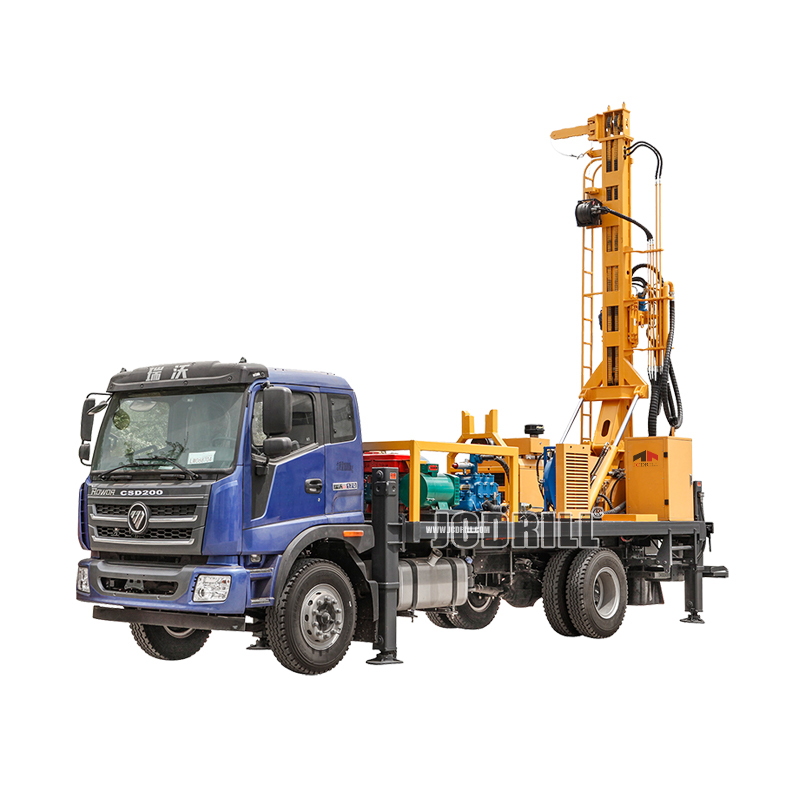
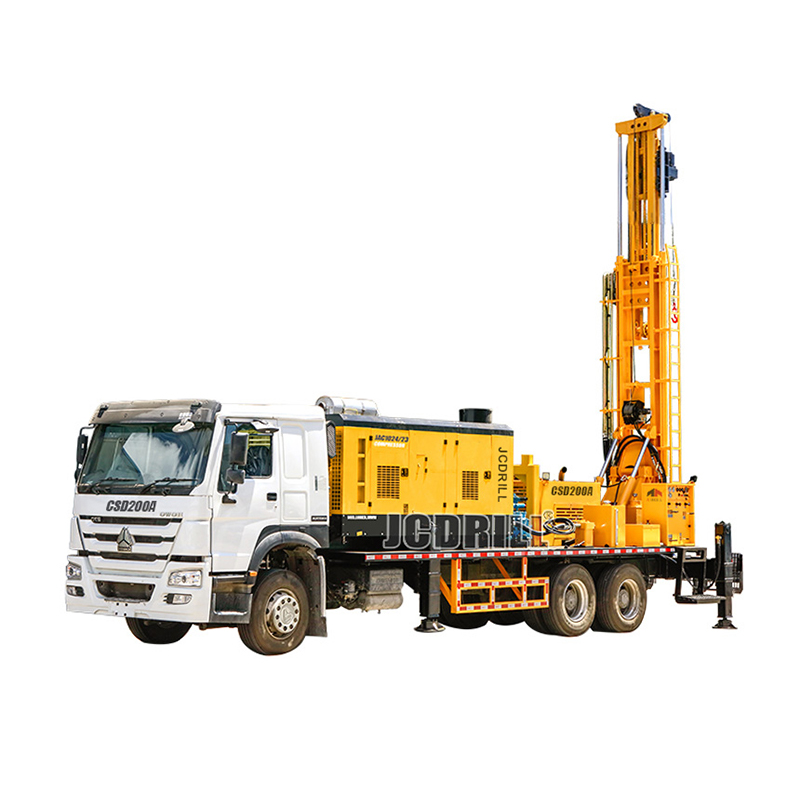
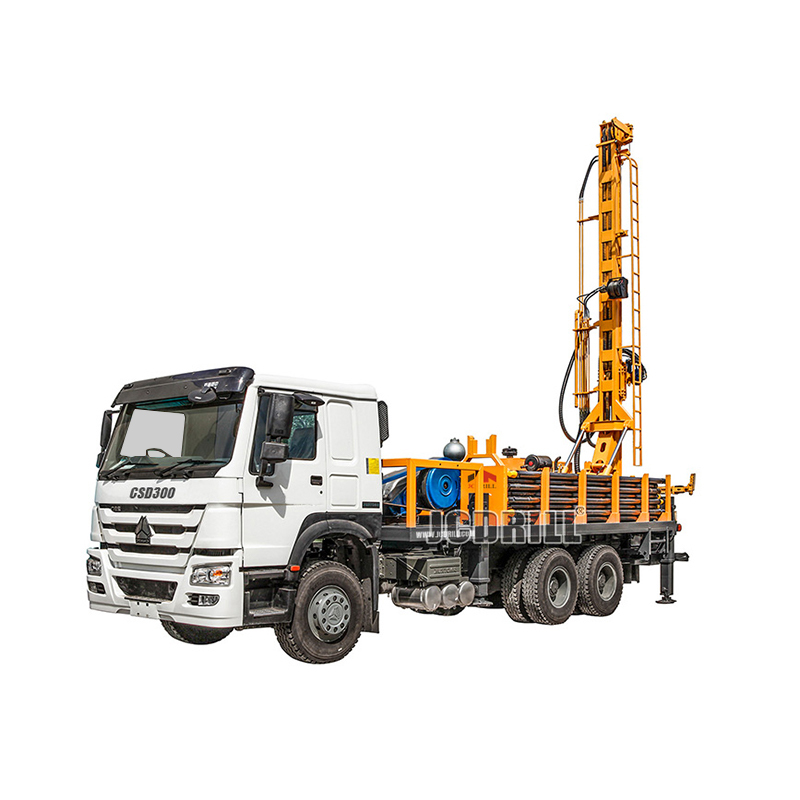
A key operational advantage is its low water requirement. As it relies entirely on compressed air as the flushing medium, air core drilling is highly suited for arid, remote regions where water access is restricted. Compact rig configurations also support access to remote sites with limited infrastructure, minimising surface disturbance and simplifying site mobilisation in environmentally sensitive zones.
Beyond mineral exploration, air core drilling is increasingly specified for geotechnical site characterisation and environmental site assessment. It enables consistent sampling for soil contamination mapping, shallow aquifer profiling and foundation stratigraphy studies, supporting civil engineering and remediation planning work.
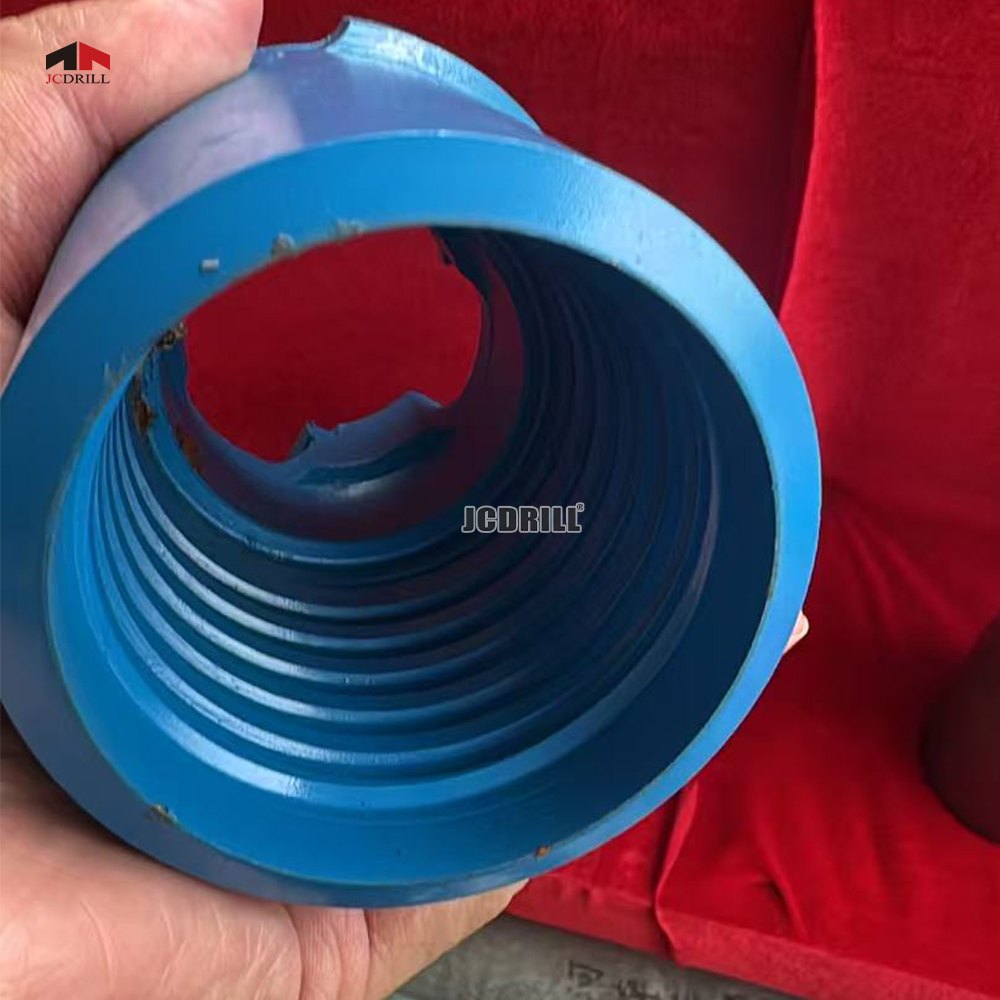
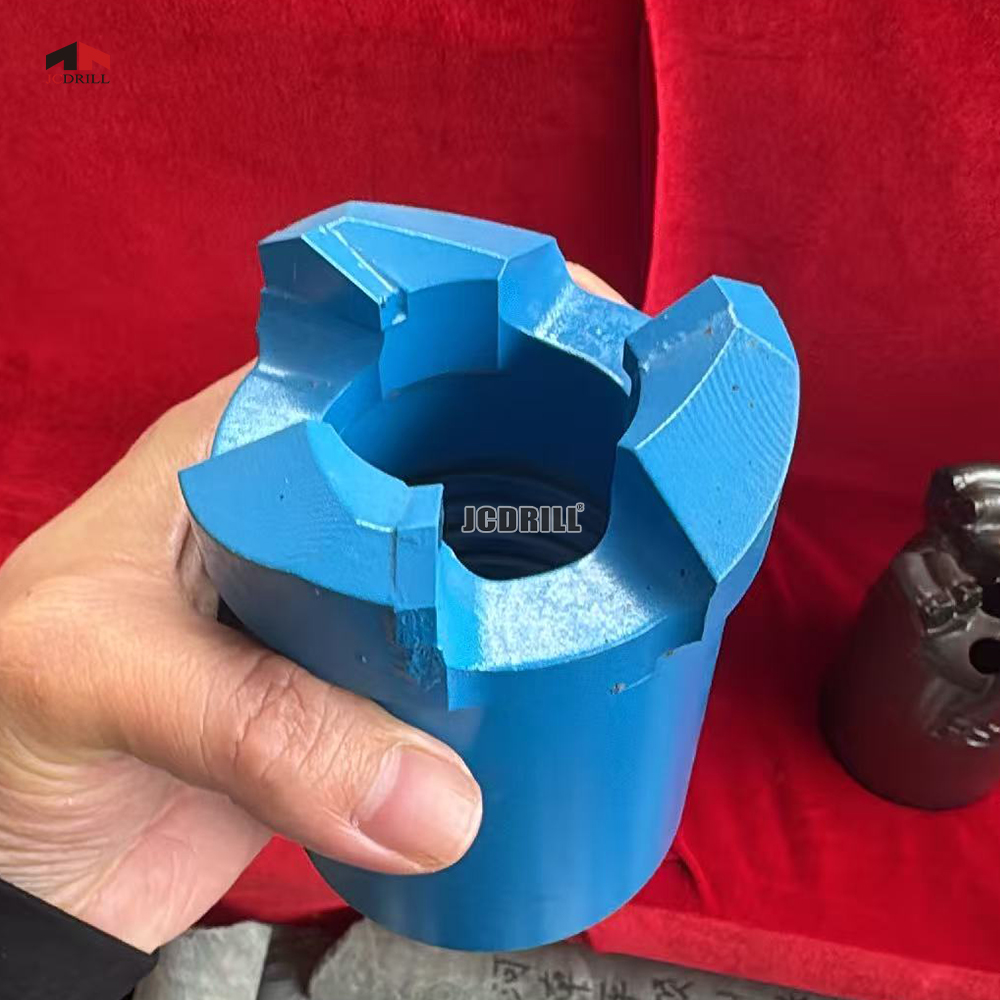
Manufacturers continue to refine air core drilling consumables, including multi-blade tungsten carbide drill bits and precision-machined dual-wall drill rods, to improve penetration stability and sample recovery across variable ground conditions. Optimised bit geometries are tailored to cope with abrasive regolith and interbedded weathered strata, extending tool service life and supporting continuous field operations.
Industry specialists note that air core drilling occupies a distinct role in the modern exploration workflow. It is not designed to penetrate intact hard bedrock or retrieve solid core samples, but it provides an efficient, dependable sampling pathway for early-stage exploration. As global exploration activity accelerates for critical minerals, this proven reconnaissance technique will remain a foundational part of field programmes to unlock new subsurface discoveries.

 |

 Français
 Español
 عربي
 中文