Jan. 05, 26
Drill rigs are sophisticated heavy equipment widely used in mining, construction, oil and geological exploration. Multiple built-in gauges act as core monitoring components to track critical operating parameters, supporting stable, efficient and safe construction. Mastering the functions of these gauges helps operators maintain peak equipment performance and avoid costly unexpected breakdowns. This article introduces all essential gauges equipped on drill rigs and their practical operational value.
Core Functions of Drill Rig Gauges
Gauges deliver real-time data feedback for every subsystem of a drill rig. Operators can adjust working parameters reasonably by monitoring pressure, temperature and other key indexes to guarantee construction efficiency and on-site safety. Ignoring abnormal gauge values will lead to component damage, reduced productivity and potential safety hazards.
Core Advantages of Monitoring Gauge Data:
Spot hidden equipment faults at an early stage to prevent major failures
Adjust working parameters to maximize overall drilling efficiency
Keep all operations compliant with industry safety specifications
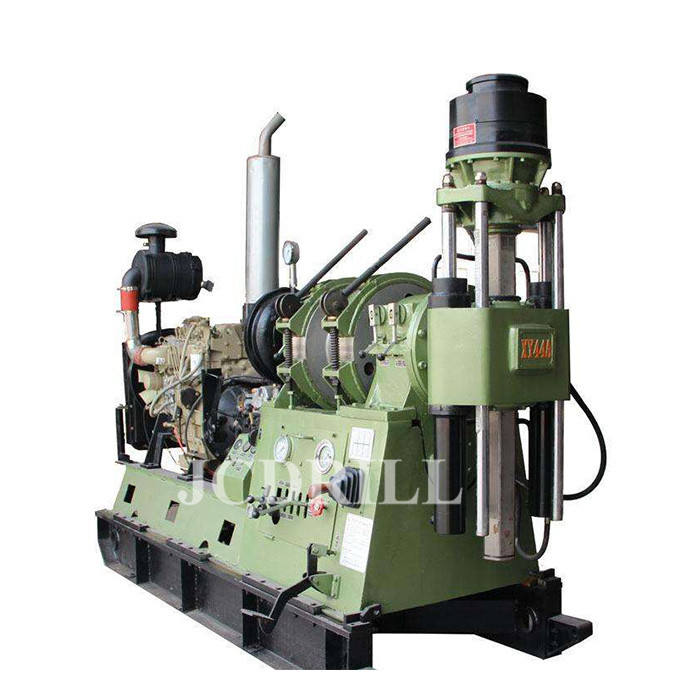
XY-42A Geological Core Drilling Rig
Standard Methods to Read & Analyze Gauge Data
Correctly reading and judging gauge values is the foundation of safe, high-efficiency construction. Each gauge adopts pointer or digital display to distinguish real-time data from the factory-specified normal working interval.
Key Judgment Tips:
Be familiar with the standard normal range of each gauge based on equipment manual
Pay close attention to sudden sharp value fluctuations, which usually signal hidden faults
Carry out regular gauge calibration to guarantee accurate measurement results
Daily Maintenance for Drill Rig Gauges
Regular maintenance ensures long-term accurate measurement and stable service life of gauges. Follow these maintenance standards:
Periodic Calibration
Gauges will gradually lose precision after long working hours; regular calibration ensures reliable monitoring data.
Damage Inspection & Timely Replacement
Check gauge surfaces for cracks, internal leakage and aging signs; replace defective gauges immediately once found.
Surface Cleaning
Mud, dust and debris will block the dial and block reading; keep gauge panels clean for clear observation.
Frequently Asked Questions About Drill Rig Gauges
Q1: What actions should be taken if gauges display abnormal data?
A: Stop drilling work right away, fully check corresponding subsystems to locate the root cause, and eliminate faults before restarting operation.
Q2: How often do gauges need calibration?
A: Calibration cycles refer to official equipment specifications and actual construction intensity. General standard: annual calibration or full calibration after heavy long-term operation.
Q3: Can operators replace broken gauges by themselves?
A: Simple gauge replacement is operable, but professional technicians are recommended for installation and secondary calibration to guarantee measurement accuracy.
6. Conclusion
All gauges equipped on drill rigs are essential monitoring instruments for safety control and efficiency improvement. Operators who master gauge functions, stick to regular maintenance and respond promptly to abnormal readings can maximize drilling efficiency and minimize on-site risks. Proper care of these measuring tools not only protects the whole drill rig from premature damage, but also creates stable, profitable drilling projects for every contractor.

 |
| 
 Français
  Español
  عربي
عربي  中文
中文