Jan. 05, 26
Mineral exploration drilling is a sophisticated workflow requiring thorough planning, geological evaluation and modern equipment to discover viable mineral deposits. Drilling rigs do not drill at random positions. Instead, geological surveys, mapping and multiple exploration technologies are adopted to screen and verify drilling points. Below explains how mineral exploration drilling rigs determine target drill sites.
2. Geophysical Exploration Techniques
Geophysical prospecting detects subsurface mineral resources with limited surface disturbance by measuring physical properties of crust such as magnetism, gravity and electrical conductivity. Common technologies:
Magnetic Surveys: Detect crust magnetic anomalies to locate iron‑nickel and other magnetic mineral‑bearing rock formations via magnetometer readings.
Gravity Surveys: Capture tiny gravity differences caused by subsurface rock density variation to trace ore bodies and related geological structures.
Seismic Surveys: Emit seismic waves underground and analyze reflected signals to reconstruct subsurface stratigraphic images for potential mineral‑bearing layers.
Electrical Conductivity & Resistivity Surveys: Inject electric current underground and measure resistivity responses to distinguish special strata with conductive or resistive mineral features.
3. Exploratory Drilling
After high‑potential target areas are screened by surveys, exploratory drilling is implemented to verify mineral existence and ore grade. Small‑diameter boreholes are drilled to retrieve geological samples:
Core Sampling: Recover intact cylindrical rock core samples. Geologists evaluate mineral content, ore‑body density and structural characteristics at different depths.
Reverse Circulation (RC) Drilling: Collect rock cuttings rapidly from target depths. Although less detailed than core sampling, it delivers high‑speed, cost‑effective preliminary resource assessment.
4. Economic Viability Evaluation of Mineral Deposits
Once mineral occurrences are confirmed, project economic feasibility must be assessed. Engineers estimate deposit scale and ore grade, and evaluate access conditions, mineral processing expenses and market price trends. Only economically viable deposits will move into formal mining exploitation.
5. FAQs About Mineral Exploration and Drilling Rigs
Q: How reliable are mineral‑locating exploration methods?
A: Geological‑geophysical surveys provide important prospecting clues but cannot guarantee exact ore positions. Exploratory drilling is essential to validate results and calculate real mineral reserves.
Q: What maximum depth can mineral exploration drilling rigs achieve?
A: Drilling depth depends on equipment model and local geology. Some exploration rigs can reach thousands of meters depth, while most prospecting boreholes are relatively shallow.
Q: Will exploratory drilling bring environmental impacts?
A: Compared with large‑scale mining, exploration drilling creates minor environmental influence. Operators comply with environmental‑protection regulations and conduct site restoration after exploration activities finish.
Modern mineral exploration integrates geological theories, advanced geophysical instruments and exploratory drilling equipment. This complete set of workflows improves exploration efficiency while lowering environmental impact and investment risk.
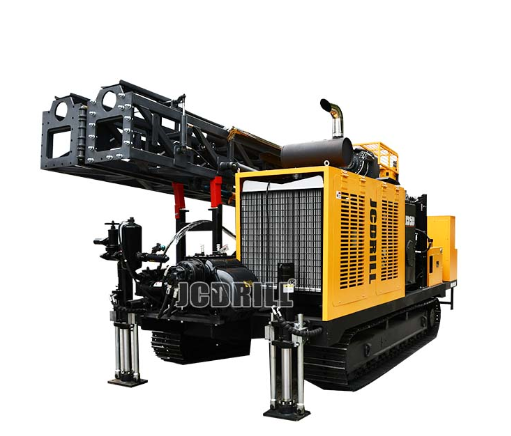
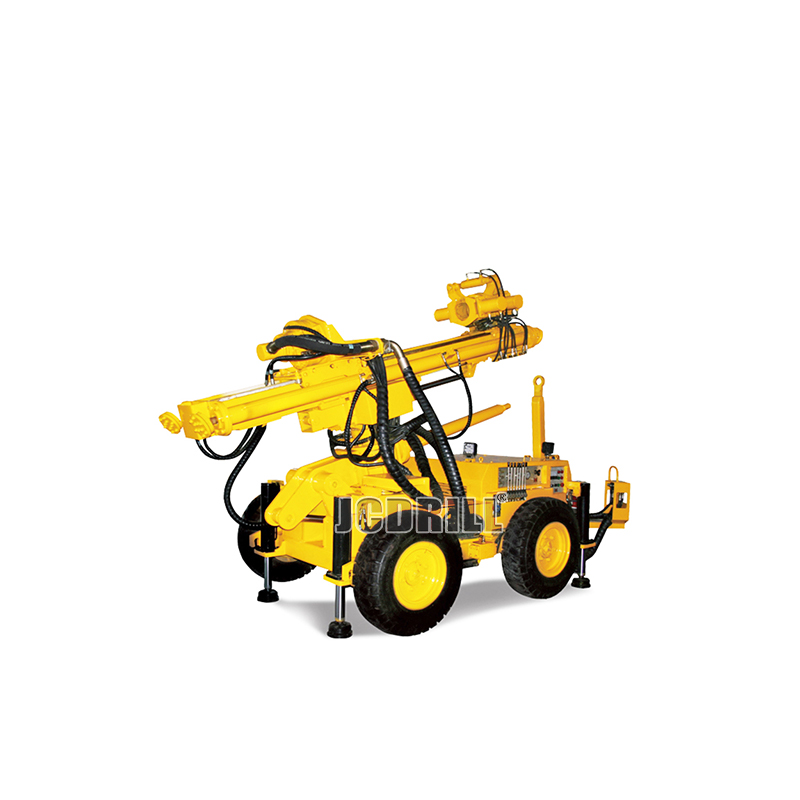
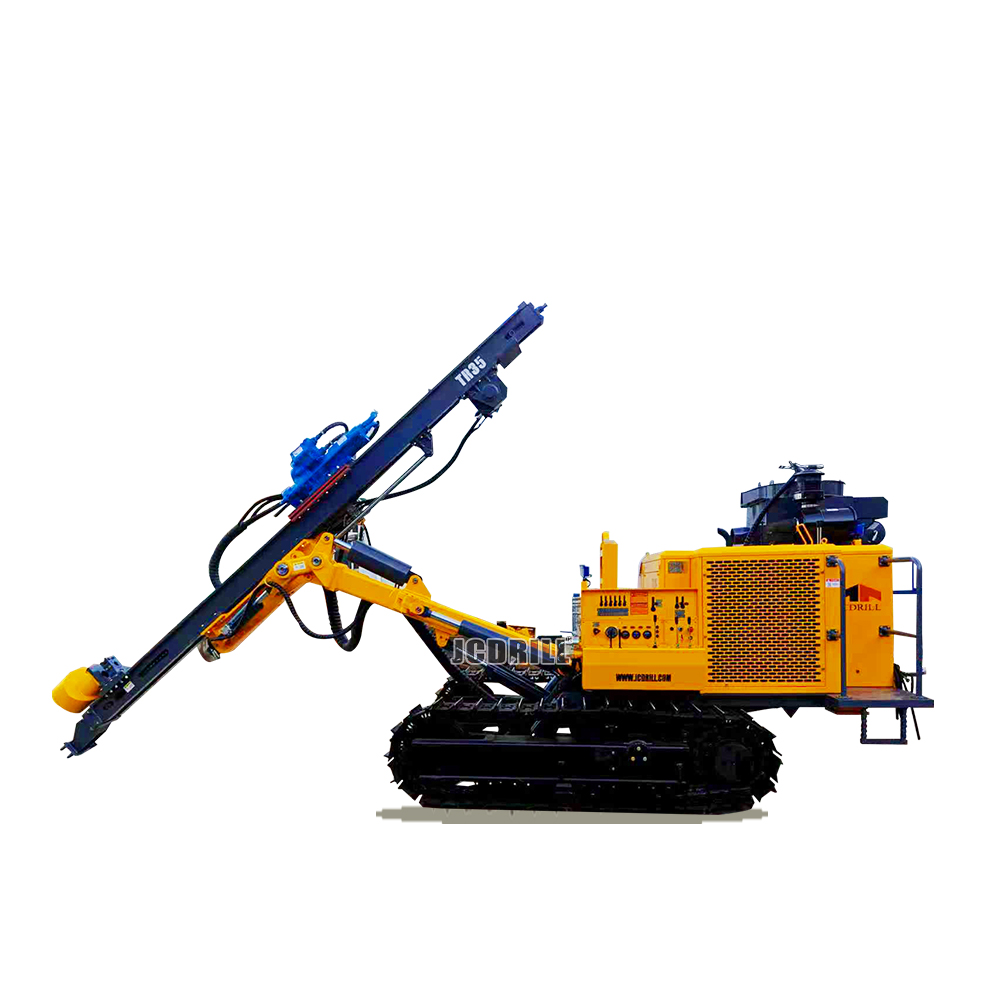
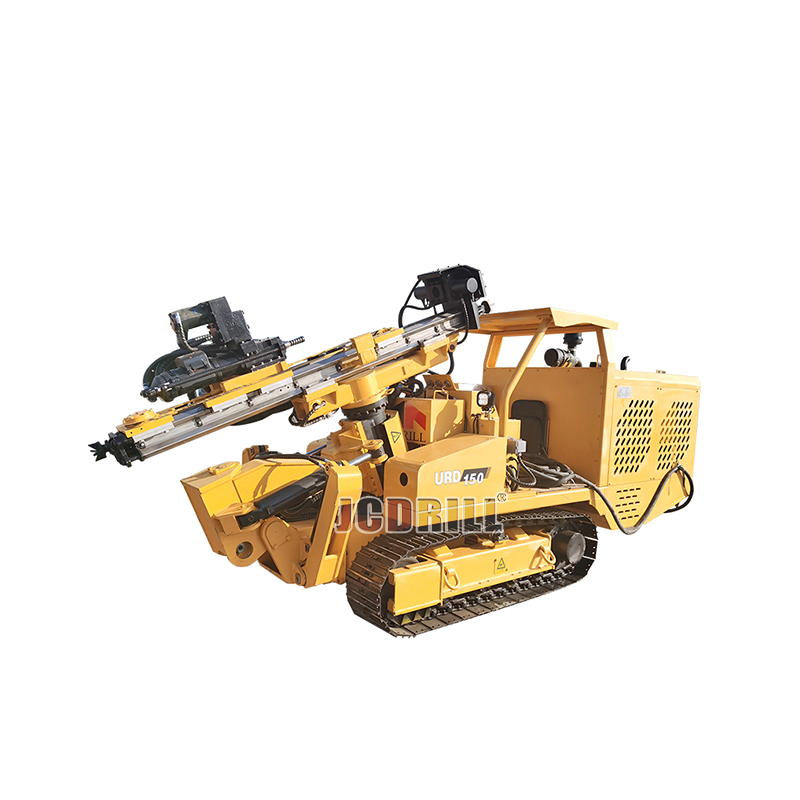
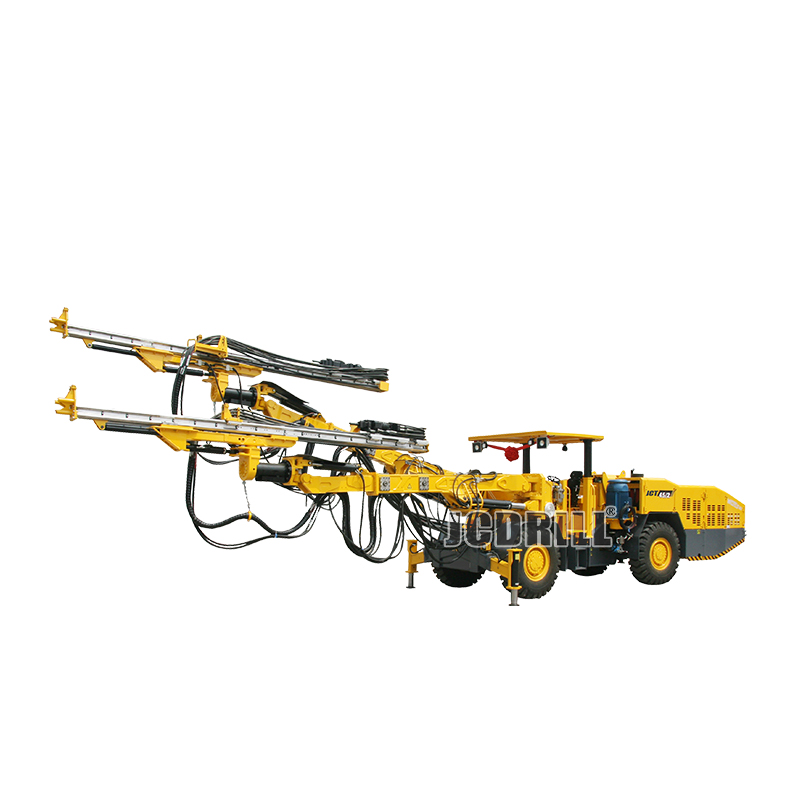
The JCD1500 mineral exploration drilling rig adapts to unconsolidated formations and realizes mud‑powered cuttings discharge, performing reliably under complex geological conditions. JCDRILL supplies full‑series drilling rigs and relevant technical services. If you need equipment suggestions for your exploration project, feel free to contact us for a free project evaluation. Submit the web contact form or send emails to info@jcdrill.com.

Previous: Shipping CSD300 4X2 Truck-Mounted Water Well Drilling Rig to Africa by Sea
Next: What You Need to Know About the Gauges on Your Drill Rig

 |
| 
 Français
  Español
  عربي
عربي  中文
中文