Jan. 07, 22
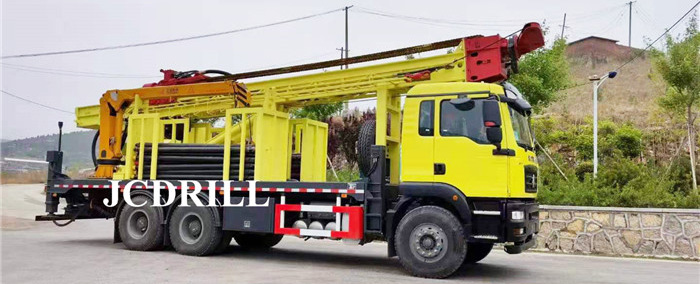
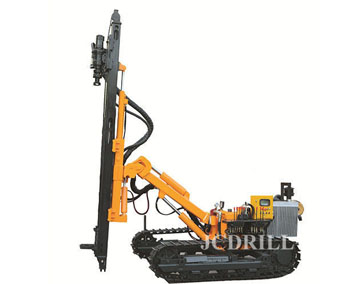
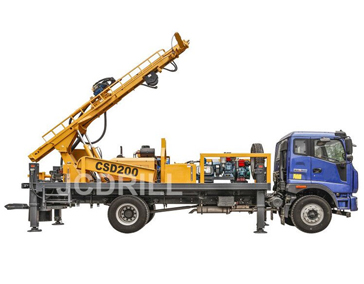
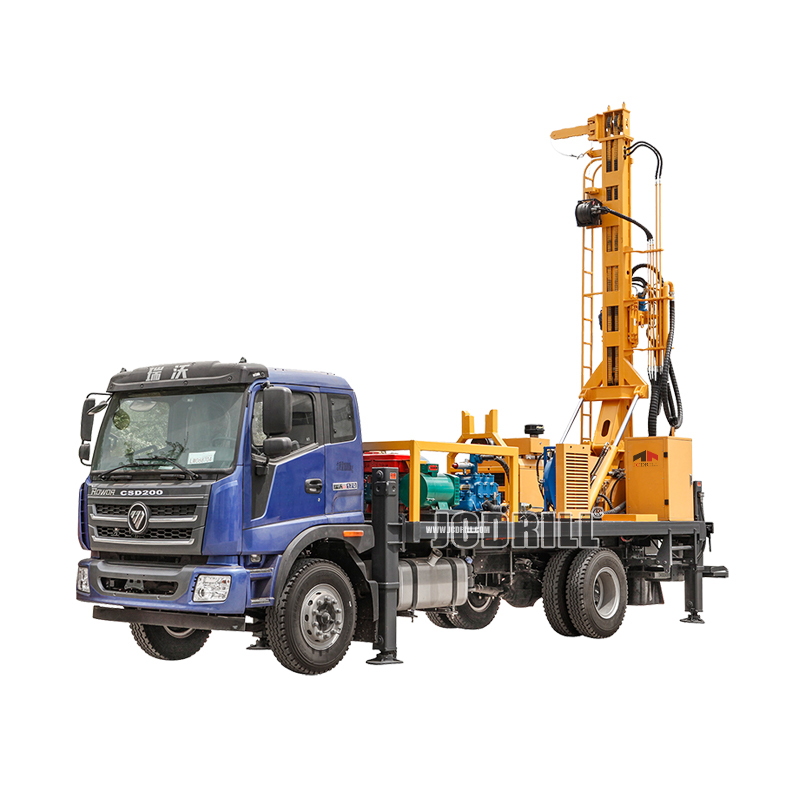
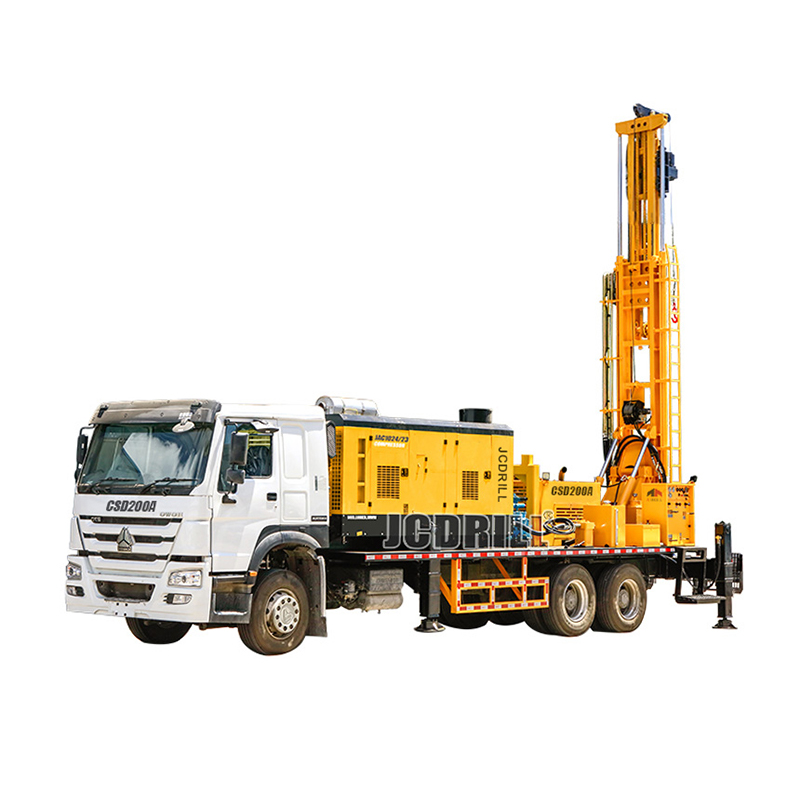
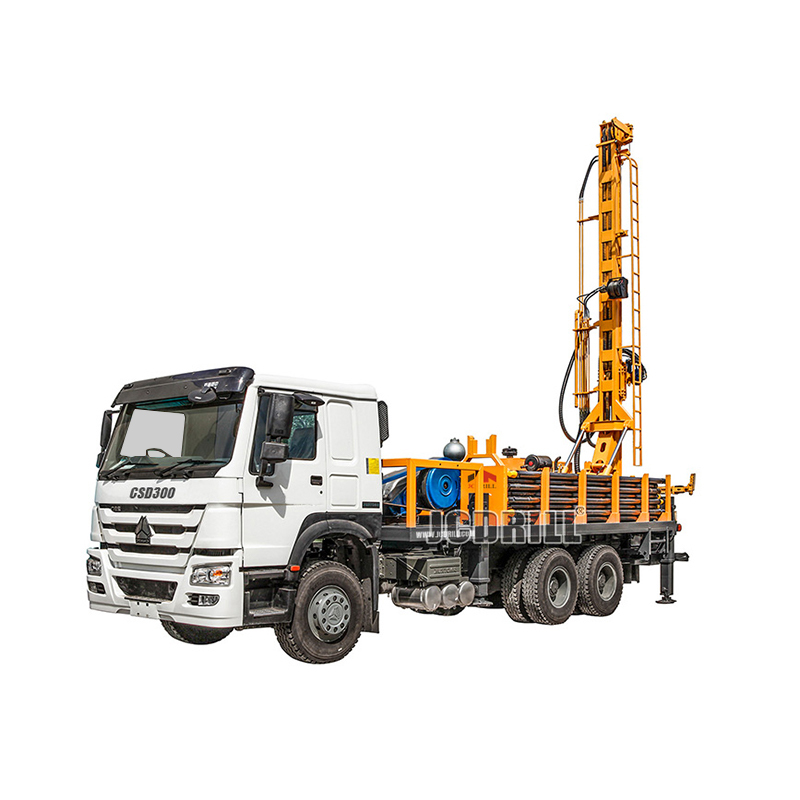
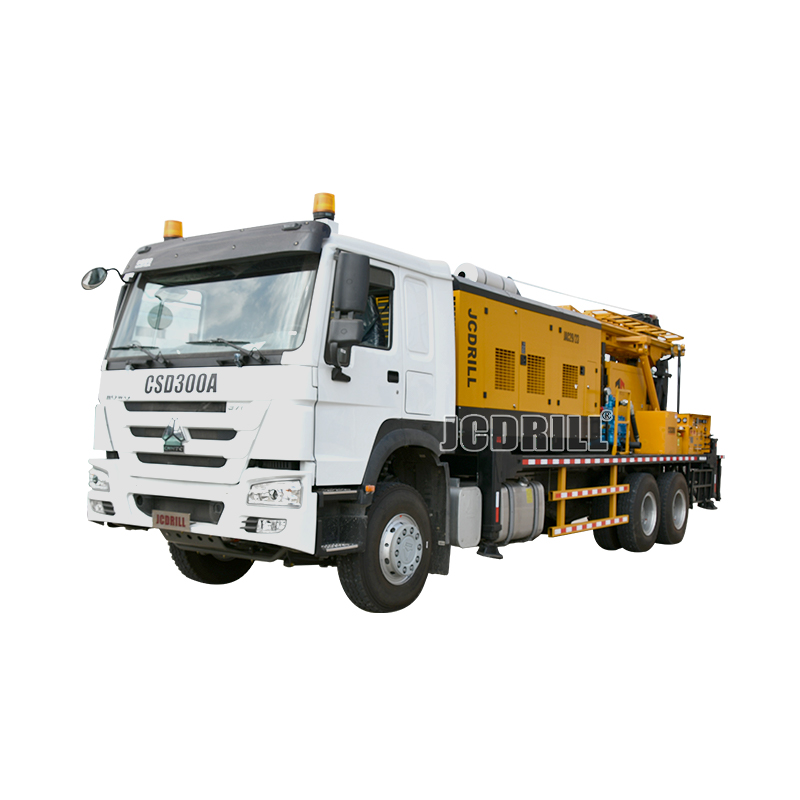
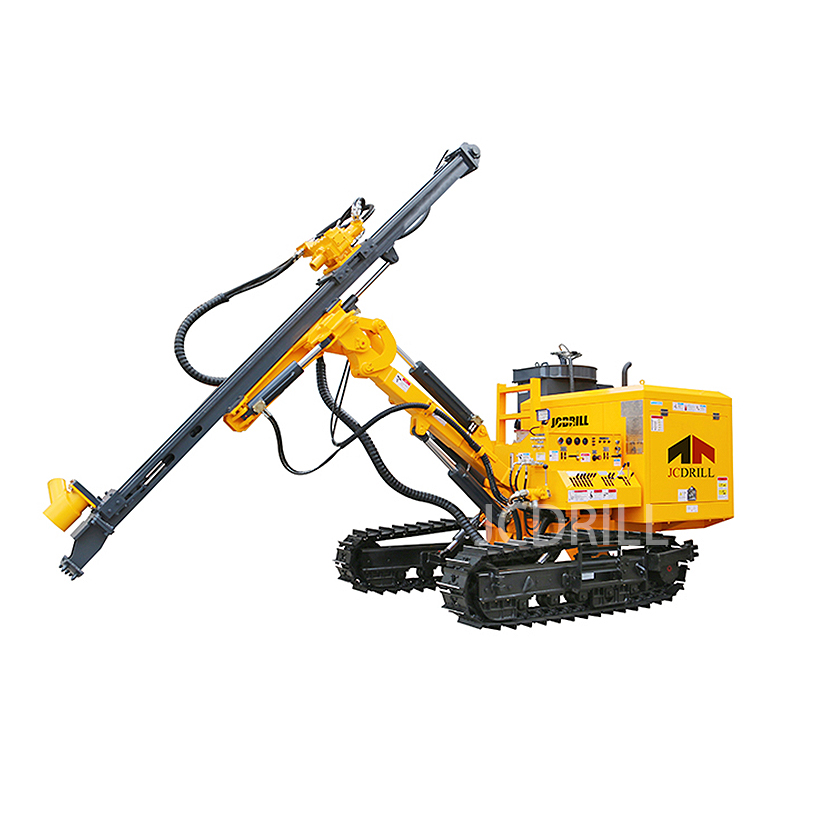
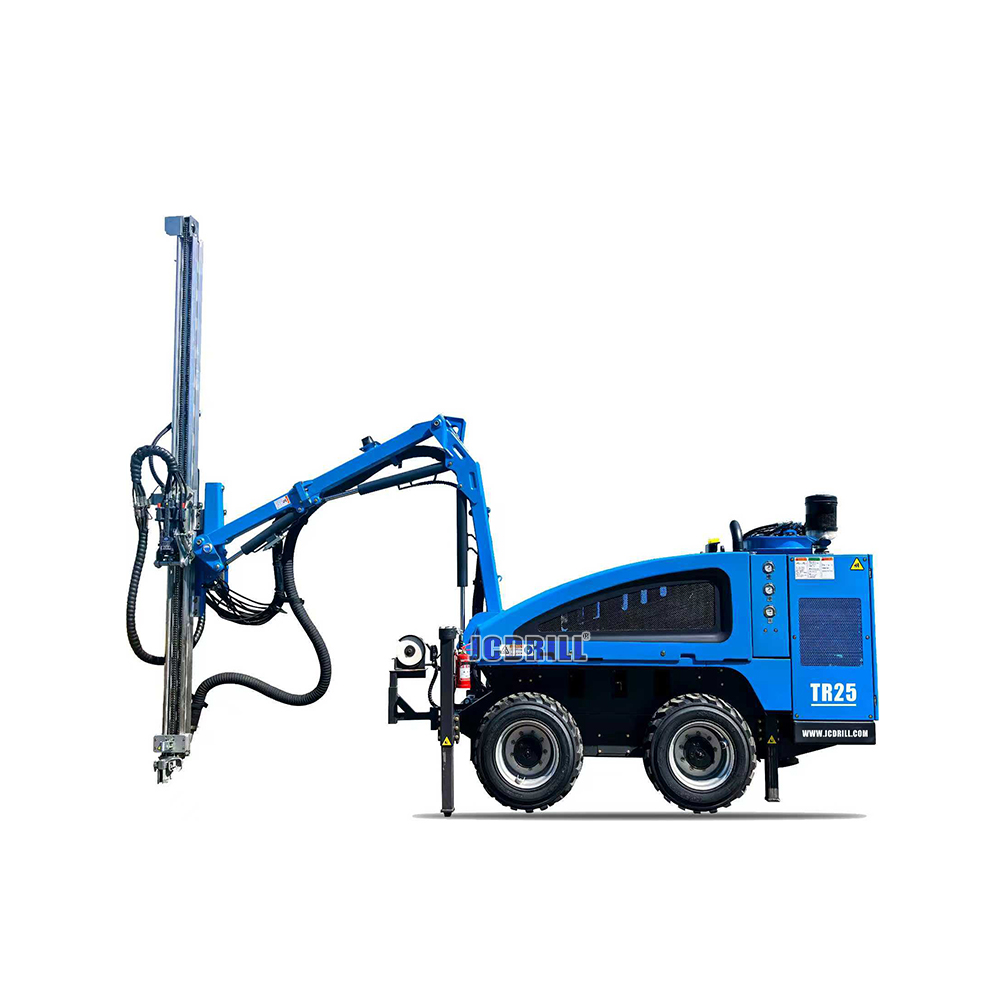
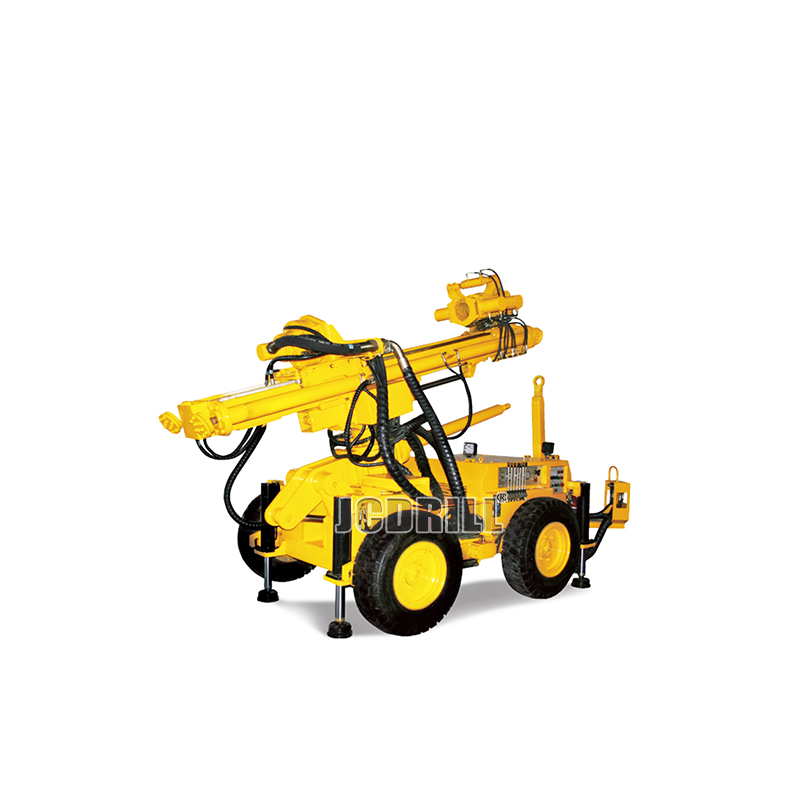
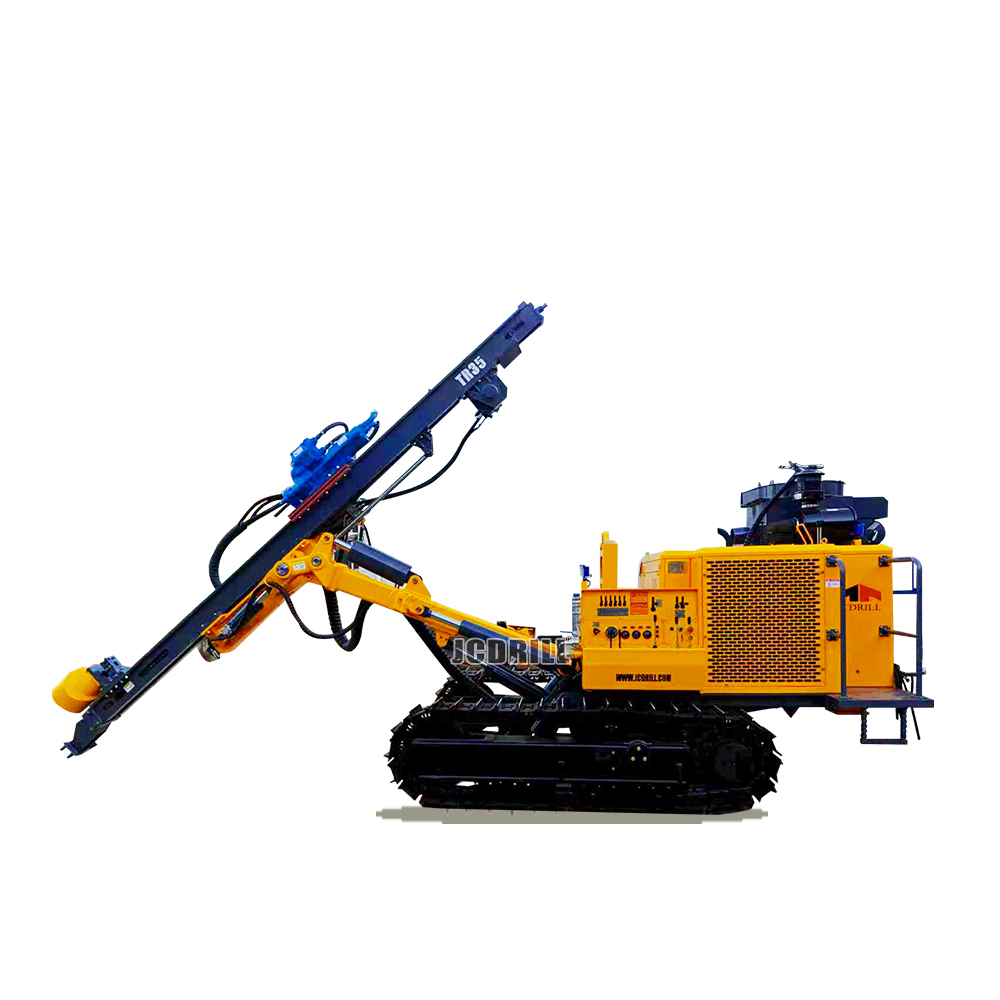
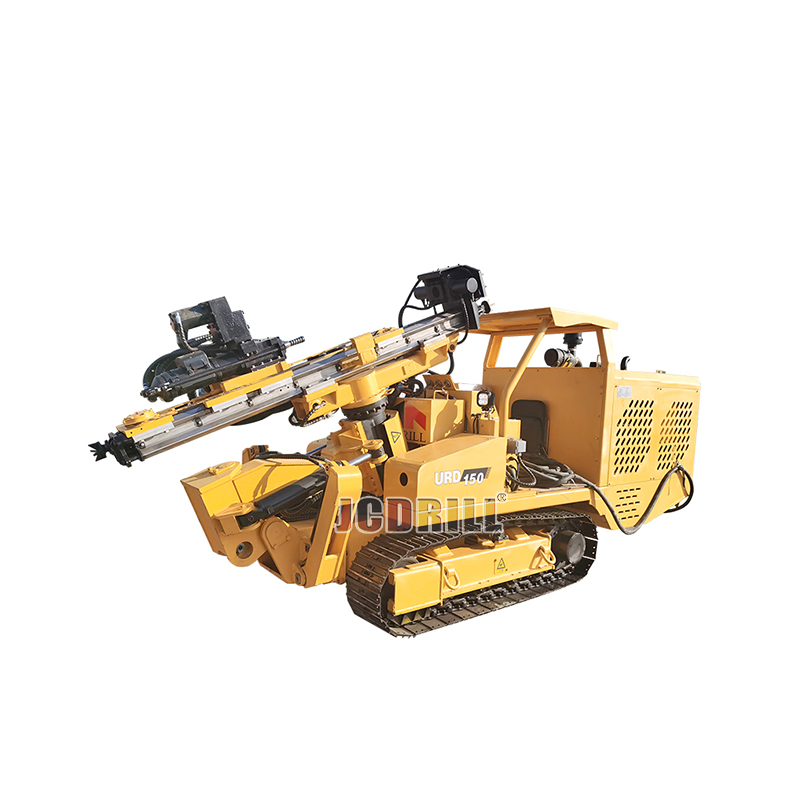
The biggest advantage of land-based rigs is outstanding mobility. Their derrick structures can be disassembled and relocated rapidly for new borehole projects, and modular component design enables quick field assembly. Offshore drilling rigs also inherit the mobility advantage of land rigs with extra marine-adapted features.
Fixed Platform Rigs
Fixed platform rigs are the most widely used offshore drilling equipment. As the name suggests, they are installed on permanent marine foundation structures. Though not permanently fixed in most cases, they may be retained on platforms to meet future drilling demands. A complete set includes power generation units, living quarters, drilling equipment and safety survival gear; some simplified types take power supply from platform generators instead of carrying independent power plants.
Jack-up rigs
Jack-up rigs feature buoyant floating hulls supported by multiple liftable legs. The floating barge can be towed to target locations, then legs are lowered to rest on the seabed to lift the whole platform above water level. Equipped with 3–8 support legs, self-elevating jack-up rigs are designed for shallow water operations within 120 meters depth.
Submersible rig
Submersible rigs serve medium-deep marine drilling tasks and can be towed to work sites. Large buoyancy pontoons support the whole platform for transit; during operation, the upper working deck is lifted above the water surface to avoid wave interference.
Jacknife
Jacknife rigs are land drilling units fitted with foldable masts adjustable for different drilling depths. The mast assembly can be fully pinned and assembled on flat ground, then hoisted into vertical position via auxiliary lifting equipment.
Portable Mast
Portable mast land rigs are suitable for moderate-depth boreholes, transported to construction sites via wheeled trucks. The whole mast can be hoisted vertically to the required working height quickly.
If you need further detailed introduction to all types of drilling rigs, please contact us to get professional technical materials and customized quotations.
Previous: Why Preventive Maintenance for Drilling Equipment?
Next: Factors to Consider When Choosing Subsurface Drilling Equipment

 |

 Français
 Español
 عربي
 中文