Dec. 15, 21
Underground diamond drilling is similar to surface drilling, but there are still some differences to consider. These differences come into play when selecting drilling equipment.
Drilling depth
In underground mining projects, borehole depths are generally moderate, for example around 200 meters, rather than 1000 meters. This allows drill teams to adopt conventional drilling methods instead of cable‑tool drilling. The fine‑cut design of coring bits for conventional drilling helps improve overall drilling speed.
Drill hole orientation
Underground drilling covers downward, upward and inclined borehole directions. Different hole orientations may require core bits with different matrix formulas. In certain drilling scenarios you need to switch bit matrices: for instance, downward drilling carries heavy drill‑pipe weight acting on the bit; for upward drilling, there is no rod weight, so softer‑matrix bits of higher series shall be selected for compensation.
Low Power Drilling Rigs
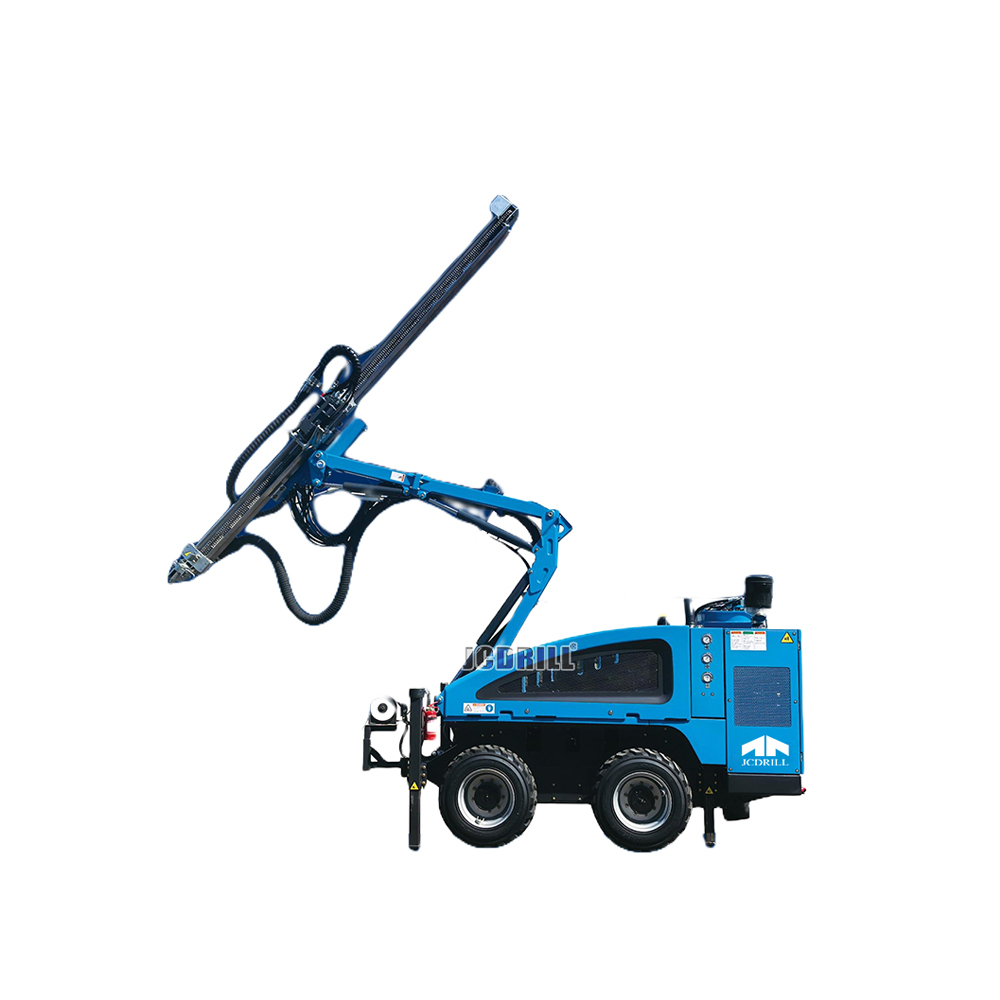
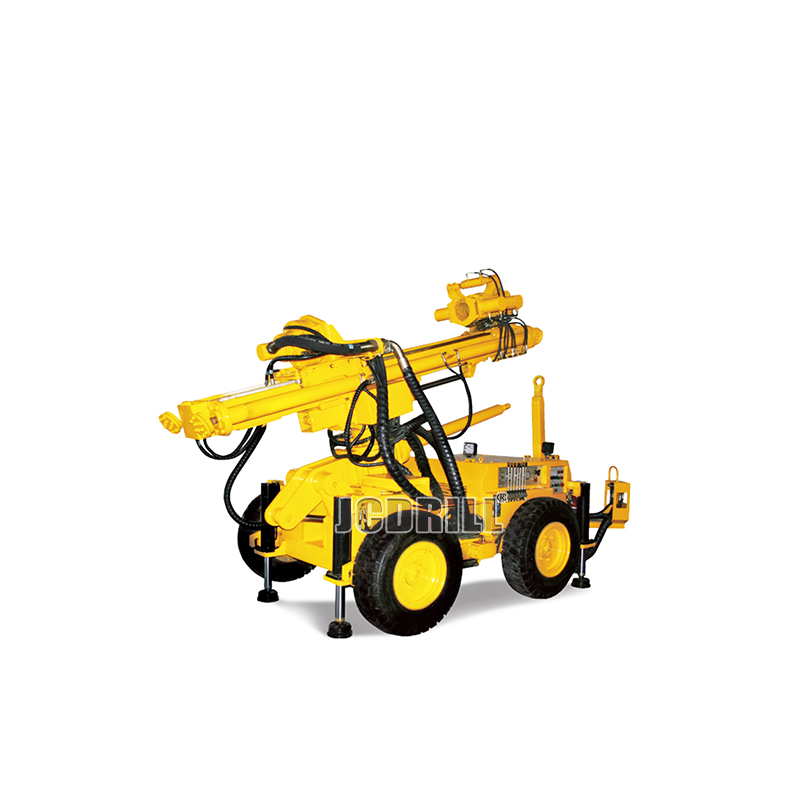
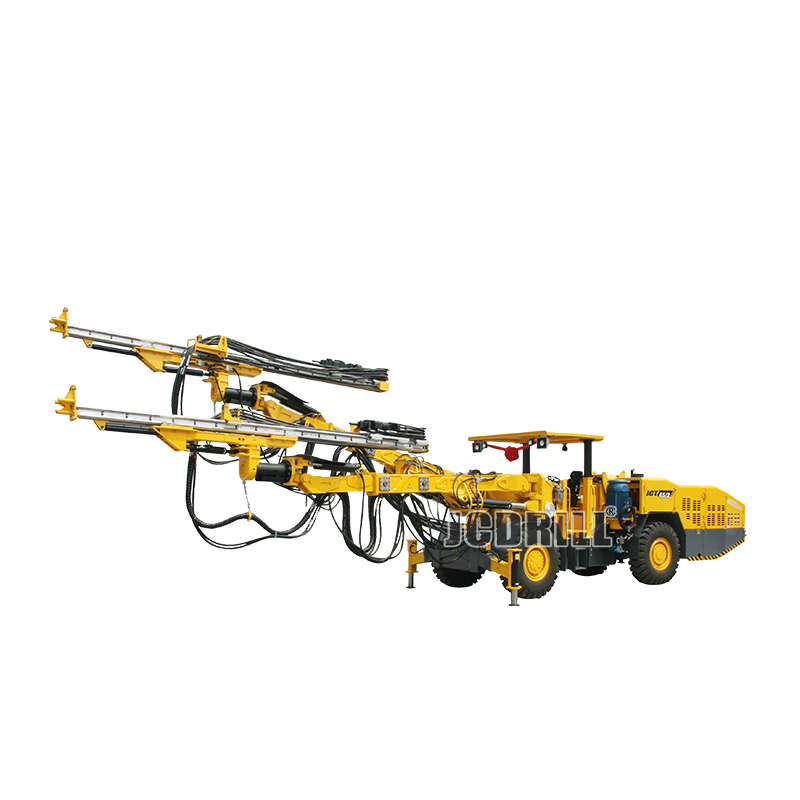
Underground working space is limited, so underground drill rigs are usually compact and of lower power. When drilling upward with low‑power units, coring bits with softer matrices are preferred. Softer matrices expose diamond grains easily, keeping bits sharp for effective rock cutting and acceptable penetration even under insufficient feed‑pressure output.
Conclusion
Selecting proper drilling equipment is a key decision that directly determines drilling performance. Besides ground conditions, underground diamond drilling requires evaluation of multiple special‑site factors. Our technical team can share practical underground‑drilling tips. For example, prefer used coring bits for pilot underground boreholes; pilot hole drilling may damage bit surfaces, so new bits should be reserved for formal drilling sections.
If you want to know more information about types of drilling rigs, welcome to contact us today or request a quote.
Previous: Commonly Used Drilling Rigs

 |

 Français
 Español
 عربي
 中文